NEP 2020 FLN: Boosting School Readiness with Montessori
For Indian parents, the journey to preparing a child for school is often filled with a mix of excitement and anxiety. Now, with the National Education Policy (NEP) 2020 placing a strong emphasis on Foundational Literacy and Numeracy (FLN), understanding its role in school readiness is more crucial than ever. The NEP 2020 Foundational Literacy Numeracy focus aims to equip every child with robust early reading, writing, and basic math skills from preschool, shifting away from rote learning. This foundational approach aligns perfectly with Montessori principles, which inherently foster these skills through hands-on, self-directed learning, preparing Indian children not just academically but also holistically for primary school.
Many parents in Bengaluru and across India wonder how this new focus translates to their child's daily learning. The good news is that the NEP's 'Foundations First' approach champions the very kind of holistic development that Montessori education has advocated for over a century. It's about building genuine understanding and capability, not just memorisation.
What is Foundational Literacy and Numeracy (FLN)?
Foundational Literacy and Numeracy (FLN) refers to a child's ability to read with understanding, write effectively, and perform basic mathematical operations by the end of Grade 3. This matters because a strong FLN base is crucial for all future learning, impacting a child's entire educational trajectory. Indian parents can support FLN by integrating rich language and number experiences into daily life, fostering natural curiosity.
NEP 2020's 'Foundations First' Vision for Indian Children
The NEP 2020 outlines a transformative vision for early childhood education in India, making the Foundational Stage (ages 3-8) a critical period. This policy mandates that all children must achieve foundational literacy and numeracy by Grade 3, moving away from the past pressure of early formal academics. This shift helps reduce the overwhelming stress many Indian parents feel regarding LKG and UKG admissions, allowing children to develop at their own pace.
Understanding FLN School Readiness India
For school readiness in India, FLN means a child entering primary school isn't just familiar with letters and numbers, but understands their meaning and can apply them. Research by organisations like UNICEF underscores the profound impact of high-quality early learning, stating that the brain develops most rapidly in the early years. This period is vital for building cognitive, social, emotional, and physical skills that directly contribute to FLN mastery.
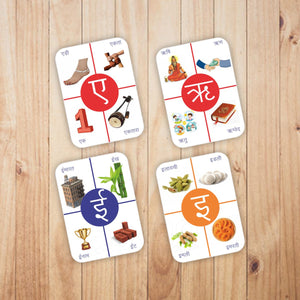
The NEP's emphasis on learning in one's mother tongue or local language during the foundational stage also strengthens FLN. Imagine a child like Rohan, a 4-year-old in a joint family in Chennai, learning to count in Tamil by helping his dadi count idlis for breakfast. This culturally resonant, everyday application makes learning concrete and deeply meaningful, precisely what NEP aims for.
The Montessori Advantage: Nurturing FLN Naturally
Maria Montessori's philosophy, developed over a century ago, inherently aligns with the 'Foundations First' approach of NEP 2020. Montessori education prepares children for FLN by focusing on concrete, sensorial experiences before moving to abstract concepts. This method respects the child's natural developmental timeline and sensitive periods for language and order, making learning joyful and organic.
Montessori FLN Activities for Home
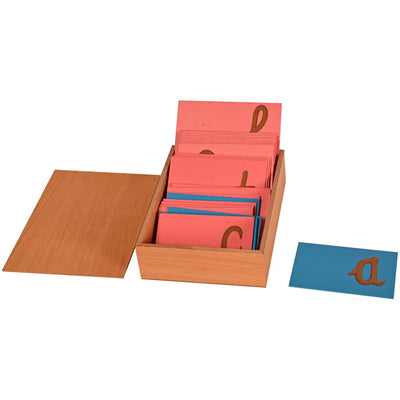
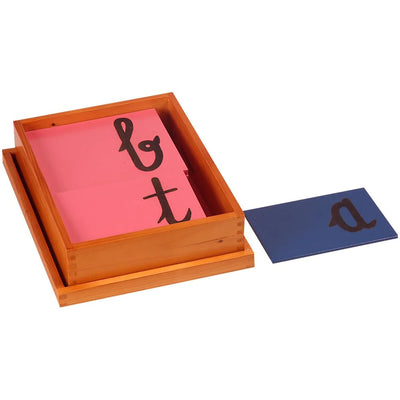
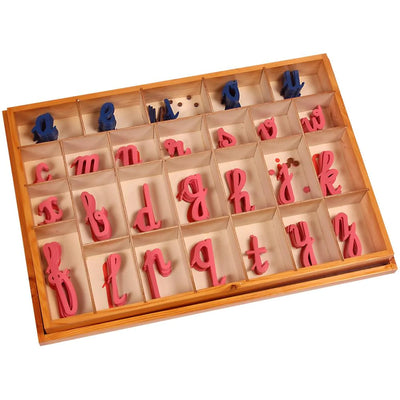
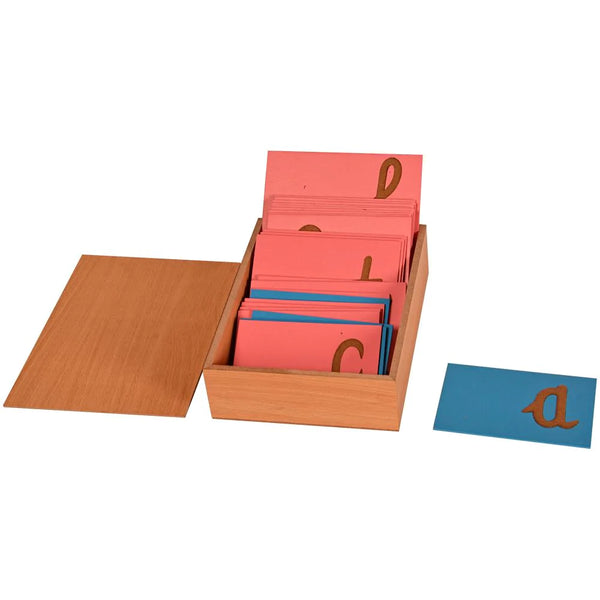
Montessori principles can be easily integrated into any Indian home, turning everyday moments into powerful FLN opportunities. For literacy, consider engaging your child with Sandpaper Letters, which allow them to feel the shape of a letter before writing it, building crucial muscle memory. Reading aloud from storybooks, encouraging rhyming games during long car rides, or pointing out letters on street signs in both English and local languages, all contribute to a rich language environment. A Montessori Movable Alphabet set can empower a child to construct words and sentences, even before they master pencil grip.
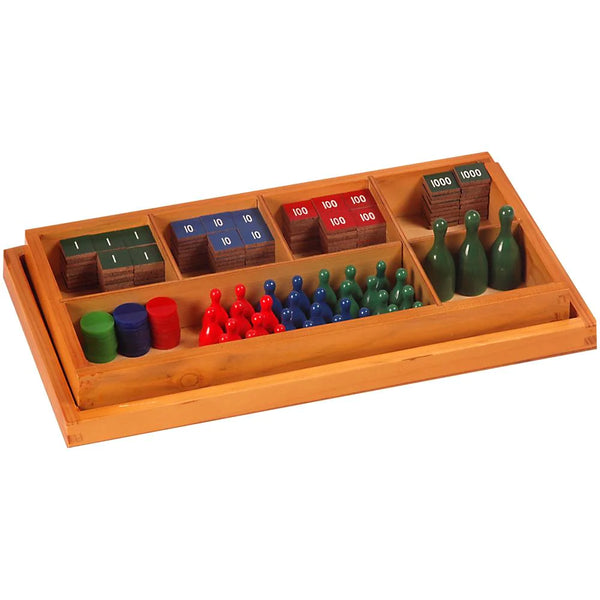
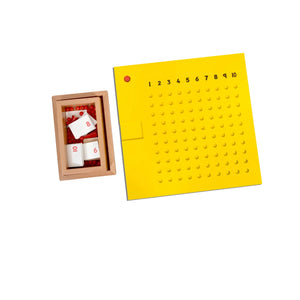
For numeracy, activities can be equally engaging. Counting household items like rotis, sorting different coloured bindis, or measuring ingredients while helping in the kitchen are wonderful ways to introduce quantity and number concepts. Materials like Montessori Number Rods or the Spindle Box provide a hands-on experience of number recognition and quantity, making abstract math concepts tangible and understandable.
Choosing Educational Toys for FLN Development
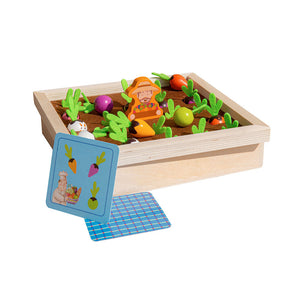
When selecting educational toys, think about those that invite exploration and self-correction, aligning with both Montessori principles and NEP's FLN goals. Wooden puzzles that require fine motor skills, stacking blocks that teach spatial reasoning, or sequencing cards that build logical thinking are all excellent choices. These toys are not just for play; they are tools for development.
For instance, a simple geometric sorter helps a child understand shapes and categories, a foundational skill for both literacy (recognizing letter shapes) and numeracy (recognizing number forms). Sensory bins filled with rice or lentils and scoopers enhance fine motor skills and concentration, critical for writing. Look for toys that encourage independence and problem-solving, rather than those that simply entertain passively.
Bridging NEP 2020 Early Learning with Practical Life
One of the most profound, yet often overlooked, ways to foster FLN is through Montessori Practical Life activities. These are not just chores; they are foundational exercises for concentration, coordination, independence, and order – all prerequisites for academic learning. A child learning to pour water without spilling, sweep the floor, or fold napkins develops fine motor control and sustained attention. This helps their brain organise for more complex tasks like reading and writing.
Imagine a 3-year-old in Bengaluru proudly watering the balcony plants every morning. This simple act builds responsibility, sequential memory, and control of movement, skills that directly support the focus required for learning letters or counting objects. Child development experts agree that a strong sense of order and practical independence significantly eases the transition to formal learning environments and improves a child's capacity for focused study.
Empowering Parents for Preschool Readiness NEP Success
As parents, your role in supporting your child's NEP 2020 early learning journey is invaluable. Trust in your child's innate ability to learn and provide a stimulating, respectful environment. Instead of rote memorisation, focus on experiences that build deep understanding. Engage them in conversations, read stories in their mother tongue, involve them in simple household tasks, and let them explore. For example, during Diwali, let your child count the diyas or help arrange them in patterns, connecting cultural events to mathematical concepts.
The goal is not to rush academic achievement, but to nurture a curious, capable, and confident learner. By embracing the principles of NEP's FLN and the timeless wisdom of Montessori, Indian parents can provide a solid foundation for their child's school readiness, ensuring they embark on their educational journey with joy and competence.