UNICEF Early Childhood Education Recommendations: Montessori for India
Indian parents face unique anxieties when preparing their children for the competitive landscape of preschool, LKG, and UKG. Understanding how UNICEF early childhood education recommendations can be translated into practical Montessori strategies offers a clear, confidence-building path for holistic development, ensuring children are truly ready for school and life.
UNICEF's Early Childhood Education (ECE) recommendations define a child's right to survival, growth, development, and protection from birth. This comprehensive approach emphasizes holistic development across physical, social-emotional, cognitive, and language domains, which is foundational for school readiness. This matters because a global study, as recently reported by Theirworld, indicates children in countries like the UK are less prepared for school than their international counterparts, highlighting the universal importance of effective ECE. Indian parents can actively apply these global benchmarks within their homes using proven Montessori principles.
What are UNICEF's Early Childhood Education Recommendations?
UNICEF's Early Childhood Education (ECE) guidelines promote a holistic development approach for children aged 0-8 years, encompassing physical health, social-emotional well-being, cognitive skills, and language acquisition. This framework emphasizes creating nurturing environments that foster a child's natural curiosity and learning. This matters because strong ECE foundations lead to better academic outcomes and lifelong success. Indian parents can integrate these principles by focusing on play-based learning and creating a responsive home environment.
UNICEF ECE Guidelines India: A Montessori Approach
The core of UNICEF's advocacy lies in providing every child with the best start in life, emphasizing that learning begins at birth. These guidelines resonate deeply with Dr. Maria Montessori's philosophy, which respects the child as an individual capable of self-directed learning from an early age. The alignment is particularly relevant in India, where the National Education Policy (NEP 2020) also champions foundational literacy and numeracy within a holistic framework, as highlighted by orfonline.org.
Montessori's emphasis on a 'prepared environment' directly addresses UNICEF's call for nurturing spaces. This means an environment where everything is purposefully arranged to be accessible and engaging for the child, encouraging independence. Child development experts agree that such an environment reduces frustration and builds self-esteem, crucial for early learners, especially those aged 18-24 months who are exploring their autonomy.
Montessori School Readiness Tips for Indian Homes
Translating global guidelines into the bustling reality of an Indian household might seem challenging, but it is entirely achievable. The key is integrating purposeful activities into daily routines, making learning a natural part of life, rather than an additional chore.
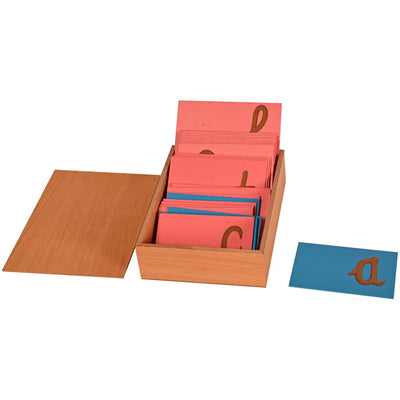
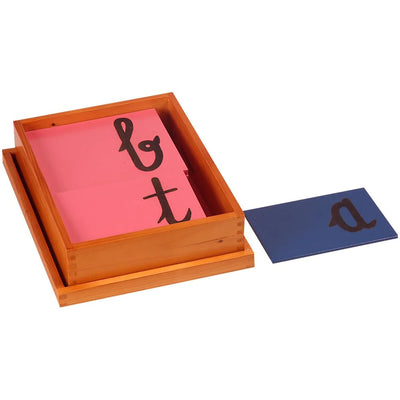
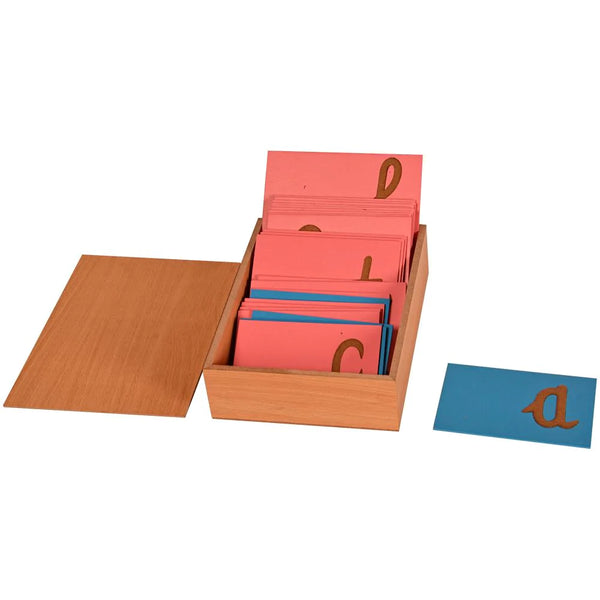
Fostering Cognitive Development: UNICEF recommends activities that build problem-solving and critical thinking. In Montessori, this comes alive through sensory exploration. Materials like the Pink Tower or Sandpaper Letters allow children to learn through direct experience, building logical pathways in their minds. Encouraging your child to sort lentils or match lids to containers during kitchen tasks offers similar cognitive benefits.
Nurturing Social-Emotional Growth: UNICEF stresses the importance of empathy, self-regulation, and positive relationships. In a joint family, children naturally learn to navigate social dynamics. Montessori's practical life activities, such as serving food during festivals or helping with puja preparations, teach responsibility and respect for community. The seemingly simple act of a child pouring water from a small jug, a core Montessori activity, is not just about keeping them busy; it's a direct response to UNICEF's call for developing executive functions – planning, concentration, self-control – which research from the Harvard Center on the Developing Child identifies as crucial for all future learning.
Promoting Physical Well-being: Fine and gross motor skills are vital for writing, drawing, and general coordination. Montessori encourages activities like buttoning, zipping, and using small tools. In India, kneading atta, helping string marigold garlands, or even sweeping a small area with a child-sized broom are excellent ways to develop these skills. Studies indicate that strong fine motor skills at ages 3-6 years are predictive of later academic success.
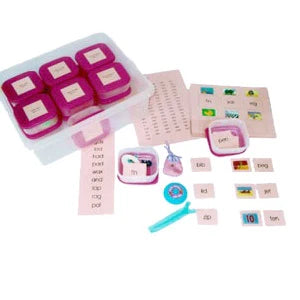
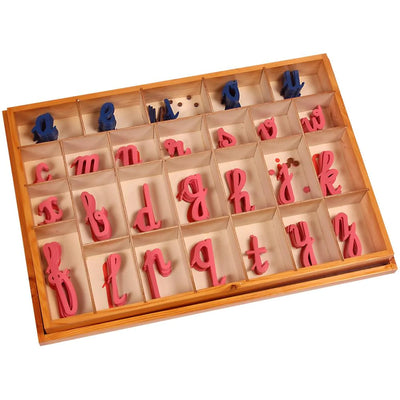
Encouraging Language and Communication: UNICEF highlights rich language environments. In Indian homes, this means conversing in your mother tongue, telling stories, singing traditional songs, and involving children in conversations during family gatherings. Montessori also uses concrete materials to introduce language, moving from phonetic sounds to word building, which helps children develop a robust vocabulary and express themselves clearly.
Preschool Preparation India: Holistic Development Over Early Academics
Many Indian parents feel immense pressure to enroll their children in schools that promise early academic achievements, often prioritizing rote memorization of letters and numbers. However, both UNICEF and NEP 2020 advocate for a more balanced approach. True school readiness isn't just about knowing your ABCs; it's about a child's ability to focus, follow directions, adapt to new routines, manage their emotions, and engage respectfully with peers and teachers. These are the executive functions and social-emotional skills that Montessori naturally cultivates.
Focusing on foundational skills like concentration, independence, and a love for learning, rather than pushing early academics, sets a child up for long-term success. As the 'Foundations First: How NEP 2020 is Shaping India's Early Learning Revolution' piece suggests, a holistic approach creates confident, capable learners.
Educational Toys for ECE: SkilloToys Montessori Tools
Purposeful educational toys are instrumental in implementing UNICEF's ECE guidelines and Montessori practices at home. SkilloToys.com offers a curated collection of Montessori materials designed to support every domain of a child's development. From practical life tools that build independence and fine motor skills to sensory materials that refine perception and cognitive understanding, each toy serves a specific developmental purpose.
Consider our range of Montessori practical life materials, perfect for children aged 2.5-6 years. These items, like pouring sets or dressing frames, allow children to mimic real-world activities, building confidence and coordination. They are not just playthings but tools for growth, directly contributing to the self-care and independence skills UNICEF recommends.
Preparing your child for school in India doesn't have to be a source of anxiety. By thoughtfully integrating UNICEF early childhood education recommendations through the timeless wisdom of Montessori principles, you can create a nurturing home environment that fosters independence, critical thinking, and a genuine love for learning. Observe your child, provide meaningful opportunities, and trust in their innate capabilities. This holistic approach ensures your child is not just ready for school, but ready to thrive in life.