Child Screen Dependence India: Expert Insights & Montessori Alternatives
Child screen dependence in India is a critical concern, with health experts across the nation now identifying it as a new worry for parents. Studies indicate that early and excessive digital exposure can significantly hinder a child's holistic development, affecting physical health, cognitive abilities, and social-emotional growth. SkilloToys.com offers practical, Montessori-based alternatives to help Indian families manage this challenge effectively, fostering engaging, screen-free environments.
The increasing recognition of this issue by health experts, as reported by various Indian news outlets, underscores its growing prevalence in modern Indian households. Parents, navigating the demands of work, schooling, and societal expectations, often find screens becoming an unintentional 'digital babysitter'. However, the long-term implications demand a proactive, solution-focused approach.
What is Child Screen Dependence?
Child screen dependence is characterised by a compulsive need to use digital devices, leading to distress when access is denied and interfering with daily activities. This matters because it directly impacts brain development, social skills, and physical health in growing children. Indian parents can proactively address this by understanding its signs and implementing structured alternatives.
Research indicates that children under two years of age should have no screen time, and those aged 2-5 years should be limited to one hour per day, as recommended by paediatric bodies globally. Exceeding these limits can lead to challenges in attention span, language development, and even contribute to physical health issues.
The Rise of Screen Addiction in Indian Kids: Expert Concerns
The prevalence of screen addiction among Indian kids is a growing concern for health experts across the country. Factors such as easy access to smartphones, increased urbanisation, and the pressures of modern life have led to screens becoming ubiquitous in many Indian homes, even in joint family settings where multiple generations might be present.
Concerns like vitamin D deficiency and child obesity, often linked to increased screen time and sedentary lifestyles, are frequently highlighted in national discussions. Health experts in India emphasise that this shift from active play to passive screen consumption impacts not just physical health but also crucial cognitive and social development. Parents are seeking effective strategies for managing screen dependence before it escalates.
Recognising the Signs: Is Your Child Screen Dependent?
Identifying child screen dependence early is crucial for intervention. Parents should look for several key indicators that suggest a child's reliance on digital devices has become problematic. These signs are often subtle at first but become more pronounced over time.
Does your child show intense irritability or tantrums when a screen is taken away? Do they struggle to engage in traditional play or other activities that don't involve a device? Are they increasingly withdrawn, preferring screen time over interacting with family members, including grandparents, or friends? These behaviours signal a need to re-evaluate screen habits.
Montessori: A Powerful Alternative for Managing Screen Dependence
The Montessori philosophy offers a profound framework for managing screen dependence by fostering intrinsic motivation and engagement through hands-on learning. Maria Montessori believed in a prepared environment that allows children freedom within limits, encouraging exploration and discovery without the need for external digital stimuli. This approach naturally cultivates concentration, independence, and a love for learning.
Montessori screen-free activities are designed to stimulate all senses, building foundational skills through tangible experiences. Instead of passively absorbing information, children actively construct their understanding of the world, developing a strong sense of self and purpose. This provides a robust alternative to the instant, often superficial gratification offered by screens.
Practical Montessori Screen-Free Activities for Indian Homes
Transitioning to a screen-free environment doesn't have to be daunting. SkilloToys.com champions practical, accessible Montessori alternatives to screens for kids that can be easily integrated into any Indian household. Focus on creating a stimulating 'prepared environment' using everyday items and quality educational toys.
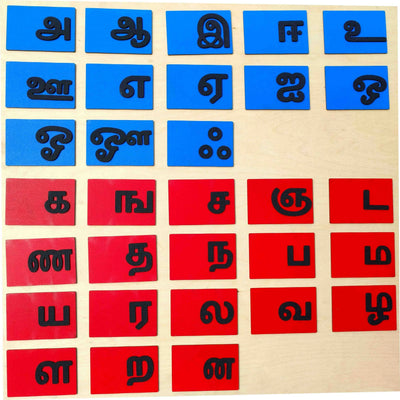
For toddlers, consider simple practical life activities like helping shell peas, folding clothes, or pouring water into glasses – activities often done alongside mothers or grandmothers. For older children, introduce sensorial materials like the Pink Tower for understanding dimension, or Montessori materials such as Sandpaper Letters for tactile literacy, which offer deep engagement and foster concentration. Our activityKits provide structured, age-appropriate options to kickstart this journey.
Encourage outdoor play, walks in the park, or even helping with simple chores like watering plants. These activities promote physical development and connect children to their immediate environment, a cornerstone of Montessori education. Involve the whole family, from parents to grandparents, in these enriching experiences, strengthening family bonds and providing a rich, stimulating childhood away from digital distractions.
- Child screen dependence is a new worry for Indian parents, identified by health experts nationwide.
- Excessive screen time impacts children's physical, cognitive, and socio-emotional development.
- Montessori education provides a robust, evidence-based framework for managing screen dependence.
- Hands-on, sensory-rich Montessori activities foster concentration, independence, and a love for learning.
- Creating a 'prepared environment' with engaging alternatives helps children thrive without screens.
- Family involvement, including grandparents, is crucial for successful screen-free transitions in Indian homes.
What are the early signs of screen dependence in Indian children?
Early signs include tantrums when screens are removed, a preference for digital devices over traditional play, difficulty focusing on non-screen activities, and complaints of boredom without a device. Observe changes in mood or behavior related to screen access.
How can Montessori principles help reduce screen time for toddlers?
Montessori principles focus on a prepared environment with engaging, hands-on activities that foster concentration and independence. Offering developmentally appropriate materials like puzzles, stacking toys, and practical life activities naturally draws toddlers away from screens.
Are there specific Montessori activities that are good alternatives to screens?
Yes, activities like sorting beans, pouring water, buttoning frames, using the Pink Tower, or working with Sandpaper Letters provide tactile, engaging experiences. These activities build fine motor skills and cognitive understanding, acting as powerful alternatives to passive screen consumption.
How do I involve grandparents in managing screen dependence in a joint family setting?
Involve grandparents by educating them on the benefits of screen-free play and suggesting fun, shared activities like storytelling, cooking simple Indian recipes together, or gardening. Provide them with engaging Montessori materials or activityKits that they can enjoy with the child.
What if my child resists screen-free activities initially?
Start with small, consistent steps and model screen-free behavior yourself. Offer a wide variety of engaging alternatives, allow them to choose activities, and provide positive reinforcement. Patience and consistency are key to transitioning away from screen dependence.