Educational Toys for Screen-Free Kids in India
Choosing the right educational toys for a screen-free childhood in India is a definitive step towards fostering holistic development, directly countering concerns raised by experts about excessive screen time. Indian parents in Bengaluru and across the nation are increasingly seeking tangible, engaging alternatives that nurture a child's natural curiosity and cognitive growth. This guide offers practical insights to select toys that genuinely educate and empower your little one away from digital distractions.
What are Montessori Educational Toys?
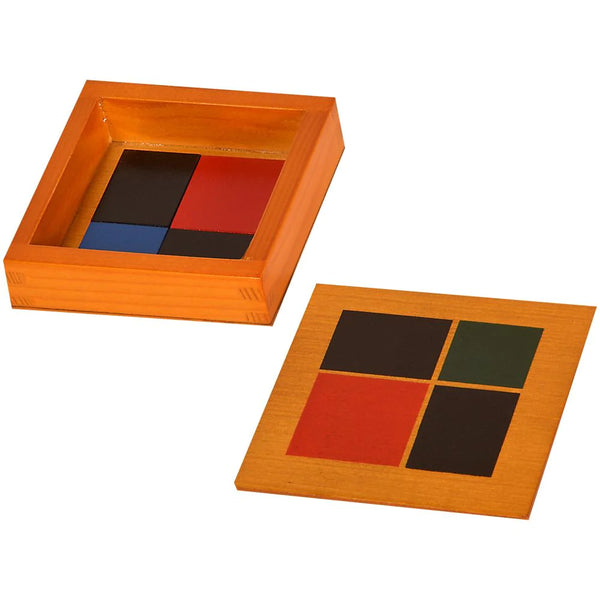
Montessori educational toys are carefully designed learning materials rooted in Dr. Maria Montessori's philosophy, emphasizing self-directed activity, hands-on learning, and collaborative play. This matters because they foster independence, concentration, and practical life skills, crucial for building a strong foundation in early childhood development. Indian parents can use these toys to create a 'prepared environment' at home, promoting active engagement over passive consumption.
Why Screen-Free Learning Toys Matter More Than Ever for Indian Children
In our increasingly digital world, headlines from ETV Bharat to The Times of India frequently highlight the growing concerns about excessive screen time among children, with experts weighing in on potential health and developmental impacts. For many Indian parents, the challenge is real: how to navigate a world full of glowing screens while ensuring their child's optimal growth. Child development experts agree that prolonged screen exposure can hinder crucial developmental milestones, impacting everything from attention spans to social-emotional skills.
This is where screen-free learning toys become invaluable. Unlike passive digital content that delivers information, well-chosen educational toys demand active participation. They ask children to think, create, and problem-solve, transforming them from consumers into active learners. For a child growing up in a bustling Indian joint family, where sensory experiences are rich and interactions varied, these tangible tools provide grounding alternatives that foster genuine curiosity and imaginative play.
Core Montessori Principles for Choosing Educational Toys in India
Selecting the right choosing educational toys India parents can trust involves understanding the underlying principles that make them truly effective. Dr. Maria Montessori's philosophy offers a powerful framework:
Child-Led Exploration and Engagement
Montessori toys are designed to be intrinsically motivating. They allow the child to choose what to play with, how to play, and for how long. This fosters a sense of autonomy and deep concentration. Instead of a toy telling the child what to do, the child discovers the toy's possibilities, much like a young child exploring a basket of vegetables in an Indian kitchen.
Natural Materials and Sensory Richness
From the smooth feel of polished wood to the subtle scent of cotton, Montessori materials engage multiple senses. Research shows that engaging with natural materials provides a richer sensory experience than plastic or electronic toys. For Indian homes, often filled with textures and natural elements, these materials integrate seamlessly, offering a tactile connection to the world around them.
Purposeful Design and Specific Learning Goals
Every Montessori toy serves a specific developmental purpose, targeting skills like fine motor coordination, language acquisition, or mathematical concepts. For instance, a knobbed cylinder set is not just a puzzle; it's a precise tool for developing the pincer grasp and understanding dimensions. This intentional design ensures that playtime is always productive learning time.
Self-Correction and Independence
Many Montessori materials are designed to be self-correcting, meaning the child can identify their own errors without adult intervention. If a puzzle piece doesn't fit, it's immediately clear. This empowers children to learn from their mistakes, build resilience, and develop problem-solving skills independently, a crucial life skill valued in every Indian household.
To discover materials built on these principles, explore our curated collection of Montessori method learning materials and toys.
Age-Wise Guide: The Best Toys for Child Development at Every Stage
Choosing toys for child development requires understanding what's appropriate for each age. Here's a general guide for Indian parents:
0-12 Months: Sensory Exploration and Grasping
For infants, focus on stimulating their senses. Soft rattles, wooden grasping toys, and simple mobiles encourage visual tracking, auditory discrimination, and early hand-eye coordination. These foundational experiences are vital for brain development, offering concrete stimulation far beyond what a screen can provide. Think of a baby reaching for their grandad's colourful turban; that natural curiosity is what these toys harness.
1-3 Years: Practical Life Skills and Discovery
Toddlers are keen explorers. Toys like stacking rings, simple shape sorters, and large wooden blocks help refine fine motor skills and spatial reasoning. Practical life materials, such as child-sized sweeping brushes or pouring sets, mimic daily chores seen in Indian homes, fostering independence and a sense of contribution. For a young child observing their parents prepare for Diwali, a small, safe set of kitchen tools can be profoundly engaging.
3-6 Years: Cognitive Growth and Language Development
Preschoolers thrive on more complex challenges. The iconic Pink Tower, Broad Stair, and Geometric Solids introduce concepts of size, dimension, and form. Language materials like Sandpaper Letters (for Hindi or English alphabets) prepare them for reading and writing. Role-play sets that mirror Indian daily life – a vegetable vendor's stall, a doctor's clinic – enhance social skills and imaginative play. For a variety of engaging options that span these developmental stages, explore our activity kits.
Beyond the Toy: Creating a 'Prepared Environment' in Your Indian Home
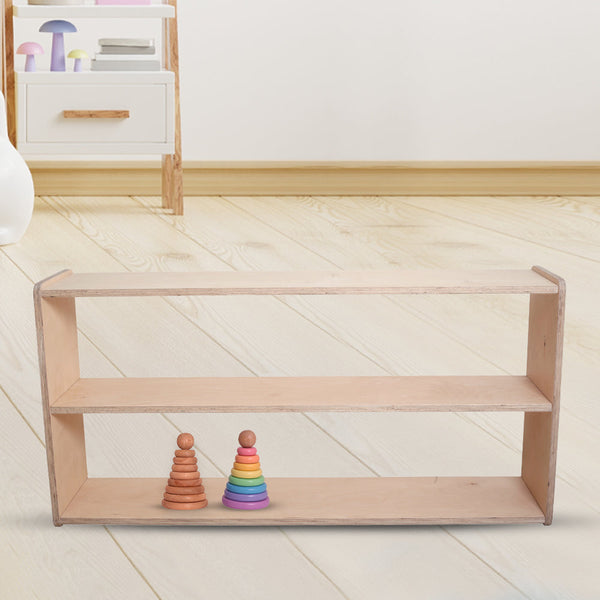
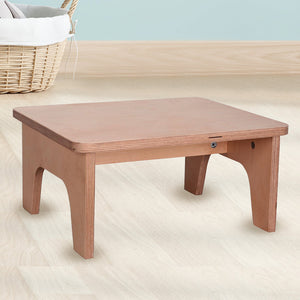
In India, where living spaces can be compact and family dynamics close-knit, integrating Montessori principles into the home environment is key. A 'prepared environment' doesn't require a large dedicated room; it means creating a space that is orderly, accessible to the child, and filled with purposeful items. This could be a low shelf in the living room with carefully chosen toys, or a small mat where a child knows they can engage in focused play.
Grandparents, who play a pivotal role in many Indian families, can become wonderful facilitators of screen-free play. Instead of offering a tablet, they can engage a grandchild with wooden blocks, a threading activity, or even traditional games. This intergenerational interaction not only reduces screen time but also strengthens family bonds. Moreover, by incorporating elements of everyday Indian life – like involving children in simple tasks like sorting lentils or arranging puja items – parents can naturally extend the 'practical life' skills encouraged by Montessori educational toys, fostering a deep connection to their cultural context.
What to Look For (and Avoid) When Choosing Educational Toys in India
As you curate your child's play environment, keep these guidelines in mind:
Look For:
- Durability and Quality: Toys made from sturdy, non-toxic natural materials like wood or cotton that can withstand years of play.
- Open-Ended Play: Toys that can be used in multiple ways, encouraging creativity and imagination (e.g., blocks, scarves, art supplies). The child's mind does the work.
- Specific Learning Objectives: Toys that target a clear skill, whether it's fine motor development, logical thinking, or sensory exploration.
- Child's Interest: Observe what captures your child's attention and choose toys that align with their current developmental fascinations.
Avoid:
- Flashing Lights and Loud Noises: These overstimulate and can hinder concentration, mimicking the very screens you're trying to avoid.
- Battery-Operated Toys: Often, these do the work for the child, reducing active engagement and imagination.
- Single-Use or Fad Toys: Items that offer limited play value and quickly lose a child's interest, often leading back to screen cravings.
- Overly Branded or Character-Driven Toys: While fun, these often limit imaginative play to predefined narratives rather than allowing the child to create their own stories.
Empowering your child with thoughtfully chosen educational toys is a powerful step towards a vibrant, screen-free childhood. It's about creating a home environment that values curiosity, hands-on discovery, and the rich, imaginative world that exists beyond the digital realm. Start by observing your child's natural interests tonight, and choose one high-quality, open-ended toy that sparks their innate desire to learn and explore.