Screen Time Speech Delay India: Montessori Answers
Excessive screen time speech delay in India is a growing concern, impacting how children acquire vital communication skills. Research consistently shows that passive screen consumption replaces the interactive dialogue and real-world exploration critical for early language development. Montessori education offers a scientifically-backed framework that actively fosters these essential skills, providing powerful, hands-on alternatives to screen dependency.
As NDTV recently highlighted, the rise of speech delay in Indian children is becoming a "silent epidemic." Many parents, especially in urban homes, find themselves grappling with the dilemma of managing digital devices while nurturing their child's holistic development. This article delves into the science behind how screens impede language acquisition and presents concrete Montessori solutions to help your child find their voice.
Understanding Speech Delay and Its Root Causes
Speech delay is when a child does not develop speech and language skills within the typical age range, struggling with pronunciation, vocabulary, or forming sentences. This matters because early communication is foundational for cognitive and social-emotional growth. Indian parents can address this by fostering language-rich environments and limiting passive screen exposure.
Child development experts agree that the first few years are a critical window for language acquisition. During this period, a child's brain rapidly forms connections based on their sensory experiences and interactions. When screens dominate this crucial time, they disrupt these natural processes.
The Science Behind Screen Time's Impact on Child Language
The impact of screens on child language development is profound and multi-faceted. Research, including findings supported by the American Academy of Pediatrics (AAP), points to several key mechanisms. Firstly, passive screen viewing, whether it's cartoons or nursery rhymes, is a one-way street. It lacks the essential "serve and return" interactions—the back-and-forth communication where a child babbles, and a parent responds, building the foundation of conversation.
Secondly, screens overwhelm a child's sensory system without engaging it meaningfully. Unlike playing with a wooden block or feeling the texture of a mango, which activates multiple senses and encourages descriptive language, screen content offers pre-digested stimulation. This deprives the child of the opportunity to interpret, question, and vocalise their observations.
A study published in JAMA Pediatrics found that for every 30-minute increase in handheld screen time per day, children aged 18 months had a nearly 50% increased risk of expressive speech delay. This isn't just about what screens provide, but what they actively replace: the rich, responsive human interaction that is the primary engine of language learning. For Indian parents, this means every minute spent on a screen is a minute not spent in a playful chat with Dadi, exploring the courtyard, or describing the flavours of a festival sweet.
Montessori Language Development: Building Communication Skills Organically
Maria Montessori's educational philosophy offers a powerful counter-narrative to the challenges of screen-time speech delay. The Montessori approach fundamentally understands that language is an organic process, deeply connected to a child's overall development and their interaction with a "prepared environment." This environment is rich with opportunities for spontaneous conversation, precise vocabulary, and multi-sensory exploration.
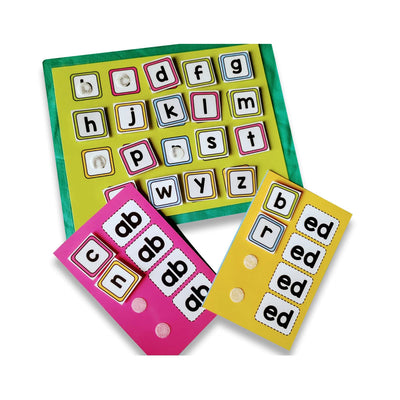
Montessori classrooms, and by extension, Montessori-inspired homes, naturally foster screen-free communication skills. Rather than being lectured, children learn by doing. They engage with concrete materials that isolate concepts, allowing them to grasp language elements through touch, sight, and sound. For example, Montessori language materials like the Sandpaper Letters allow children to feel the shape of a letter while hearing its sound, creating a deep, multi-sensory impression far more effective than rote memorisation from a screen.
Furthermore, the Montessori method emphasises practical life activities – pouring water, buttoning clothes, preparing a snack. Each activity comes with its own precise vocabulary and sequencing, naturally encouraging a child to use descriptive words and follow instructions. This holistic engagement means children aren't just learning words; they're learning to communicate meaningfully within a real-world context.
Practical Montessori Strategies for Indian Parents
Integrating Montessori principles into your Indian home can significantly boost your child's language development and mitigate the risks of screen time. It's about creating a "language-rich" environment, not necessarily a silent one.
- Engage in "Language Walks": Whether it's a stroll in the park or a visit to the local market, describe everything you see. "Look at the shiny red auto!" "Smell the fresh jasmine flowers!" Encourage your child to point and respond. This consistent exposure to descriptive vocabulary is far more impactful than passively watching a video about colours.
- Responsive Communication is Key: When your child babbles or points, respond immediately and elaborate. If your toddler says "ball," you can say, "Yes, that's a big, red ball! Let's roll the ball." This 'serve and return' interaction builds conversational pathways in their brain. Grandparents in joint families are natural masters of this, often narrating stories and talking to babies constantly.
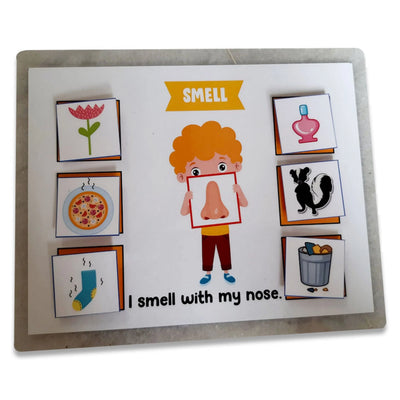
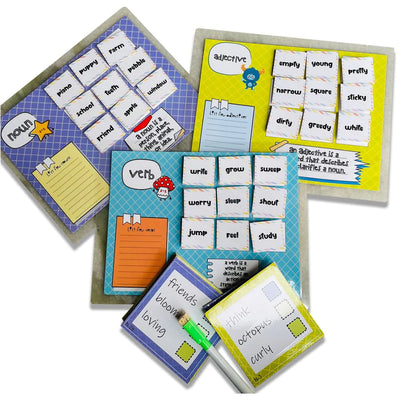
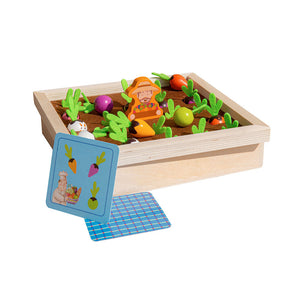
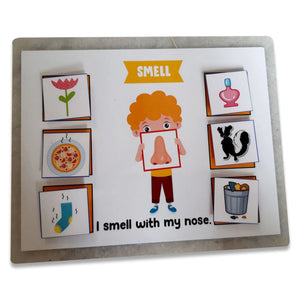
- Introduce Language-Focused Educational Toys: Investing in educational toys for speech development that are hands-on and open-ended can make a huge difference. Think wooden puzzles, sorting games, and story sequencing cards. These encourage descriptive language, problem-solving, and imaginative storytelling. For instance, ask your child to describe what happens next in a sequence or identify objects by their sound.
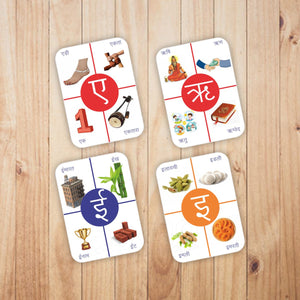
- "Prepared Environment" for Language: Designate a "language corner" with age-appropriate books, picture cards, and small, interesting objects (like a seashell or a smooth stone). Rotate these items to keep interest alive. This invites exploration and conversation without the need for a screen.
- Involve Them in Daily Life: Ask your child to help with simple household chores. "Please get the big yellow spoon." "Let's count the rotis." Festivals offer a fantastic opportunity: describing the colours of the rangoli, the taste of ladoos, or the sounds of firecrackers can be rich language lessons.
Shifting away from excessive screen time isn't just about removing a distraction; it's about re-introducing the fundamental human interactions that are the bedrock of language development. By embracing Montessori principles, Indian parents can proactively address speech delays and empower their children to articulate their thoughts, feelings, and the vibrant world around them.
The journey to strong communication skills begins with meaningful engagement. Choose interaction over passive consumption, and watch your child's language blossom.