Screen Time Guidelines India: Nuanced Montessori Approach
Recent reports, prominently featured in 'The Hindu', highlight a crucial evolution in screen time guidelines India, moving from rigid 'no screen' mandates towards a more nuanced understanding. This shift acknowledges that the impact of digital media isn't solely about duration, but deeply entwined with the *quality* of content, the *context* of usage, and whether it's a solitary or shared experience. For Indian parents grappling with screens, this signals a pivotal moment to redefine healthy digital habits.
Nuanced screen time research examines not just screen duration, but also content, context, and co-viewing to understand digital exposure's true impact. This matters because it moves beyond blanket bans, offering parents a deeper understanding of cognitive and social development. Indian parents can use this to prioritize real-world engagement.
Shifting Sands: Understanding India's Nuanced Screen Time Guidelines
Child development experts, both globally and within India, are increasingly advocating for a more sophisticated approach to screen time recommendations India. This isn't about giving children free rein; rather, it's about acknowledging that not all screen time is created equal. The World Health Organization (WHO) and the American Academy of Pediatrics (AAP) have long emphasized avoiding screens for infants under 18-24 months, citing rapid brain development during this critical period.
However, for older children, the focus shifts. Research indicates that interactive, educational content co-viewed with a parent has a vastly different impact than passive, unsupervised consumption. This nuanced screen time research encourages parents to evaluate *what* their child is watching, *how* they are interacting with it, and *who* they are watching it with. It's a departure from the one-size-fits-all approach that often left parents feeling guilty or confused.
Montessori's Timeless Wisdom: The Prepared Environment for a Screen-Balanced Childhood
Maria Montessori's philosophy, developed over a century ago, offers an incredibly relevant framework for navigating these evolving guidelines. Montessori education champions the 'prepared environment' – a space intentionally designed to invite curiosity, independence, and purposeful activity. When a child's environment is rich with engaging, hands-on materials, the lure of passive screens naturally diminishes.
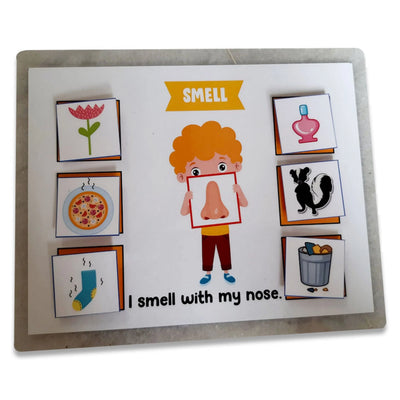
This isn't about enforcing a ban through strict rules, but about creating an ecosystem where real-world engagement is more appealing and fulfilling. Consider a 3-year-old in a Bengaluru apartment. Instead of passively watching a cartoon, they could be engrossed in sorting coloured beads, pouring water from one jug to another, or exploring the textures of wooden blocks. These Montessori screen-free alternatives foster concentration, fine motor skills, and problem-solving – all crucial for child development screen time aims to avoid disrupting.
Cultivating Real-World Engagement: Beyond the Digital Frame
Integrating Montessori principles into an Indian home provides practical pathways to healthy screen habits for kids. Think about how you can involve your child in everyday life. A 4-year-old helping Dadi peel peas for dinner isn't just a chore; it's a practical life activity developing fine motor control, patience, and a sense of contribution. These real-world engagements are profoundly satisfying for a child.
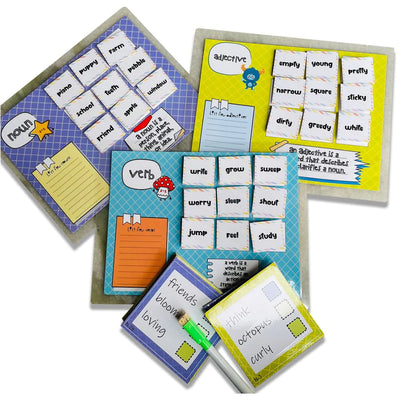
Explore a variety of Montessori learning materials that stimulate different senses and skills. Sensorial materials, like a Pink Tower or Sandpaper Letters, offer tangible experiences that build foundational concepts in a concrete way. Encourage outdoor play – a visit to the local park, exploring different leaves, or simply feeling the grass beneath their feet – connecting children with their natural environment.
Addressing Parental Worries: From Fear to Empowered Choices
Many Indian parents worry about their children falling behind if they don't engage with screens early, or face peer pressure from friends whose children have tablets. The fear of isolation or lack of digital literacy is real. However, experts emphasize that foundational cognitive skills – problem-solving, creativity, social interaction – are best developed through hands-on experiences, not passive screen consumption. A child with strong foundational skills will adapt to digital tools far more effectively later on.
Rather than feeling overwhelmed, view the updated screen time guidelines India as an opportunity to make empowered choices. Invest in high-quality, open-ended educational toys that spark imagination. Activity kits from SkilloToys, for instance, offer structured yet flexible play that can keep children engaged for extended periods, reducing the demand for screens naturally. By preparing an enriching environment and offering purposeful activities, you're not just limiting screens; you're actively cultivating a richer, more meaningful childhood for your child.