Screen Addiction Kids India: Doctors' Views & Montessori Solutions
The alarming rise of screen addiction in kids across India is a critical concern, with leading medical professionals now sounding the alarm. As reported by Firstpost, India's top doctors are explaining how excessive screen time severely impacts children's cognitive development, mental well-being, and physical health. This urgent medical consensus underscores the need for proactive, effective screen-free solutions for Indian families.
Research consistently shows that prolonged exposure to digital screens in early childhood can hinder crucial developmental milestones. This growing crisis demands immediate attention, prompting parents nationwide to seek proven alternatives that nurture holistic growth. Fortunately, the Montessori philosophy offers a powerful, engaging pathway to combat this modern challenge.
What is Screen Addiction in Children?
Screen addiction in children is an unhealthy, compulsive attachment to digital devices, negatively impacting daily life, social interactions, and development. This matters because it disrupts natural learning, reduces physical activity, and can lead to anxiety or sleep disorders. Indian parents can identify signs like withdrawal when screens are removed or a persistent preference for devices.
Screen Addiction in Indian Children: What Doctors Say
Leading child development experts and pediatricians across India are vocal about the dangers of unchecked screen exposure. Dr. Rajesh Kumar, a renowned pediatrician, emphasizes that screen time for children under two years old should be zero, a recommendation echoed by global health organizations. For older children, the advice focuses on strictly limited, supervised, and high-quality content, a standard often difficult to maintain in busy Indian households.
These medical professionals highlight that the blue light emitted from screens disrupts sleep patterns, while constant visual stimulation overloads developing brains, leading to decreased attention spans. Studies indicate that excessive screen use contributes to poor academic performance and a higher risk of obesity, as recently discussed by Healthshots, linking it to reduced physical activity and unhealthy eating habits prevalent in many urban Indian settings.
The Times of India also shed light on the hidden costs of excessive screen media use, detailing impacts on emotional regulation and increased instances of behavioral issues. This comprehensive medical perspective solidifies the understanding that screen time is not just a habit, but a significant health determinant for the next generation of Indian children.
Harmful Effects of Screen Time: Beyond the Obvious
While visible effects like eye strain are commonly acknowledged, the deeper impacts of prolonged screen time are far more concerning. Children exposed to excessive screens often struggle with language delays, as passive viewing replaces active communication and interaction. Their fine and gross motor skills can also suffer due to a lack of hands-on exploration and physical play, essential for developing coordination and strength.
Emotionally, children may experience increased irritability, anxiety, and difficulty in self-regulating their feelings. The constant dopamine hits from screens can make real-world activities seem dull by comparison, creating a cycle where children seek more digital stimulation. This affects their ability to cope with boredom, a crucial skill for fostering creativity and independent thinking, particularly important in the structured environment of Indian schooling.
Socially, the repercussions are equally profound. Reduced face-to-face interactions with family, grandparents, and peers can impede the development of empathy, conflict resolution skills, and understanding non-verbal cues. In joint family setups, this can strain familial bonds as children retreat into their digital worlds rather than engaging in shared cultural activities and conversations.
Montessori Screen-Free Solutions: Empowering Indian Parents
Montessori education, pioneered by Dr. Maria Montessori, offers a profound framework for a screen-free childhood, aligning perfectly with the developmental needs of children. It champions hands-on, self-directed learning in a specially prepared environment that encourages concentration, independence, and a love for practical activities. This approach naturally diverts children from screens by offering engaging alternatives.
By providing children with purposeful work, Montessori methods fulfill their innate drive for exploration and discovery. This is particularly effective for children in age ranges like 18-24 months and beyond, where sensory exploration is paramount. Parents in India can create a "prepared environment" at home, rich with materials that stimulate curiosity and encourage independent play, rather than passive consumption.
Child Screen Time Recommendations: Setting Healthy Boundaries
Adhering to expert recommendations is crucial for managing screen time effectively. For children under two years, child development experts agree on zero recreational screen time. For those aged 2-5 years, a maximum of one hour per day of high-quality, co-viewed content is recommended, with parents actively engaging in discussion. For school-aged children, consistent limits and a focus on balancing screen use with physical activity, sleep, and family time are essential.
Implementing these guidelines requires consistency and communication within the family, including grandparents who might inadvertently offer screens as entertainment. Establishing designated screen-free zones and times, such as during meals or before bedtime, can significantly reduce reliance on devices. Encouraging outdoor play, reading, and creative pursuits also provides robust alternatives.
Educational Toys for Screen Addiction: A Montessori Advantage
Montessori educational toys are specifically designed to address developmental needs and inherently combat screen addiction by fostering active engagement. Unlike passive screen content, these materials require children to manipulate, explore, and problem-solve, building real-world skills. For example, a child working with the Pink Tower develops visual discrimination and fine motor control, far more stimulating than swiping on a tablet.
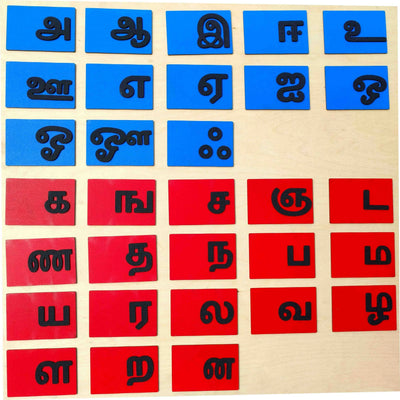
SkilloToys.com offers a wide array of Montessori materials that naturally captivate children's attention. Our activity kits are curated to provide multi-sensory experiences, from building blocks that teach spatial reasoning to sandpaper letters that engage touch and prepare for literacy. These tools encourage deep concentration and a sense of accomplishment, fulfilling the child's need for meaningful engagement without digital stimulation.
Investing in quality Montessori educational toys is an investment in a child's holistic development, offering a powerful antidote to the pull of screens. They promote independence, enhance problem-solving abilities, and cultivate a genuine love for learning through hands-on discovery. By choosing purposeful play, Indian parents can empower their children to thrive in a screen-saturated world.
- Indian doctors confirm screen addiction is a severe threat to children's development, affecting cognitive, emotional, and physical health.
- Excessive screen time in children under two should be avoided completely, with strict limits for older children (max 1 hour for 2-5 years).
- Harmful effects include language delays, reduced motor skills, increased anxiety, and impaired social development.
- Montessori education provides a proven framework for a screen-free childhood through hands-on, purposeful learning.
- Creating a "prepared environment" at home with engaging Montessori materials naturally diverts children from digital devices.
- Montessori educational toys promote concentration, independence, and problem-solving, offering a powerful alternative to passive screen consumption.
What are the immediate signs of screen addiction in Indian children?
Immediate signs include irritability or tantrums when screens are removed, a persistent preference for screens over play or social interaction, and difficulty focusing on other activities. Children might also complain of headaches or eye strain.
How can Montessori toys help reduce screen time?
Montessori toys engage children through hands-on exploration, purposeful activity, and sensory stimulation, fulfilling their innate drive to learn and discover. This active engagement naturally makes passive screen time less appealing and fosters deeper concentration.
What age ranges are most vulnerable to screen addiction?
Children under five years old are particularly vulnerable due to their rapidly developing brains and high need for sensory and social interaction. However, all age groups can develop unhealthy screen habits if not properly guided.
Are there specific Montessori materials recommended for combating screen use?
Absolutely. Practical Life materials (like pouring, buttoning), Sensorial materials (like the Knobless Cylinders), and Language materials (like Sandpaper Letters) all provide engaging, hands-on alternatives that develop concentration and fine motor skills. Activity kits are also excellent for guided, screen-free engagement.
How can Indian parents manage screen time effectively in a joint family setting?
Effective management in a joint family requires clear communication and agreement among all caregivers, including grandparents, on screen time rules. Establishing screen-free zones, setting specific device-free times, and providing engaging alternatives like traditional games or shared activities are key to consistent implementation.