Wooden Puzzles for Kids: Boost Cognitive Skills & Screen-Free Play
In Indian homes today, parents are increasingly seeking effective alternatives to screens as concerns about child development grow. Montessori wooden puzzles for kids offer a powerful, hands-on solution, actively boosting cognitive skills and encouraging invaluable screen-free play. Research from the Indian Academy of Pediatrics consistently highlights the adverse effects of excessive screen time, from speech delays to reduced attention spans, making tangible play options more crucial than ever.
Many urban Indian parents, like Radha in Bengaluru, wrestle with the temptation of handing over a tablet. Yet, child development experts agree that rich, tactile experiences are paramount for a child's growing brain. Wooden puzzles provide just that, inviting children to engage, explore, and learn through direct interaction, fostering independence that digital devices simply cannot replicate.
What are Montessori Wooden Puzzles?
Montessori wooden puzzles are meticulously designed learning tools that encourage self-directed activity, hands-on learning, and collaborative play. This matters because they intrinsically support a child's natural developmental trajectory, unlike passive digital consumption. Indian parents can integrate these purposeful toys to cultivate crucial cognitive and motor skills from an early age.
Montessori Wooden Puzzles: A Foundation for Cognitive Growth
One of the most significant benefits of wooden puzzles for kids lies in their ability to cultivate robust cognitive skills. When a child, say 3-year-old Aanya in a joint family in Mumbai, picks up a wooden piece and tries to fit it into its corresponding slot, she's not just playing; she's actively problem-solving. This trial-and-error process, inherent to Montessori materials, helps her understand spatial relationships, cause and effect, and develops her critical thinking without conscious effort.
Maria Montessori's philosophy emphasizes learning through doing, and wooden puzzles are a perfect embodiment of this. The 'control of error' built into many Montessori designs means Aanya can immediately see if a piece fits or not, allowing her to self-correct without adult intervention. This fosters independence and deepens her concentration, essential attributes for tackling more complex challenges later in life.
Beyond Screens: Boosting Fine Motor Skills and Concentration
The rise of screen addiction among children has raised alarms among experts, with reports from ETV Bharat and NDTV discussing the health and developmental concerns. Offering screen-free puzzles like those made from wood provides a vital antidote. The physical act of grasping, rotating, and placing a puzzle piece refines a child's fine motor skills and hand-eye coordination – abilities often underdeveloped in children exposed to excessive screen time.
Consider Rohan, a 4-year-old in Delhi, engrossed in completing a Montessori wooden puzzle. The satisfying click of wood on wood, the smooth finish of each piece, and the challenge of finding the right fit demand sustained attention. This focused engagement builds a longer attention span, a stark contrast to the fleeting, overstimulated attention cycles often observed with digital content. Child development studies consistently link active, hands-on play with improved cognitive function and concentration.
Choosing the Right Educational Wooden Puzzles for Indian Toddlers
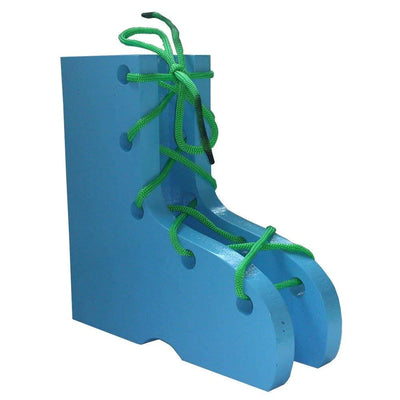
Selecting the right educational wooden puzzles is key to maximizing their developmental impact, especially for puzzles for toddlers India. For an 18-month-old, simple knob puzzles with single, large pieces representing familiar objects (like animals or vehicles) are ideal. These help with grasp development and object identification.
As children approach 2-3 years, introduce slightly more complex puzzles like shape sorters, peg puzzles, or multi-piece geometric puzzles. The beauty of these simpler, often 'boring' wooden toys is that they force the child to do the imagining and problem-solving, rather than being passively entertained. This active mental engagement builds stronger neural pathways. SkilloToys offers a wide range of Montessori learning materials and toys designed for progressive skill development.
Cultivating Screen-Free Habits with Wooden Puzzles
Introducing wooden puzzles can be a gradual, enjoyable process for the whole family. Instead of directly replacing screen time, integrate puzzles as a natural part of daily routine. Create a dedicated "puzzle station" in your home – perhaps a small mat or table in the living room where grandparents can also join in. This makes them an accessible and inviting option.
Start by playing alongside your child, modeling enthusiasm and guiding them gently. Soon, you'll find them independently reaching for these engaging toys. The Harvard Center on the Developing Child highlights that consistent, responsive adult interaction around play significantly enhances learning outcomes. Offer a puzzle as a calming activity before bed, or a focused task during a quiet afternoon, perhaps with a related activity kit to extend the learning. By making wooden puzzles a beloved fixture in your child's play, you're investing in their cognitive development and empowering them with essential screen-free skills for a brighter future.