Autism Sensory Sensitivities: Montessori for Young Children
Children with autism spectrum disorder (ASD) often experience autism sensory sensitivities differently than their neurotypical peers, impacting how they perceive and interact with the world. These sensitivities can manifest as over-responsiveness (hypersensitivity) or under-responsiveness (hyposensitivity) to stimuli, significantly influencing their learning, behaviour, and comfort. Montessori principles provide a structured, child-led environment that naturally accommodates these unique sensory needs, fostering development and independence in young children aged 0-5 years.
As we approach World Autism Awareness Day 2026, understanding these unique sensory profiles becomes even more critical for parents across India. This guide empowers families to navigate the complexities of sensory challenges in young children with ASD, offering practical, science-backed Montessori approaches that seamlessly integrate into the Indian home.
What are Autism Sensory Sensitivities?
Autism sensory sensitivities refer to the unique ways individuals with ASD process sensory information, leading to challenges with everyday sights, sounds, textures, tastes, and smells. This matters because these differences profoundly affect a child's ability to engage with their environment and learn effectively. Indian parents can adapt their home and routines to provide a supportive sensory landscape, integrating Montessori-inspired activities.
Understanding Hypersensitivity vs. Hyposensitivity
Children with ASD can experience sensory input in two primary ways: hypersensitivity or hyposensitivity. Hypersensitivity means being overly responsive to sensory stimuli. For instance, the sounds of a bustling market, the bright lights during a Diwali celebration, or the texture of certain clothes can feel overwhelming and distressing.
Conversely, hyposensitivity involves being under-responsive, meaning a child might seek out intense sensory experiences to feel regulated. This could manifest as a child constantly touching surfaces, enjoying strong flavours, or seeking deep pressure by squeezing into tight spaces or asking for firm hugs. Research indicates that approximately 90% of children with ASD experience atypical sensory responses, highlighting the prevalence of these differences.
Montessori for Autism: A Holistic Approach
Maria Montessori's philosophy, with its emphasis on observation, prepared environments, and purposeful activity, offers an inherently supportive framework for children with autism. It acknowledges the child's individual pace and interests, making it highly effective for addressing diverse sensory profiles.
The Prepared Environment: A Safe Haven
A Montessori-inspired 'prepared environment' is paramount for children with autism. This means creating a calm, organised, and predictable space within the home. Minimising clutter, using soft, natural lighting, and establishing clear zones for different activities can reduce sensory overload. For instance, designating a quiet corner with soft cushions can provide a safe retreat, much like the thoughtful design seen in initiatives like 'Umang Vatika' at Safdarjung Hospital, allowing children to play freely and safely.
This predictability is especially comforting for children who struggle with the sensory 'minefield' that public spaces in India can sometimes present, as highlighted by recent discussions. Within their prepared environment, children can explore and learn without unexpected sensory shocks.
Practical Life Activities: Building Competence and Calm
Practical life activities are the cornerstone of early Montessori education and are profoundly beneficial for children with autism. Tasks like pouring water, buttoning clothes, or sweeping the floor offer opportunities for repetitive, purposeful movement and fine motor skill development. These activities help regulate sensory input while building independence and self-confidence.
For an Indian child, this might involve helping their grandparents sort rice and lentils, setting out prayer mats, or learning to wear traditional clothes with specific fasteners. Such tasks not only enhance fine motor skills, as noted by The Times of India's tips for young children, but also provide a sense of order and accomplishment, which is deeply satisfying for children navigating sensory challenges.
You can explore a wide range of such activity kits that encourage fine motor skill development and daily living skills.
Sensorial Materials: Purposeful Sensory Exploration
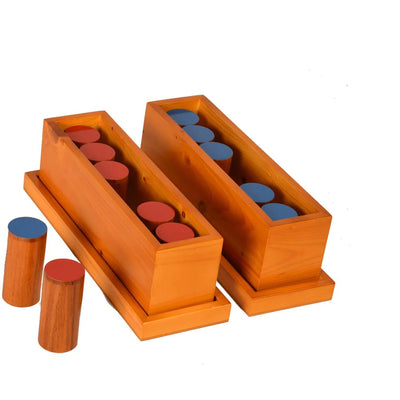
Montessori sensorial materials are specifically designed to isolate and refine each of the senses. Materials like the Pink Tower, Red Rods, and Sandpaper Letters provide clear, distinct sensory experiences that help children categorise and understand their world. For a child with autism, these materials offer controlled exposure to different textures, weights, and dimensions without overwhelming them.
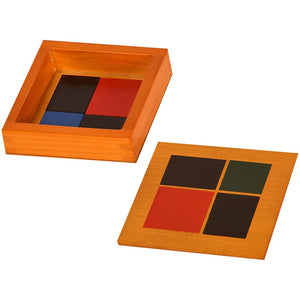
A child with tactile hyposensitivity, for example, might find comfort and regulation through the varied textures of a fabric box or the graded weights of the Baric Tablets. For visual hypersensitivity, the clear distinction and order of the Colour Tablets can be soothing. These materials support focused attention and help integrate sensory information systematically, fostering a deeper understanding of their environment.
Creating a Sensory-Friendly Home in India
Integrating Montessori principles means more than just materials; it's about fostering a mindful approach to your child's sensory world, especially within the dynamic context of an Indian household.
Adapting Daily Routines and Environment
Consider the sensory impact of daily life. During festivals like Diwali, the loud firecrackers and bright lights can be incredibly distressing for a hypersensitive child. Providing noise-cancelling headphones or a designated quiet room can make a significant difference. Similarly, for a hyposensitive child, incorporating more active, movement-based play or offering weighted blankets can provide much-needed sensory input.
Child development experts agree that consistent routines provide a sense of security and predictability. Implementing a visual schedule, using clear communication, and preparing your child for transitions can reduce anxiety related to unexpected sensory changes. This helps manage the sensory environment in a way that respects the child's individual needs.
Selecting Educational Toys for Sensory Support
Choosing the right educational toys is crucial. Look for toys that offer clear sensory feedback without being overstimulating. Montessori educational toys are ideal because they are often made from natural materials, have a specific purpose, and encourage hands-on exploration. Think wooden blocks, puzzles, lacing beads, or simple sorting activities.
For children who are tactile seekers, sensory bins filled with rice, lentils, or sand, combined with scoops and small toys, can be immensely engaging. For those sensitive to noise, opting for quiet wooden toys over battery-operated ones is beneficial. SkilloToys.com offers a curated selection of toys designed to support diverse sensory needs, promoting calm engagement and focused learning.
Navigating sensory sensitivities in children with autism can feel challenging, but with the practical and reassuring framework of Montessori, parents can create a supportive, enriching environment. By understanding your child's unique sensory profile and adapting their surroundings, you empower them to thrive, learn, and engage with the world on their own terms, fostering independence and joy.
- Children with autism spectrum disorder (ASD) often experience unique autism sensory sensitivities, impacting their interaction with the world.
- Montessori principles provide a structured, child-led approach that naturally accommodates these diverse sensory needs, from hypersensitivity to hyposensitivity.
- Creating a 'prepared environment' at home, with organisation and predictability, is crucial for reducing sensory overload and fostering security.
- Practical life activities, adapted to Indian home contexts, help regulate sensory input while developing fine motor skills and independence.
- Montessori sensorial materials offer controlled, purposeful sensory exploration, aiding children in processing and understanding their environment.
- Adapting daily routines, especially during events like festivals, and choosing appropriate educational toys are vital for creating a sensory-friendly home.
What is the primary difference between hypersensitivity and hyposensitivity in autism?
Hypersensitivity involves an exaggerated response to sensory input, making everyday stimuli overwhelming, like loud temple bells or bright lights. Hyposensitivity means a reduced response, where a child might seek intense sensory experiences, such as deep pressure or strong flavours, to feel stimulated.
How do Montessori materials specifically help children with autism sensory sensitivities?
Montessori materials are designed with specific sensory qualities – varying weights, textures, and dimensions – which help children process sensory input in a controlled, purposeful way. They allow for repetitive, self-correcting engagement, which can be calming and help integrate sensory information without overwhelming the child.
Can Montessori methods be adapted for children with autism at home in an Indian context?
Absolutely. Montessori principles like creating a prepared environment, fostering independence, and offering purposeful activities are highly adaptable to Indian homes. Parents can incorporate everyday tasks like helping with pooja preparations or sorting pulses into 'practical life' activities, tailored to their child's sensory profile.
What kind of sensory play is most beneficial for children with autism aged 0-5 years?
The most beneficial sensory play is open-ended, allows for exploration at the child's own pace, and aligns with their individual sensory needs. Activities like sand play, water play, working with playdough, or using activity kits that encourage fine motor skills and tactile exploration are excellent, provided they are not overstimulating.
How can parents identify if their child's behaviour is related to sensory sensitivities or other factors?
Observing patterns in behaviour is key. If meltdowns consistently occur in noisy places, or a child avoids certain textures, it often points to sensory sensitivities. Consulting with a paediatrician or occupational therapist can provide a professional assessment and tailored strategies for understanding and addressing these challenges.