Dedicated Sensory Play Spaces for Children with Disabilities
Dedicated sensory play spaces for children with disabilities (0-5 years) are specially designed environments that offer targeted sensory input and opportunities for safe, therapeutic play. These crucial spaces, exemplified by initiatives like Umang Vatika at Safdarjung Hospital, directly address the unique developmental needs of children with disabilities, providing a nurturing setting that conventional parks or homes often cannot fully replicate. Such specialized environments empower children to explore, learn, and grow at their own pace, significantly impacting their cognitive, social, and emotional development.
What Are Dedicated Sensory Play Spaces?
A dedicated sensory play space is a carefully constructed environment designed to stimulate a child's senses through specialized equipment, textures, sounds, and visuals, catering specifically to children with diverse abilities and developmental needs. This matters because it provides a controlled, predictable setting where children can engage in sensory exploration without feeling overwhelmed, fostering skill development and emotional regulation. Indian parents can seek out or advocate for these tailored environments to ensure their child receives optimal developmental support.
Why Specialized Environments Matter for Sensory Development in Children with Disabilities
Research shows that children with disabilities, including those with Autism Spectrum Disorder or sensory processing differences, often experience the world differently, requiring tailored sensory experiences for optimal development. Dedicated spaces provide a controlled environment where sensory input can be adjusted to prevent over-stimulation or provide necessary stimulation, crucial for skill-building and emotional regulation. Unlike typical playgrounds that can be overwhelming with unpredictable stimuli, these spaces offer a sanctuary for focused exploration.
Child development experts agree that consistent, appropriate sensory engagement helps children develop motor skills, cognitive abilities, and social interaction skills. Initiatives like Umang Vatika highlight how carefully chosen textures, sounds, and visual elements allow children to engage safely and joyfully, promoting their overall well-being. This specialized approach ensures that every child, regardless of their developmental journey, has access to the tools they need to thrive.
Creating Safe Play Environments for Children with Disabilities: Beyond Accessibility
While accessibility is fundamental, creating truly safe play environments for children with disabilities (0-5 years) extends far beyond ramps and wide doorways. It involves designing spaces with specific safety features, tailored equipment, and trained personnel who understand individual needs and potential sensitivities. This comprehensive approach ensures that the environment itself supports the child's physical and emotional safety, minimizing risks and maximizing engagement.
For instance, soft landings, secure boundaries, and non-toxic materials are standard, but a dedicated space also considers factors like lighting, sound levels, and the tactile properties of surfaces to prevent sensory overload or under-stimulation. Studies indicate that well-designed, inclusive play special needs environments reduce anxiety and promote independent exploration. This focus on holistic safety and tailored stimulation fosters confidence and allows children to engage deeply with their surroundings, crucial for their learning journey.
The Montessori Approach to Therapeutic and Inclusive Play for Special Needs
Maria Montessori's philosophy, centered on a "prepared environment" and self-directed activity, aligns beautifully with the goals of dedicated sensory play spaces, offering a powerful framework for therapeutic play for special needs. Montessori materials are inherently sensory, designed to isolate specific qualities and allow children to discover concepts through hands-on exploration. This approach empowers children to choose activities that meet their internal developmental needs, fostering concentration and independence.
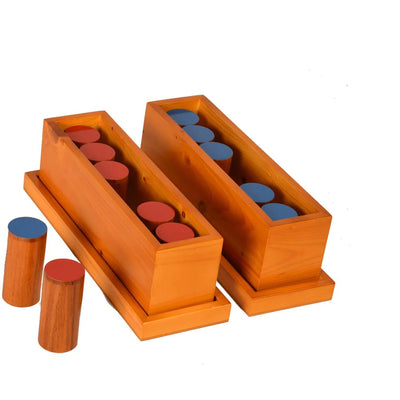
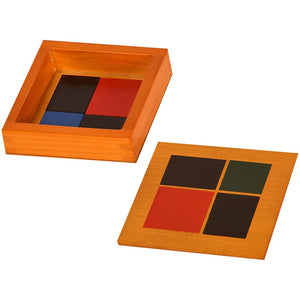
In a Montessori-inspired sensory play space, children might engage with practical life activities that develop fine motor skills and coordination, or explore sensorial materials like the Pink Tower or sandpaper letters. These experiences, though structured, allow for individual pacing and repetition, which is particularly beneficial for children with diverse learning styles. SkilloToys offers a wide range of Montessori Method learning materials and activityKits that can bring these therapeutic play principles into any environment, supporting development from home to specialized centres. The emphasis is on fostering innate curiosity and building foundational skills through joyful, purposeful engagement.
Finding and Advocating for Dedicated Sensory Play Spaces in India
While the concept of dedicated sensory play spaces is growing, Indian parents might still find limited options, especially beyond major metropolitan areas like Bengaluru. Many early intervention centers, therapy clinics, and some specialized schools are now incorporating sensory rooms or dedicated play zones. Parents are encouraged to explore local resources, connect with parent support groups, and inquire about government or NGO initiatives aimed at inclusive childhood development.
The Urban95 Pune project, which aims to transform Pune into an Infants, Toddlers, and Caregiver (ITC) friendly city, demonstrates the potential for urban planning to prioritize such facilities. Advocating for similar projects in your community, collaborating with local authorities, and raising awareness can accelerate the development of more safe play environments for disabilities. Grandparents and joint family members also play a vital role in supporting these efforts, ensuring that every child has access to spaces that nurture their full potential.
Dedicated sensory play spaces offer a profound gift to children with disabilities and their families in India: the gift of tailored development, safety, and uninhibited joy. By understanding their unique benefits and aligning with philosophies like Montessori, we can better support our children's journey towards independence and self-discovery. These environments are not just play areas; they are critical foundations for lifelong learning and well-being, fostering a more inclusive and supportive society for all our little ones.
- Dedicated sensory play spaces provide tailored environments crucial for the development of children with disabilities (0-5 years).
- These specialized spaces offer controlled sensory input, preventing over-stimulation and promoting skill-building in a safe setting.
- The Montessori approach, emphasizing a "prepared environment" and sensory materials, aligns well with therapeutic play for special needs.
- Examples like Umang Vatika highlight the growing recognition and implementation of inclusive play special needs facilities in India.
- Advocacy and community involvement are essential for expanding the availability of safe play environments for disabilities across India.
- Such spaces significantly enhance a child's cognitive, social, and emotional development through purposeful engagement.
What is the main benefit of dedicated sensory play spaces for children with disabilities?
The main benefit is providing a highly customized, safe, and predictable environment where children with disabilities can receive targeted sensory input. This prevents overwhelm, supports emotional regulation, and facilitates the development of motor skills, cognitive abilities, and social interactions at their own pace.
How do Montessori principles support therapeutic play for special needs?
Montessori principles support therapeutic play by emphasizing a "prepared environment," self-directed activity, and sensory-rich materials that isolate specific concepts. This framework allows children with special needs to engage purposefully, build concentration, and develop foundational skills through hands-on exploration and repetition, fostering independence and confidence.
Are these specialized play spaces available in Indian cities like Bengaluru?
Yes, specialized play spaces and sensory rooms are increasingly available in major Indian cities like Bengaluru, often within early intervention centers, therapy clinics, and some inclusive schools. Parents can inquire with local disability support organizations, children's hospitals, and specialized educational institutions for available resources and facilities.
What should parents look for in a safe sensory play environment for their child?
Parents should look for environments with trained staff, age-appropriate and sturdy equipment, secure boundaries, and non-toxic materials. Crucially, the space should offer adjustable sensory input (lighting, sound, textures) to prevent over-stimulation, and provide opportunities for both active and calming sensory exploration tailored to individual needs.
How can sensory play support a child's overall development and well-being?
Sensory play supports a child's overall development and well-being by helping them process and understand their world, build neural pathways, and improve sensory integration. It enhances problem-solving skills, creativity, communication, and emotional regulation, leading to greater confidence, reduced anxiety, and a stronger sense of self, which are vital for a happy and healthy childhood.