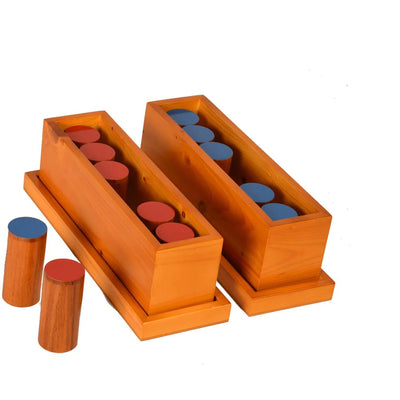
Doll House for Kids: Montessori Sensory & Imaginative Play
A Montessori doll house for kids unequivocally offers a powerful platform for holistic early childhood development, particularly in cultivating essential sensory, imaginative, and fine motor skills in children aged 0-5 years. These educational toys provide a rich, miniature world where children can explore, learn, and grow at their own pace.
A Montessori doll house is a specially designed miniature home, typically made from natural materials, that encourages open-ended, child-led play. This matters because it fosters independence, practical life skills, and a deeper understanding of real-world environments. Indian parents can leverage these houses to provide a culturally relevant and developmentally appropriate play experience.
The Sensory Richness of Montessori Doll Houses
Child development experts agree that sensory play is fundamental for early brain development, creating neural pathways crucial for learning. Montessori doll houses inherently offer a wealth of sensory experiences. Children engage with different textures – the smooth feel of polished wood furniture, the softness of miniature fabric bedding, or the varied surfaces of tiny accessories – stimulating their tactile senses.
Research shows that children who engage in regular sensory play exhibit improved cognitive and problem-solving abilities. Just as facilities like 'Umang Vatika' at Safdarjung Hospital provide safe and stimulating environments for children with disabilities to play freely, a well-designed Montessori doll house creates a secure, miniature world for all children to explore. This exposure to varied sensory inputs helps children interpret their environment more effectively and builds a strong foundation for future learning.
Nurturing Imaginative Play & Social Skills
Imaginative play is the bedrock of creativity and social-emotional intelligence in young children. A montessori doll house provides an ideal setting for toddlers and preschoolers to mimic real-life situations, practice social interactions, and develop empathy. Whether enacting daily chores, celebrating a pretend Diwali, or hosting a family gathering, children learn to understand and navigate social norms within a safe, playful context.
Studies indicate that play-based education creates stronger foundations for learning, a principle echoed by MSN's recent discussions on its importance. In the rich tapestry of Indian joint families, a doll house can become a miniature stage for children to reenact the dynamics they observe, fostering a sense of belonging and understanding of familial roles. Maria Montessori herself emphasized the importance of practical life activities, and doll house play perfectly encapsulates this, allowing children to experiment with different roles and scenarios.
Developing Fine Motor Skills and Hand-Eye Coordination
Manipulating the tiny inhabitants and intricate furnishings of an educational doll house significantly refines a child's fine motor skills. Activities like positioning a miniature chair, dressing a tiny doll, or opening and closing small doors demand precision and coordination. This focused engagement strengthens the small muscles in the hands and fingers, which are crucial for later skills such as writing, drawing, and self-care.
As UNICEF highlights in its work promoting Early Childhood Development in Bihar, nurturing beginnings are essential. Toys that encourage purposeful manipulation, like a montessori doll house, directly contribute to this. For children aged 18-24 months, simply picking up and placing figures develops crucial pincer grasp and control. For older preschoolers (3-5 years), more complex arrangements further enhance their dexterity and spatial awareness, preparing them for more challenging tasks. Explore our activityKits for additional fine motor skill-building resources that complement doll house play.
Choosing the Right Montessori Doll House for Your Child
When selecting a doll house for your child, prioritising simplicity, natural materials, and an open-ended design is paramount for an authentic Montessori experience. Look for doll houses crafted from wood, with minimal or no plastic, that are robust enough to withstand enthusiastic play. The design should be simple, allowing the child's imagination to fill in the details, rather than dictating the play.
Consider doll houses that are proportionate and realistic, reflecting aspects of an Indian home. This realism helps children connect their play to their own experiences and environment. Ensuring the doll house and its accessories are age-appropriate and safe for children aged 0-5 years is also crucial. A Montessori doll house is an investment in your child's developmental journey, offering countless hours of purposeful and enriching play. Discover our full range of Montessori learning materials that complement these foundational play experiences.
- Montessori doll houses are powerful tools for developing sensory, imaginative, and fine motor skills in children 0-5 years.
- Research indicates that engaging with varied textures in doll houses significantly boosts sensory processing.
- Doll house play cultivates imaginative thinking, empathy, and social-emotional intelligence through role-playing.
- Manipulating miniature furniture and figures directly strengthens fine motor skills and hand-eye coordination.
- Choosing simple, natural, and open-ended doll houses supports child-led discovery and practical life learning.
- Educational doll houses provide a culturally relevant platform for Indian children to reenact daily life and cultural celebrations.
What age is appropriate for a Montessori doll house?
Montessori doll houses are suitable for children aged 0-5 years, with simpler, open-ended designs for younger toddlers and more detailed options for preschoolers. The adaptability allows for varied developmental stages and interests.
How does a doll house help with sensory development?
A doll house provides diverse sensory input through various textures like wood, fabric, and miniature accessories, stimulating touch and sight. This exploration of different materials enriches a child's understanding of their environment.
Can a doll house improve fine motor skills?
Absolutely. Manipulating small furniture, arranging tiny figures, and opening and closing miniature doors within a doll house all require precise hand movements, significantly enhancing fine motor skills and hand-eye coordination.
Why are Montessori doll houses considered educational?
Montessori doll houses are educational because they are designed to be realistic and proportionate, encouraging practical life skills, independent play, and problem-solving. They foster a deeper understanding of real-world scenarios through imaginative engagement.
How does doll house play foster imagination in toddlers?
Doll house play allows toddlers to create their own narratives, role-play family scenarios, and express emotions, which are crucial for imaginative development. This open-ended play cultivates creativity and helps children process their understanding of the world around them.