Educational Toys Engage All 8 Senses for Child Development (0-5)
Educational toys fundamentally shape a child's understanding of the world by stimulating and integrating all eight sensory systems, crucial for optimal development from 0-5 years. Research definitively shows that engaging these often-overlooked senses—beyond just sight, sound, touch, taste, and smell—is vital for building strong cognitive, emotional, and motor skills in young Indian children. SkilloToys.com is committed to providing materials that support this comprehensive sensory engagement.
What Are the 8 Senses and Why They Matter?
The 8 senses include the familiar five (visual, auditory, tactile, olfactory, gustatory) plus vestibular (balance and movement), proprioceptive (body awareness), and interoceptive (internal body signals). This matters because a well-integrated sensory system allows children to process information efficiently, regulate emotions, and confidently navigate their environment. Indian parents can actively foster this integration by offering rich, varied sensory experiences through carefully chosen learning materials.
Beyond the Five: Understanding All 8 Sensory Systems for Optimal Child Development
While we commonly refer to the five senses, child development experts agree that a holistic approach considers all eight sensory systems. Maria Montessori's educational philosophy inherently understands this, designing materials that provide specific, intentional stimulation. As India makes strides in early childhood education, exemplified by initiatives like UBIKA Learning's expansion of nature-inspired preschools, the focus on foundational sensory development through quality educational toys aligns perfectly with modern pedagogical insights.
Montessori Educational Toys: A Scientific Pathway to Sensory Integration
Montessori educational toys are not just playthings; they are scientifically designed tools that provide precise sensory input, encouraging children to explore, discover, and learn independently. This structured exploration is paramount. Studies indicate that children exposed to rich, multi-sensory learning environments demonstrate enhanced problem-solving skills, creativity, and adaptability, crucial traits for success in a rapidly changing world.
Visual & Auditory: Sharpening Perception with Engaging Kids Learning Toys
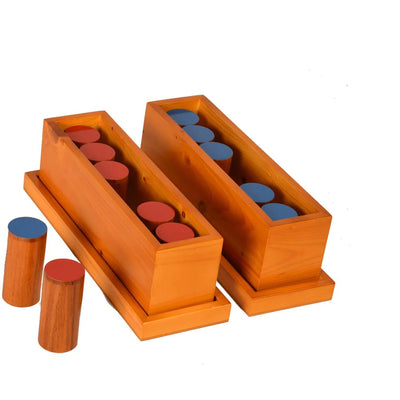
Visual and auditory stimulation forms the bedrock of early perception. Montessori educational toys like high-contrast mobiles (Munari, Octahedron) captivate infants, developing visual tracking and focus. As they grow, colour tablets refine visual discrimination, while sound cylinders and musical instruments introduce auditory differentiation and rhythm. These experiences help children decode their bustling Bengaluru surroundings, from auto rickshaw sounds to vibrant festival decorations.
Tactile: The Power of Touch for Early Tactile Play and Cognitive Growth
Tactile play is fundamental to learning, offering critical input about texture, temperature, and shape. Montessori's Sandpaper Letters and Numbers provide a multisensory approach to literacy and numeracy, allowing children to feel the form of each symbol. Fabric boxes and rough and smooth boards further refine tactile discrimination. Engaging with these materials through hands-on exploration, often seen in activity kits, is essential for fine motor development and cognitive connections, crucial for tasks from tying shoelaces to holding a pencil.
Olfactory & Gustatory: Discovering the World Through Scent and Taste Safely
The senses of smell and taste, though less directly addressed by traditional toys, are integral to a child's experience. Montessori education indirectly supports these through practical life activities involving food preparation and gardening, always under supervision. Smelling bottles can introduce children to various scents, while safe, mindful exploration of different tastes during meals, especially in a joint family setting, broadens their palate and understanding of their environment, like distinguishing the aroma of freshly made chai.
Vestibular: Cultivating Balance, Movement, and Confidence with Vestibular Activities
The vestibular system, located in the inner ear, governs balance, spatial awareness, and coordination. Montessori principles encourage movement and self-correction, fostering this sense. Activities like 'walking the line,' using balance beams (age-appropriate for 2-5 years), and simple rocking toys provide essential vestibular input. These vestibular activities are crucial for gross motor development, helping children move confidently, whether playing cricket in the park or participating in a school relay race, as envisioned for India's future generations.
Proprioceptive: Building Body Awareness and Coordinated Movement through Proprioceptive Input
Proprioception is the sense of our body's position and movement in space. It is developed through activities that provide deep pressure and resistance. Montessori practical life exercises, such as carrying a full pitcher of water, pushing a child-sized trolley, or scrubbing a table, offer significant proprioceptive input. These experiences build muscle strength, coordination, and body awareness, laying the groundwork for tasks like writing neatly, climbing stairs confidently, or navigating crowded family gatherings.
Interoceptive: Nurturing Inner Self-Regulation and Emotional Intelligence (0-5 Years)
Interoception is our sense of internal body states—hunger, thirst, discomfort, or excitement. While not a 'toy-based' sense, Montessori fosters interoception through its emphasis on self-care, independence, and mindful awareness. Providing quiet spaces, encouraging children to express their needs, and allowing them to participate in practical life tasks helps them tune into their body's signals, fostering self-regulation and emotional intelligence. This foundation supports their ability to manage future school pressures and understand their own well-being.
Choosing the Right Educational Toys for Your Child in India
Selecting appropriate kids learning toys for comprehensive sensory development is a thoughtful process for parents in India. Prioritise open-ended, natural materials that invite exploration and cater to multiple senses simultaneously. As Safdarjung Hospital's 'Umang Vatika' demonstrates the importance of safe, free play for children with disabilities, remember that quality sensory engagement benefits all children, providing a robust foundation for their unique developmental journeys. Focus on purposeful play that sparks curiosity and builds independence.
- All 8 senses (visual, auditory, tactile, olfactory, gustatory, vestibular, proprioceptive, interoceptive) are crucial for holistic child development from 0-5 years.
- Montessori educational toys are scientifically designed to provide precise, intentional sensory input, supporting integrated sensory development.
- The vestibular system, responsible for balance and movement, is stimulated through activities like walking lines and rocking, enhancing gross motor skills.
- Proprioceptive input, gained from activities involving pushing, pulling, and carrying, builds body awareness and fine motor control.
- Interoception, the sense of internal body signals, is nurtured through Montessori's focus on self-care and mindful independence.
- Providing rich, varied sensory experiences through carefully chosen learning materials helps children process information, regulate emotions, and confidently navigate their environment.
Why are 8 senses important for child development, not just 5?
Beyond the traditional five, the vestibular (balance), proprioceptive (body awareness), and interoceptive (internal body signals) senses are crucial for a child's physical coordination, self-regulation, and emotional understanding. Comprehensive stimulation of all eight senses ensures a more integrated and adaptable sensory system, leading to better overall development.
What is interoception and how can Montessori toys help develop it?
Interoception is the sense of our internal body state, like hunger, thirst, or discomfort. While not directly stimulated by traditional toys, Montessori's emphasis on practical life activities, self-care, and quiet observation helps children become more attuned to their body's signals and develop self-regulation from an early age.
Are Montessori toys suitable for children with sensory processing challenges?
Yes, Montessori educational toys are often highly beneficial for children with sensory processing challenges. Their structured, hands-on, and self-correcting nature provides clear sensory input, helping children to regulate and integrate sensory information effectively in a predictable and calming environment, supporting individual developmental needs.
How do educational toys provide proprioceptive input for toddlers?
Educational toys provide proprioceptive input through activities that involve pushing, pulling, lifting, and carrying. Materials like a small wagon to load and pull, or practical life activities involving pouring water and scrubbing, offer deep pressure and resistance, helping toddlers develop body awareness and motor control.
At what age should I introduce Montessori sensory toys to my child?
Montessori sensory toys can be introduced from infancy, with age-appropriate materials. For instance, visual mobiles are suitable from birth, while tactile materials like fabric boxes and sound cylinders can be introduced around 6-12 months. The key is to follow the child's natural developmental interests and provide stimulating, safe options.