Educational Toys for Sensory Development: A Parent's Guide
Choosing the right educational toys for your child's optimal sensory development is a cornerstone of early childhood learning, particularly for Indian parents navigating the foundational years from 0-5. These carefully selected materials are vital for stimulating all five senses and beyond, fostering crucial developmental pathways. To select the best educational toys, prioritise those that are age-appropriate, multi-sensory, open-ended, and adhere to safety standards, encouraging natural exploration and engagement.
For parents in Bengaluru and across India, understanding what constitutes effective sensory play can transform a child's early learning journey. The goal is to provide rich, varied experiences that build a strong foundation for cognitive, motor, and emotional growth.
What are Educational Toys for Sensory Development?
Educational toys for sensory development are specially designed tools that stimulate a child's senses through touch, sight, sound, smell, taste (when safe), movement (vestibular), and body awareness (proprioceptive). This matters because robust sensory input is critical for brain development, helping children make sense of their environment and develop essential skills. Indian parents can utilise these toys to provide engaging, purposeful play that supports holistic growth from infancy.
These toys move beyond simple entertainment, offering structured yet open-ended opportunities for children to explore and learn about the world around them. They are crafted to be engaging, safe, and effective tools in a child's developmental toolkit.
The Core Importance of Sensory Development in Early Childhood
Sensory development during the 0-5 year age bracket is profoundly important, acting as the bedrock for all future learning and skill acquisition. Research indicates that approximately 90% of a child's brain develops by age five, with sensory experiences playing a critical role in wiring these neural pathways. Every interaction a child has with their environment through their senses builds neural connections, influencing their ability to learn, problem-solve, and regulate emotions.
Child development experts agree that rich, varied sensory input helps children integrate information, refine motor skills, and develop spatial awareness. Without adequate sensory stimulation, children may face challenges in areas like fine motor skills, language acquisition, and social interaction. For Indian families, where early learning and holistic development are highly valued, investing in this aspect is crucial.
Key Sensory Systems Targeted by Educational Toys
Effective educational toys engage multiple sensory systems simultaneously, providing a holistic developmental experience. Maria Montessori's philosophy heavily emphasised sensory education, understanding that children learn by doing and experiencing. Here are the key systems:
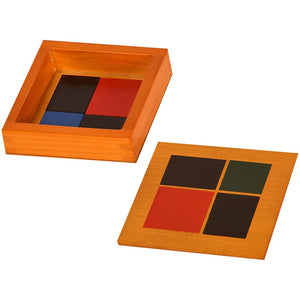
- Visual Sense: Toys with contrasting colours, varying patterns, and different sizes, like colourful blocks or stacking rings, stimulate visual tracking and discrimination.
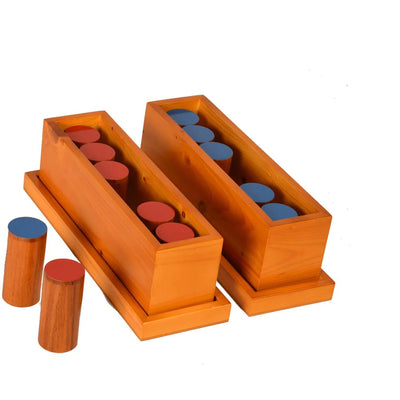
- Auditory Sense: Rattles, musical instruments, and sound boxes help children differentiate between sounds, understand rhythm, and develop listening skills.
- Tactile Sense: Textured balls, sandpaper letters, or fabric books offer diverse tactile experiences, crucial for understanding different surfaces and refining touch sensitivity.
- Proprioceptive Sense (Body Awareness): Pushing, pulling, lifting, and climbing toys engage muscles and joints, helping children understand their body's position in space. Heavy work activities and large blocks are excellent for this.
- Vestibular Sense (Balance & Movement): Swings, rocking horses, or balance beams help children process movement and gravity, essential for coordination and balance.
By offering toys that cater to these systems, parents empower their children to develop a robust sensory foundation.
Choosing Educational Toys for Sensory Development: Practical Criteria for Indian Parents
When selecting choosing educational toys for sensory development for your child, consider criteria that ensure both engagement and safety, especially within the context of Indian homes and family dynamics. The right toys can provide endless opportunities for growth and exploration.
- Age-Appropriateness: Always ensure the toy matches your child's developmental stage. A toy meant for an 18-24 month old will differ significantly from one for a 4-year-old. This ensures safety and prevents frustration.
- Multi-Sensory Engagement: Look for toys that appeal to more than one sense. A wooden block, for instance, offers visual appeal, a distinct texture (tactile), and a pleasant sound when stacked or dropped (auditory).
- Open-Ended Play: Toys that can be used in multiple ways, without a single right answer, foster creativity and problem-solving. Simple Montessori Method Learning Materials like nesting dolls or building blocks are perfect examples.
- Safety and Quality: Prioritise toys made from natural, non-toxic materials, free from small parts that could be choking hazards for younger children. Durability is key, especially in active Indian households.
- Montessori Principles: Toys that align with Maria Montessori's principles, such as self-correction, independent exploration, and fostering concentration, offer profound developmental benefits. These include items like the Pink Tower or practical life materials.
The rise of nature-inspired preschools, like those planned by UBIKA Learning across India, underscores the value of materials that connect children to natural elements, reinforcing the importance of thoughtful toy selection.
Best Educational Toys for Sensory Play (0-5 Years)
To support `sensory educational toys for toddlers` and preschoolers, consider these categories which are widely regarded as the `best educational toys for sensory play`:
- Infants (0-12 months): Soft fabric books with crinkly pages, high-contrast visual cards, rattles with varied sounds, and textured balls are ideal for early sensory exploration.
- Toddlers (1-3 years): Shape sorters, stacking cups, large interlocking blocks, activity cubes, and simple musical instruments are excellent. Our activityKits are specially curated to offer a range of sensory and fine motor skill development.
- Preschoolers (3-5 years): Puzzles with varying textures, play dough, sand and water play sets, art supplies like finger paints, and imaginative play sets (e.g., kitchen sets) encourage complex sensory engagement and cognitive growth.
Remember, the best toy is often the one that sparks genuine curiosity and sustained engagement, allowing the child to lead their own learning journey.
The Benefits of Educational Toys for Sensory Skills
The consistent use of well-chosen educational toys offers numerous `educational toys benefits for sensory skills`, impacting a child’s development across multiple domains. Studies on early childhood education consistently show that children exposed to a rich sensory environment develop enhanced cognitive abilities and problem-solving skills. This is particularly relevant as Indian families increasingly prioritise comprehensive early education.
These benefits extend beyond the immediate play experience:
- Enhanced Brain Development: Sensory input builds and strengthens neural pathways, improving memory, attention, and processing speed.
- Improved Motor Skills: From grasping rattles to manipulating play dough, toys refine both fine and gross motor coordination.
- Cognitive Growth: Toys that encourage exploration, sorting, and problem-solving lay the groundwork for logical thinking and academic readiness.
- Emotional Regulation: Sensory play can be calming and help children process emotions, reducing anxiety and frustration. Just as initiatives like Safdarjung Hospital’s ‘Umang Vatika’ provide safe play spaces for children with disabilities, all children benefit from environments that support their emotional well-being through play.
- Language and Social Skills: Describing textures, sounds, and actions during play expands vocabulary and encourages interaction with others, fostering crucial communication abilities.
By thoughtfully selecting educational toys, Indian parents empower their children with the tools for lifelong learning and well-being, building a strong foundation for their future success.
- Educational toys are crucial for stimulating a child's sensory systems from 0-5 years, foundational for brain development.
- Optimal toy selection prioritises age-appropriateness, multi-sensory engagement, and open-ended play.
- Montessori principles, focusing on purposeful and child-led exploration, enhance sensory learning.
- Research indicates that diverse sensory experiences build robust neural pathways, supporting cognitive and motor skills.
- Look for toys that target visual, auditory, tactile, proprioceptive, and vestibular senses for holistic development.
- Safety and quality, especially non-toxic materials, are paramount when choosing educational toys for children.