Educational Toys for Sensory Development in India's Child-Friendly Cities
Educational toys significantly enhance sensory development in children aged 0-5 years, even amidst India's transforming child-friendly cities. Research shows that these structured play tools provide controlled stimuli, refining senses like touch, sight, and hearing, thereby complementing the varied experiences children gain in urban environments like the parks emerging from the Urban95 Pune project. Indian parents can confidently integrate Montessori educational toys to build foundational sensory skills crucial for holistic growth, whether at home or during outings.
As urban landscapes across India evolve to become more supportive of young children and their caregivers – from the pioneering Urban95 Pune project to initiatives like Delhi's 'Umang Vatika' at Safdarjung Hospital providing inclusive play spaces – parents have an unprecedented opportunity. This guide explores how purposeful educational toys can complement these broader efforts, ensuring comprehensive sensory development for our little ones. From Bengaluru to Bharat, we are witnessing a shift towards creating environments where children can truly thrive, and SkilloToys.com is here to empower parents in this journey.
What is Sensory Development and Why it Matters for Indian Children?
Sensory development refers to how a child’s nervous system receives, interprets, and responds to sensory information from their environment. This critical process matters immensely because it forms the basis for learning, motor skills, social interaction, and emotional regulation, all vital for a child's future readiness for school and life in India. Studies indicate that robust sensory integration in early childhood can positively impact cognitive flexibility and problem-solving abilities later on.
For Indian parents, understanding sensory development is crucial. It’s not just about what children see or hear, but how their brains make sense of those inputs to navigate the world. From the vibrant colours of a festival to the intricate textures of a traditional fabric, Indian children are exposed to a rich tapestry of sensory experiences. Supporting this development proactively helps children process these stimuli effectively, preventing overstimulation or under-stimulation, and fostering a balanced, curious mind.
Educational Toys as Pillars of Sensory Growth at Home
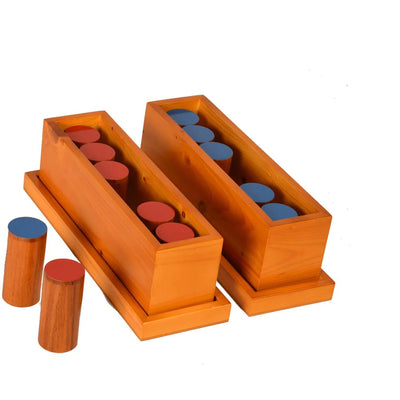
At home, especially within the supportive structure of Indian joint families, Montessori educational toys provide intentional sensory experiences that build strong foundations. These kids learning toys are designed to isolate specific sensory qualities, allowing children to focus and refine their perceptions. For instance, a set of sound cylinders helps differentiate between subtle auditory nuances, while fabric swatches engage the tactile sense with varied textures.
Consider the role of the Pink Tower, a classic Montessori material. It not only teaches visual discrimination of size but also refines a child's stereognostic sense as they handle and stack the blocks. Similarly, textured balls or grasping beads engage a baby's sense of touch and proprioception from a young age. These are not merely toys; they are tools that empower children to actively explore and understand their world through their senses. Grandparents, often central to a child’s early upbringing in India, can play a significant role in guiding this exploratory play, offering wisdom and patience.
Leveraging Child-Friendly City Initiatives for Enhanced Urban Play
The rise of child-friendly cities India-wide, exemplified by projects like Urban95 Pune focused on infants, toddlers, and caregivers, offers incredible new avenues for sensory exploration beyond the home. These initiatives create safer, more stimulating public spaces, from accessible parks to interactive learning zones. SkilloToys.com encourages parents to integrate educational play with these outdoor experiences.
Imagine taking a simple activity kit or a set of geometric blocks to a local park. Children can use these familiar Montessori materials to interact with natural elements – building a structure with leaves and twigs, or using a magnifying glass from an activity kit to observe insects. This form of urban play bridges the structured learning of Montessori with the dynamic, unpredictable sensory inputs of the outdoors. The news of initiatives like UBIKA Learning planning nature-inspired preschools across India further highlights this growing recognition of integrated, sensory-rich environments for young learners.
Age-Appropriate Montessori Toys for 0-5 Years
Maria Montessori, a pioneer in child education, emphasized the importance of age-appropriate materials that cater to a child's developmental stage. This principle is vital for effective sensory development:
- 0-12 Months: Infants benefit from visual mobiles (Munari, Octahedron), soft rattles that produce gentle sounds, and grasping toys with varied textures. These stimulate nascent senses without overwhelming them.
- 1-3 Years: As toddlers become more mobile and curious, introduce items like shape sorters, nesting dolls, and simple puzzles. These enhance fine motor skills, hand-eye coordination, and visual discrimination. Sensory bins filled with safe, natural materials (rice, lentils with supervision) offer wonderful tactile exploration.
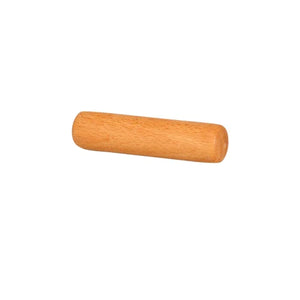
- 3-5 Years: Preschoolers thrive with materials like the Pink Tower, Broad Stair, Red Rods for visual and stereognostic senses, and Sandpaper Letters or Numbers for tactile-kinesthetic learning. Practical life activities, such as pouring water or buttoning frames, also refine sensory and motor skills, fostering independence crucial before entering formal schooling.
Child development experts agree that consistent, structured sensory input during these formative years builds strong neural pathways. This not only aids in developing cognitive abilities but also fosters emotional regulation, preparing children for the diverse challenges and opportunities presented in a bustling country like India.
SkilloToys.com: Your Partner in Holistic Child Development
At SkilloToys.com, India's leading Montessori educational toys store, Bengaluru, we are dedicated to providing parents with high-quality, scientifically-backed educational toys. Our selection is carefully curated to support every stage of sensory development from 0-5 years, empowering your child to explore, learn, and grow. We believe that by offering the right tools, we can help build a brighter future for every Indian child, aligning with the spirit of a developing nation and initiatives transforming our cities.
- Educational toys are vital for structured sensory development in young children (0-5 years).
- Child-friendly city initiatives like Urban95 Pune complement home-based sensory play.
- Montessori materials offer age-appropriate, purposeful sensory experiences across all domains.
- Engaging multiple senses through play strengthens cognitive, motor, and emotional regulation skills.
- Parents in India can integrate specific toys to enhance touch, sight, sound, and other sensory perceptions.
- Consistent, varied sensory input builds a strong foundation for future learning and adaptation to complex environments.
How do educational toys specifically aid touch and sight senses?
Educational toys like texture balls or nesting cubes provide varied tactile experiences and visual contrasts, respectively. These materials stimulate nerve endings and visual pathways, refining a child's ability to distinguish shapes, colours, and textures. This intentional interaction builds stronger neural connections essential for early learning.
Can Montessori toys be used outdoors in child-friendly city spaces?
Absolutely. Small, portable Montessori toys such as stacking rings or simple blocks can be taken to parks or community gardens. They encourage observation and interaction with natural elements, bridging structured play with the broader sensory inputs of outdoor urban environments. This enriches a child's experience beyond the home.
What is the ideal age to introduce sensory educational toys to a child in India?
Sensory educational toys can be introduced right from birth, starting with high-contrast mobiles and soft rattles for infants. As children grow, progress to grasping toys, shape sorters (1-2 years), and then more complex puzzles or practical life materials (3-5 years) to match their developing capabilities. Age-appropriateness is key for optimal engagement.
How do educational toys prepare children for Indian preschools?
Educational toys foster crucial pre-learning skills like fine motor control, concentration, problem-solving, and independence, which are highly valued in Indian preschools. Activities with these toys help children develop the readiness needed for structured learning environments, reducing adjustment challenges and supporting academic success. This provides a significant head start.
Are expensive educational toys always necessary for good sensory development?
Not at all; effective sensory development relies more on thoughtful interaction than cost. While quality Montessori materials offer distinct benefits, everyday items like fabric scraps, safe kitchen utensils, or nature's elements can also provide rich sensory experiences when guided by an engaged parent or grandparent. The key is consistent, varied exposure.