Educational Toys for Sensory Growth (0-5 Years)
Educational toys are fundamental in supporting a child's sensory development across every crucial stage from birth to five years, offering tailored stimuli that engage and strengthen their evolving senses. By providing age-appropriate experiences, these toys help build the neural connections vital for learning, motor skills, and understanding the world around them.
What is Sensory Development?
Sensory development is the process through which a child's brain learns to interpret and respond to information received through their senses – sight, sound, touch, taste, smell, balance, and body awareness. This foundational process is crucial because it shapes their understanding of the world, influencing learning, social skills, and emotional regulation. Indian parents can actively support this by providing age-appropriate stimuli and educational toys that encourage exploration and engagement.
Research shows that the first five years are a period of rapid brain development, with sensory experiences playing a critical role in wiring these connections. Child development experts, including Maria Montessori, emphasized the importance of a prepared environment rich with materials that naturally draw a child's senses into focused activity.
0-12 Months: Awakening the Senses with Toys for Babies Sensory
During their first year, babies are little explorers, primarily using their senses to map out their new world. Their vision, initially blurry, sharpens rapidly, and their tiny hands learn to grasp and explore textures.
- Visual & Auditory: High-contrast mobiles, soft rattles with gentle sounds, and unbreakable mirrors capture their attention. These help develop ocular motor control and auditory discrimination. Consider a simple wooden rattle from a Montessori collection, whose subtle sound encourages listening without overstimulation.
- Tactile & Proprioceptive: Soft cloths, textured balls, and natural wooden teethers offer varied sensations for their hands and mouths. The loving touch of a dadi's traditional oil massage, a common practice in Indian homes, provides invaluable proprioceptive input, enhancing body awareness and soothing the infant.
Studies indicate that babies who engage with diverse sensory inputs from a young age develop stronger cognitive abilities. Offering a variety of safe, clean objects to touch and mouth is essential, even simple household items like a silk scarf or a metal spoon (under strict supervision).
12-24 Months: Exploring the World with Toddler Sensory Toys
Toddlers are driven by a fierce independence and a desire to understand cause and effect. This age is characterized by developing gross motor skills – walking, climbing, and pushing – and refining fine motor coordination.
- Gross Motor & Vestibular: Push-pull toys, small ride-on vehicles, and climbing structures support their balance and spatial awareness. Think of a toddler gleefully pushing a wooden cart across the living room floor in a bustling joint family home, learning about momentum and direction.
- Fine Motor & Tactile: Stacking rings, simple shape sorters, and large building blocks refine hand-eye coordination and provide tactile feedback. Water play with different sized cups in a bucket on a balcony, or scooping lentils, are perfect activity kits for this age, offering rich tactile and proprioceptive experiences.
At this stage, toddlers are also beginning to categorize. Toys that involve sorting by colour or shape, like the Montessori knobbed cylinders, naturally support this budding cognitive skill through sensory discrimination.
2-3 Years: Hands-On Discovery with Preschool Sensory Activities
As language explodes, so does a preschooler's capacity for imaginative and structured play. They are refining their motor skills and beginning to engage in more complex problem-solving.
- Multi-Sensory & Practical Life: Playdough offers incredible tactile and creative sensory input, while sand and water tables provide endless opportunities for scooping, pouring, and exploring textures. Simple practical life activities, such as transferring beans with a spoon or buttoning large buttons, enhance fine motor skills and concentration.
- Auditory & Visual: Simple musical instruments like drums or xylophones encourage rhythm and auditory processing. Picture books with varied textures and lift-the-flaps engage visual discrimination and tactile exploration. Even preparing simple festive snacks, like shaping laddoos, can be a rich, multi-sensory family activity.
The spirit of community initiatives like 'Umang Vatika' at Safdarjung Hospital, providing safe play spaces for children, underscores the universal need for engaging environments where every child, including those with disabilities, can explore and develop their senses freely.
3-5 Years: Refinement & Connection through Sensory Play by Age
Children in this age band are moving towards more complex learning and social interactions. Their sensory system is becoming more integrated, allowing for abstract thought and fine-tuned motor control essential for school readiness.
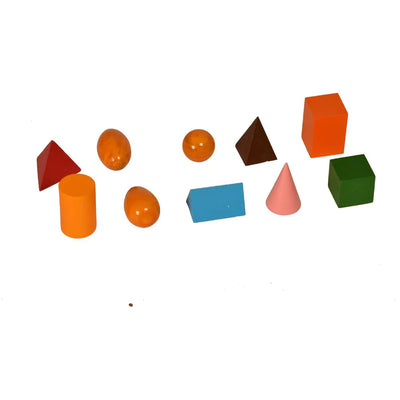
- Cognitive & Fine Motor: Materials like sandpaper letters and geometric solids, integral to the Montessori method, provide tactile input for learning pre-reading and pre-math concepts. Lacing beads or intricate puzzles further develop fine motor precision and problem-solving through visual and proprioceptive feedback.
- Creative & Social: Art supplies such as paints, crayons, and various craft materials offer tactile and visual sensory experiences, encouraging self-expression. Building complex structures with wooden blocks fosters spatial reasoning and often leads to collaborative play, especially with siblings or cousins in a joint family setting.
The ability to integrate different sensory inputs allows a 4-year-old to, for example, feel the shape of a letter with their fingers while simultaneously seeing it and hearing its sound, creating stronger memory pathways for learning.
Supporting your child's sensory journey from 0 to 5 years with thoughtful Montessori educational toys isn't about expensive gadgets; it's about providing quality, open-ended materials that invite exploration, discovery, and active engagement. Whether it's the simple joy of splashing water or the focused concentration of sorting coloured beads, every sensory experience builds a stronger, more capable child, ready to navigate the vibrant world around them.