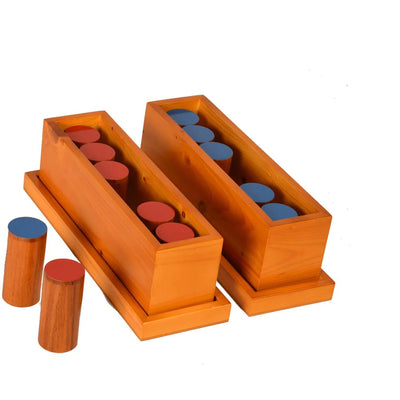
Educational Toys: Open-Ended Sensory Play Ideas 0-3 Years
Research shows that providing open-ended educational toys for babies and toddlers (0-3 years) is fundamental for optimal sensory development, fostering cognitive and motor skills essential for early childhood growth. These versatile materials are crucial for children to explore the world through their senses, building foundational understanding and promoting self-directed learning in a safe environment. They empower young minds to experiment and create.
Open-ended educational toys are materials that can be used in countless ways, without a single 'right' outcome. This matters because they empower children to lead their own play, stimulating creativity and developing critical thinking. Indian parents can choose these toys to foster curiosity and independent learning from a young age.
Why Open-Ended Educational Toys are Crucial for Early Sensory Development
Child development experts agree that the first three years are a period of rapid brain growth, where sensory experiences directly shape neural pathways. Engaging with diverse textures, sounds, sights, and movements through open-ended play helps children integrate sensory information, a process vital for everything from balance and coordination to focus and emotional regulation. This foundational period sets the stage for future learning and well-being.
Moreover, creating safe and stimulating environments for children to play freely is paramount. Just as initiatives like ‘Umang Vatika’ at Safdarjung Hospital provide dedicated sensory gardens for children with disabilities, homes can replicate this nurturing approach with thoughtfully chosen Montessori learning materials. These spaces allow all children, including those with varying needs, to explore without external pressure, fostering a sense of agency and joy in discovery.
Montessori Principles & Open-Ended Play for Babies (0-12 Months)
Maria Montessori's philosophy emphasizes observation and providing a 'prepared environment' that supports a child's natural curiosity. For babies, this means offering simple, safe, and stimulating objects that invite exploration through all senses. Open-ended toys align perfectly with this, allowing infants to grasp, mouth, shake, and observe, thereby building neural connections.
Baby Sensory Activities (0-6 Months)
For newborns and young infants, sensory play focuses on gentle stimulation and observation. Offer high-contrast black and white cards, soft fabric scarves for tummy time exploration, or a simple rattle made from a gherkin bottle filled with lentils. These activities stimulate visual tracking, auditory awareness, and early tactile experiences without overwhelming their delicate systems.
During this stage, babies primarily explore through their mouths and hands. Safe, non-toxic grasping toys and textured teethers are excellent. Gentle massages with natural oils, a common practice in Indian homes, also offer rich tactile input, connecting touch with comfort and bonding.
Sensory Play Ideas for 6-12 Months
As babies become more mobile and intentional, their desire to interact with their environment grows significantly. Introduce objects like wooden stacking rings, fabric blocks, or nesting cups. These encourage fine motor skills, object permanence, and understanding of cause and effect as they drop, stack, and retrieve items.
Creating a simple 'treasure basket' filled with safe, everyday objects – a wooden spoon, a smooth stone, a colourful bangle, a piece of soft velvet – provides a wealth of varied textures and shapes. Supervised play with these items allows for self-directed sensory input, fostering curiosity and early problem-solving skills.
Toddler Educational Toys & Sensory Play Ideas (1-3 Years)
Toddlers are bursting with energy and a growing sense of independence, making them keen explorers. Open-ended educational toys support their burgeoning cognitive and physical abilities, from developing fine motor precision to engaging in imaginative play. This stage is crucial for building vocabulary and understanding spatial relationships.
Sensory Exploration for 1-2 Year Olds
At this age, toddlers thrive on hands-on manipulation and sensory bins become invaluable. A simple sensory bin filled with dried chickpeas, scoops, and small animal figures offers endless opportunities for scooping, pouring, and imaginative play, enhancing fine motor skills and tactile discrimination. Always supervise closely to ensure safety.
Building blocks, large wooden beads for threading, and shape sorters are also excellent. Consider our range of activity kits that encourage sorting, matching, and early construction, providing a rich sensory experience that is both engaging and educational. These activities support hand-eye coordination and spatial reasoning.
Engaging 2-3 Year Olds with Open-Ended Toys
Two and three-year-olds are developing complex problem-solving skills and an active imagination. Introduce more intricate open-ended materials like Magna-Tiles, larger construction sets, or art supplies such as playdough and finger paints. These activities foster creativity, fine motor control, and imaginative storytelling.
Water play with cups, sponges, and small floating toys in a bucket can provide immense sensory satisfaction, especially during warm Indian summers. Similarly, outdoor exploration in a garden or park – feeling mud, picking leaves, observing insects – offers a natural and rich sensory diet that cannot be replicated indoors.
Choosing the Right Educational Toys for Sensory Development in India
When selecting educational toys for sensory development, Indian parents should prioritise safety, durability, and relevance to their child's stage. Look for toys made from natural materials like wood or cotton, which offer unique tactile feedback compared to plastic. Consider toys that can withstand enthusiastic play and potentially be passed down through a joint family.
It is important to remember that expensive doesn't always mean better. Many effective sensory tools can be found in everyday Indian homes – from a basket of colourful dupattas to pots and pans for sound exploration. The key is to offer variety, encourage exploration, and allow children the freedom to interact with materials in their own unique way, supporting their holistic growth rather than just academic pressure.
- Open-ended educational toys are vital for holistic sensory development in babies and toddlers (0-3 years).
- These toys align with Montessori principles, fostering child-led exploration and independent learning.
- Early sensory experiences significantly influence brain development, critical for cognitive and motor skills.
- Simple, everyday household items can provide rich sensory input, complementing purpose-built educational toys.
- Providing a safe, stimulating environment is as crucial as the toys themselves for optimal development.
- Choosing durable, natural materials for toys enhances tactile feedback and promotes sustainability.
What is an open-ended educational toy?
An open-ended educational toy is a versatile material that can be used in countless ways without a predefined outcome, encouraging creativity and independent thought. Unlike single-purpose toys, they adapt to a child's imagination and developmental stage.
How do open-ended toys support sensory development?
Open-ended toys inherently engage multiple senses through varied textures, shapes, and uses, allowing children to explore touch, sight, sound, and even proprioception. This self-directed exploration helps integrate sensory information, crucial for cognitive and motor skill development.
Are Montessori toys considered open-ended?
Yes, many Montessori learning materials are inherently open-ended, designed to encourage child-led exploration, concentration, and discovery. They often have a single purpose for skill development but allow for varied approaches and sensory engagement.
What are simple sensory activities for babies 0-6 months at home?
Simple activities include tummy time on a textured mat, gently rattling shakers made from household items like rice in a bottle, or exploring safe, high-contrast visual cards. These activities stimulate early visual, auditory, and tactile senses.
How can I incorporate open-ended play into a joint family setting?
In a joint family, designate a safe play area where children can access open-ended toys like blocks or scarves, encouraging interaction with grandparents and cousins. This fosters social skills and allows multiple generations to engage in child-led exploration together.