Educational Toys & Sensory Growth: A Guide (0-5 Years)
Educational toys are not merely playthings; they are foundational tools that comprehensively fuel a child's sensory development from birth to five years, laying crucial groundwork for their cognitive, emotional, and social growth. Research shows that early, rich sensory experiences are directly correlated with stronger brain architecture, impacting everything from language acquisition to problem-solving skills.
For parents in India, understanding this comprehensive role helps us move beyond simple entertainment to purposeful play. These curated materials offer deliberate opportunities for children to explore and integrate information from their environment, building neural pathways vital for navigating the vibrant, complex world around them.
What is Sensory Development and Why Does It Matter for Indian Children?
Sensory development is the critical process by which a child's brain learns to receive, interpret, and respond to information gathered through their senses. This isn't just about seeing or hearing; it encompasses how a child processes touch, balance, and body awareness, shaping their understanding and interaction with their environment.
This matters immensely in the Indian context. From the vibrant colours and sounds of a festival like Diwali to the distinct aromas of a home-cooked meal, our children are immersed in a rich sensory landscape. Robust sensory processing helps a child comfortably navigate crowded Bengaluru bazaars, learn multiple languages by distinguishing subtle phonetic differences, and even sit patiently for their grandparent's traditional bedtime stories.
Beyond the Five Senses: Holistic Development with Educational Toys
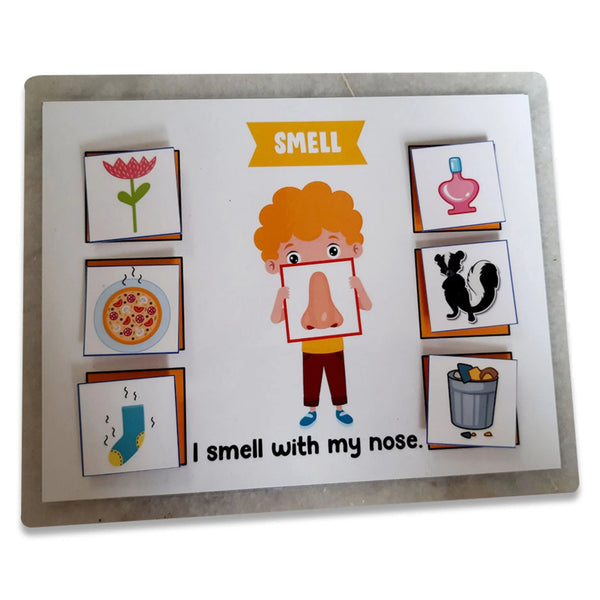
While we commonly speak of five senses, child development experts recognize eight: visual, auditory, tactile, olfactory (smell), gustatory (taste), vestibular (balance and movement), proprioceptive (body awareness), and interoception (internal body signals). Educational toys, particularly those rooted in Montessori principles, are uniquely designed to address this holistic range, offering children a complete "sensory diet".
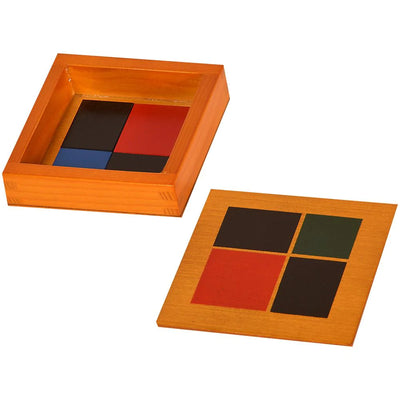
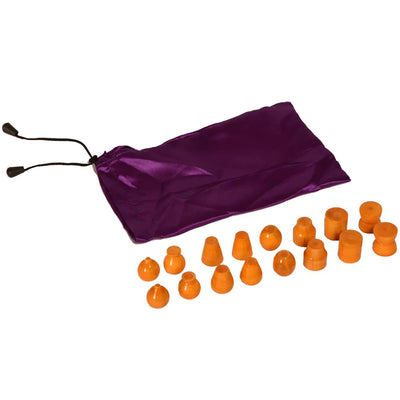
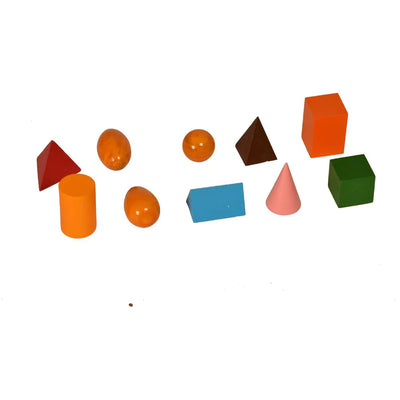
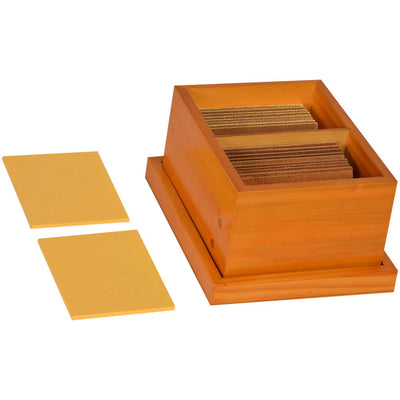
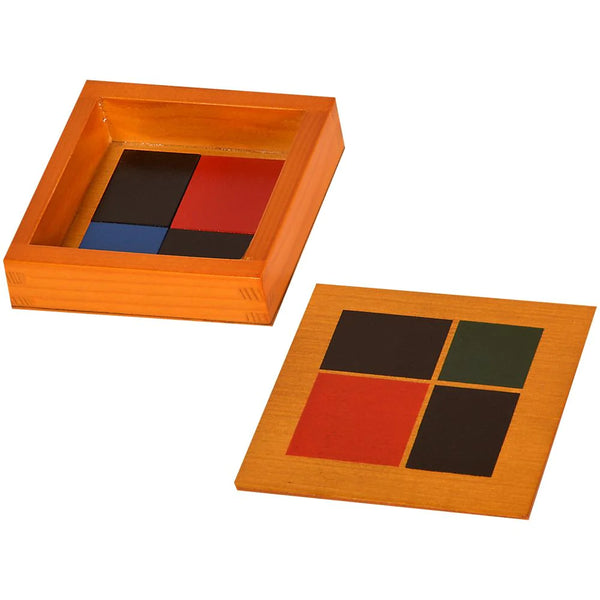
Maria Montessori, a pioneer in child education, emphasized that children learn through their senses. Her philosophy advocates for purposeful materials that allow children to isolate and refine individual sensory perceptions, fostering concentration and a deep understanding of the world. SkilloToys embraces this by offering a wide array of Montessori learning materials that cater to this comprehensive sensory growth.
Tactile & Proprioceptive: The Power of Touch and Body Awareness
The sense of touch (tactile) is fundamental, influencing how children perceive textures, temperatures, and pressure. Proprioception, often overlooked, is the sense of where our body parts are in space without looking, crucial for coordination and self-regulation. Research from the American Academy of Pediatrics suggests that ample opportunities for varied tactile and proprioceptive input are essential for healthy neurological development.
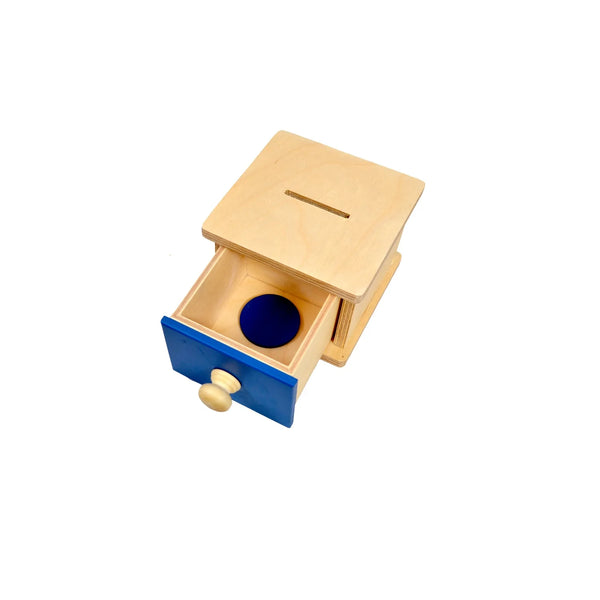
Think about the satisfying weight of a wooden block in a toddler's hand, the varied textures of a sensory ball, or the act of pouring water from one vessel to another. These activities, often found in educational toys like sorting boxes or textured puzzles, aren't just play; they are building vital neural pathways. Just as Indian grandmothers traditionally use warm oil for a baby's 'malish' – an intuitive practice of deep tactile and proprioceptive input – modern educational toys continue this legacy of deliberate sensory stimulation.
Visual & Auditory: Shaping Perception and Focus
From a baby's first fascination with high-contrast black and white cards to a preschooler differentiating between instrument sounds, visual and auditory senses are constantly developing. Educational toys like sound cylinders, musical instruments, and colour sorting games refine these senses, teaching discrimination and focus.
In a bustling Indian household, with its rich tapestry of sounds and sights, the ability to focus and filter sensory information is paramount. Toys that encourage listening for specific sounds or identifying subtle colour variations help children develop crucial attention spans and cognitive filtering skills, preparing them for classroom environments later on.
Vestibular & Fine Motor: Balance, Movement, and Control
The vestibular sense, located in the inner ear, governs balance, spatial awareness, and how we respond to movement. Activities that engage this sense, like rocking, spinning (safely), or using balance boards, help children develop confidence in their movements and a better sense of their body in space. Studies indicate that strong vestibular development correlates with improved concentration and reduced motion sickness.
Many activity kits and gross motor toys naturally integrate vestibular challenges, alongside refining fine motor skills. Manipulating small objects, threading beads, or fitting puzzle pieces together strengthens the small muscles in the hands and fingers, a crucial precursor for activities like holding a pencil for writing or buttoning up a kurta.
The SkilloToys Difference: Montessori Principles in Action
At SkilloToys, our collection is curated with a deep understanding of how children learn best – through active, self-directed exploration. Our educational toys are designed to be "sensory keys" that unlock specific developmental stages, providing just the right challenge without overwhelming the child.
We believe every child deserves the opportunity to develop their senses fully, preparing them not just for school but for life itself. By offering materials that are beautiful, purposeful, and child-safe, we empower parents to create environments that nurture intrinsic curiosity and comprehensive growth, reflecting the spirit of programs like Urban95 Pune, which aims to transform cities into infant, toddler, and caregiver-friendly spaces.
Integrating Educational Toys into Daily Life (0-5 Years)
Integrating educational toys into your child's daily routine doesn't require a dedicated playroom, especially in urban Indian flats. Simple steps can make a big difference:
- Create "Sensory Zones": Designate small, accessible areas for different types of play – a cozy corner for quiet tactile exploration, a mat for building blocks, or a spot for active movement.
- Involve the Family: Grandparents can engage toddlers with story-telling using puppets or singing traditional rhymes, stimulating auditory and imaginative senses. Festivals can be excellent opportunities to introduce new textures and colours through craft activities.
- Observe and Adapt: Watch how your child interacts with a toy. Are they drawn to its texture, its sound, or its movement? This observation helps you understand their current sensory preferences and developmental needs, guiding your next toy selection.
- Rotate Toys: Just like a balanced meal, a varied "sensory diet" is key. Rotate toys every few weeks to keep engagement high and introduce new sensory experiences without overstimulation.
Empowering Potential: Research-Backed Insights
The impact of early sensory development through educational toys is profound. The Harvard Center on the Developing Child highlights that positive, growth-promoting experiences in early childhood literally build a strong foundation for a child's brain architecture. This foundation supports higher-level functions, emotional regulation, and social competence throughout life.
By investing in quality educational toys and engaging purposefully with your child, you are not just buying a product; you are investing in their future potential. You are helping them develop the critical sensory processing skills needed to learn effectively, regulate their emotions, and confidently navigate the rich, stimulating world that awaits them.