Hindi Alphabets: Multi-Sensory Montessori Learning for Kids
Multi-sensory Montessori activities offer the most effective pathway for 0-5 year olds to learn Hindi alphabets (Varnamala) by engaging multiple senses simultaneously, ensuring deeper retention and natural understanding. Child development experts agree that early, tactile engagement with language fosters robust cognitive pathways, making the complex script of Hindi accessible and enjoyable for young Indian learners. This approach also aligns with initiatives like Umang Vatika at Safdarjung Hospital, which recognizes the vital role of sensory-rich environments in child development.
Multi-sensory Hindi alphabet learning integrates sight, sound, touch, and movement to introduce Varnamala concepts. This matters because it caters to diverse learning styles and strengthens neural connections, leading to comprehensive language acquisition. Indian parents can implement these methods at home with simple, engaging materials, turning everyday play into powerful learning opportunities.
For many Indian parents, introducing children to their mother tongue, particularly the beautiful but intricate Hindi Varnamala, is a cherished goal. With the increasing pressure of early schooling, finding a method that is both effective and nurturing is key. The Montessori approach, with its emphasis on hands-on, sensory exploration, provides a perfect framework for teaching hindi alphabets naturally and joyfully to children aged 0-5 years. This method doesn't just teach letters; it builds a love for language and strengthens crucial fine motor skills, much like the "5 fun tricks to supercharge fine motor skills" discussed by The Times of India.
Why Multi-Sensory Learning is Essential for Hindi Varnamala
Child development research consistently shows that young brains learn best through concrete experiences before moving to abstract concepts. For Hindi Varnamala, this means children benefit immensely from seeing, touching, hearing, and even moving with the letters. Maria Montessori, the pioneer of this educational philosophy, understood that engaging multiple senses creates stronger neural pathways, making learning more profound and lasting. Studies indicate that children exposed to multi-sensory learning environments can retain information up to 80% more effectively than through visual-auditory methods alone. This foundational understanding is crucial for mastering the unique curves and strokes of Hindi.
Engaging Activities to Teach Hindi Alphabets (0-2 Years)
Even before formal recognition, infants and toddlers can begin their sensory hindi learning journey. For babies, simply listening to grandparents recite Hindi poems or singing traditional lullabies builds crucial phonological awareness. As they grow, tactile exploration becomes vital.
- Finger Tracing in Sensory Bins: Fill a shallow tray with sand, semolina (suji), or even rice. Gently guide your child's finger to trace large Hindi letters you draw. This provides a delightful tactile experience and introduces the shapes of the hindi alphabets in a low-pressure way.
- Fabric Letters: Cut out large Hindi letters from different textured fabrics like velvet, felt, or coarse cotton. Let your child touch, feel, and explore these varying textures. This activity engages their sense of touch while introducing letter shapes.
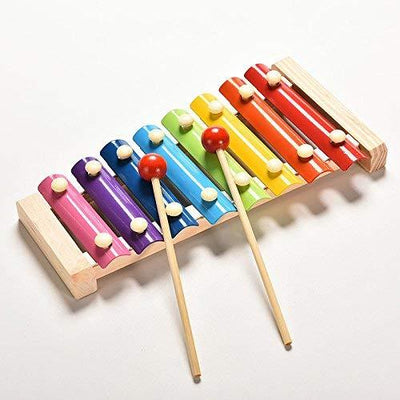
- Hindi Sound Exploration: Introduce one sound at a time (e.g., "अ" as in "अमरूद"). Point to objects starting with that sound, encouraging repetition. Incorporate playful hindi alphabet toys that are large and easy to grasp, promoting early recognition and fine motor development.
For more ideas on early learning, explore our collection of activityKits designed for young explorers.
Montessori Hindi Activities for 2-5 Year Olds
As children develop more control and curiosity, we can introduce more structured montessori hindi activities that deepen their understanding of hindi varnamala. These activities bridge the gap between concrete sensory input and the abstract concept of written language.
- Sandpaper Hindi Letters: This classic Montessori material is indispensable. Children trace the rough sandpaper letter with their fingers while simultaneously saying its sound. This three-part lesson (name, sound, form) solidifies the connection between the letter's visual shape, its tactile feel, and its phonetic sound.
- Movable Hindi Alphabets: Once familiar with individual sounds, children can use movable wooden or foam Hindi alphabet sets to form simple words. This allows them to experiment with word construction without the frustration of handwriting, focusing purely on letter sequencing and sounds.
- Playdough Hindi Alphabets: Encourage children to roll out playdough "snakes" and form Hindi letters. This activity significantly strengthens fine motor skills and hand-eye coordination, essential for future writing. The kinesthetic engagement helps embed the letter shapes in their memory.
- Hindi Alphabet Matching Games: Create cards with Hindi letters and corresponding pictures of objects starting with that letter (e.g., "अ" with "अनार"). Children can match them, enhancing visual discrimination and vocabulary.
Dive deeper into a world of purposeful play with our comprehensive Montessori materials, crafted to inspire independent learning.
Creating a Rich Sensory Hindi Learning Environment at Home
The home environment, especially in a bustling Indian joint family, offers countless opportunities for sensory hindi learning. Consistency and a joyful approach are far more effective than intense, pressured lessons.
- Integrate into Daily Life: Point out Hindi letters on signage during walks, in books, or even on food packaging. Make it a natural part of conversation.
- Grandparent Engagement: Grandparents often love to share stories, songs, and traditional tales in Hindi. Their gentle guidance and storytelling provide invaluable language exposure and cultural connection, making learning feel organic and loved.
- Dedicated Learning Space: Designate a small, inviting corner with books, hindi alphabet toys, and a comfortable mat. This doesn't need to be elaborate; it just needs to be accessible and encouraging. Remember, the goal is not to "teach" in the traditional sense, but to provide a stimulating environment where children can "absorb."
- Celebrate Progress: Acknowledge every effort, no matter how small. A child proudly identifying an "क" or attempting to trace "अ" deserves genuine praise, fostering confidence and a lifelong love for learning Hindi.
Early exposure to Hindi alphabets through multi-sensory Montessori activities empowers children to develop strong language foundations, cognitive skills, and a deeper connection to their cultural heritage. By providing engaging, hands-on experiences, Indian parents can ensure their little ones embrace hindi varnamala with enthusiasm and ease, preparing them for a lifetime of learning.
- Multi-sensory Montessori is the most effective method for teaching Hindi alphabets to 0-5 year olds.
- Engaging multiple senses (sight, sound, touch, movement) significantly improves information retention and understanding of Hindi Varnamala.
- Early exposure to Hindi through playful, hands-on activities builds strong cognitive pathways and fine motor skills.
- Classic Montessori materials like sandpaper letters are invaluable for introducing Hindi characters in a tactile way.
- Creating a rich home environment with hindi alphabet toys and integrating language into daily routines fosters natural learning.
- Indian parents can empower their children with Hindi literacy by focusing on joyful, pressure-free, and sensory-rich learning experiences.
At what age should I start teaching Hindi alphabets?
You can begin introducing Hindi alphabets through sensory play as early as infancy, focusing on sounds and tactile experiences. Formal recognition typically starts around 2-3 years, aligning with a child's natural readiness for structured learning.
What are the best multi-sensory activities for Hindi Varnamala?
The best activities involve touch (sandpaper letters, tracing in sand), sound (rhymes, songs), sight (flashcards, visual aids), and movement (forming letters with playdough, body movements). Integrating these elements makes learning more engaging and effective for children.
How can I make learning Hindi alphabets fun at home?
Make it play-based, not prescriptive. Incorporate Hindi alphabet toys, sensory bins with letters, singing Hindi rhymes, and telling stories. Keep sessions short, positive, and follow your child's lead to maintain their natural curiosity and enjoyment.
Are Montessori methods effective for learning Hindi Varnamala?
Yes, Montessori methods are highly effective for Hindi Varnamala because they emphasize hands-on, self-directed learning and sensory engagement. Materials like sandpaper letters and movable alphabet sets are perfectly suited for understanding the unique shapes and sounds of Hindi characters.
Where can I find quality Hindi alphabet toys in India?
SkilloToys.com offers a curated selection of high-quality, child-safe Hindi alphabet toys and Montessori materials designed to support multi-sensory learning. Look for durable wooden letters, tracing boards, and educational activity kits that encourage tactile exploration and early literacy.