Inclusive Sensory Play at Home: Umang Vatika's Lesson
Creating an enriching environment for inclusive sensory play at home is vital for every child's development, especially as initiatives like Delhi's 'Umang Vatika' highlight the importance of accessible spaces. This public sensory garden offers children with disabilities a safe haven to explore and learn, serving as a powerful inspiration for Indian parents to craft similar beneficial zones within their own homes.
Inclusive sensory play involves designing activities and environments that cater to the diverse developmental needs of all children, engaging their senses in meaningful ways. This matters because a rich sensory environment supports cognitive, physical, and emotional growth, particularly for children with varied abilities. Indian parents can adapt this concept by creating accessible and stimulating sensory corners, fostering development for every child.
Umang Vatika's Inspiration: Building Sensory Havens for All Children
The recent opening of 'Umang Vatika' at Safdarjung Hospital, specifically designed for children with disabilities, sends a clear message about the profound impact of thoughtfully prepared sensory spaces. This innovative garden allows children to engage freely with different textures, sounds, and visual stimuli, fostering independence and joy. Its success underscores the universal need for environments where every child, regardless of ability, can thrive.
Maria Montessori's philosophy has long championed the 'prepared environment,' which extends perfectly to creating inclusive spaces. She believed that children learn best when their surroundings are tailored to their developmental needs, allowing them to explore and discover at their own pace. Drawing inspiration from Umang Vatika, we can translate these principles into practical, accessible sensory zones within Indian homes, ensuring our children receive comprehensive stimulation.
The Benefits of Sensory Play for Diverse Needs in India
Research shows that engaging multiple senses significantly enhances brain development and learning, particularly during the crucial 0-5 age range. For children with diverse needs in India, sensory play is not just fun; it's a therapeutic tool that helps in regulating emotions, improving fine and gross motor skills, and developing problem-solving abilities. Child development experts agree that regular sensory engagement can reduce anxiety and improve focus.
In the vibrant, often bustling Indian household, providing dedicated sensory experiences can offer a calming retreat and a focused learning opportunity. Studies indicate that early intervention through sensory activities can lead to significant improvements in communication and social skills, empowering children to participate more fully in family life and community. This approach aligns perfectly with the nurturing environment typically found in Indian joint families, where collective care fosters holistic growth.
Consider the joyful chaos of festivals or the quiet moments with grandparents; each interaction offers a chance for sensory exploration. From the feel of rangoli powder to the taste of home-cooked sweets, our daily lives are rich with sensory input. Guiding children to mindfully explore these sensations builds neural pathways and strengthens their understanding of the world around them.
Montessori Inclusive Play Ideas: Crafting Sensory Zones for Kids
Creating sensory zones for kids at home doesn't require elaborate setups; it demands creativity and an understanding of what stimulates different senses. Begin by dedicating a small, safe corner of your home, perhaps in the living room or a child's bedroom, that is easily accessible and free from clutter. This dedicated space signals to your child that it is a place for focused exploration.
For tactile exploration, consider a 'sensory bin' using household items. Fill a large tub with dried rice, lentils, or even colourful fabric scraps from old sarees and dupattas. Add small scoops, cups, and natural elements like pebbles or leaves for scooping and pouring activities. These simple setups, often found in our homes, provide rich tactile experiences, enhancing fine motor skills and hand-eye coordination.
Visual sensory stimulation can be introduced through contrasting colours, reflective surfaces like a small mirror, or simple light-up toys. For auditory experiences, provide various safe items that make different sounds – ghungroos (ankle bells), shakers filled with beans, or even a small tabla drum. Remember to introduce one or two new elements at a time to avoid overwhelming your child.
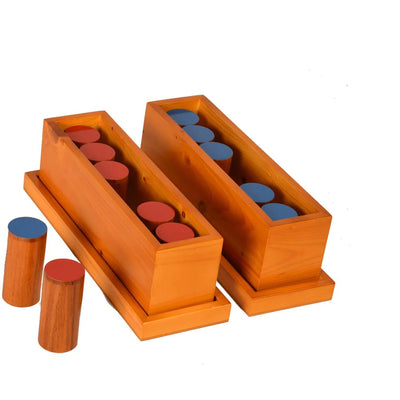
SkilloToys offers a wide range of Montessori-inspired activityKits that are perfect for developing sensory skills. For instance, our practical life activity sets encourage children to engage with different textures and shapes, promoting independence. Additionally, our Montessori method learning materials are designed with specific sensory appeals, such as the smooth feel of wooden blocks or the varied weight of stacking objects, which are inherently inclusive in their design.
Creating a Calm Corner for Emotional Regulation
Beyond active play, an inclusive sensory zone can also include a 'calm corner' or 'shanti sthal.' This quiet space can feature soft cushions, dim lighting, and calming sensory tools like weighted blankets or stress balls. This helps children, especially those who might get overstimulated by the general hustle and bustle of an Indian home, to self-regulate and find peace.
Encourage the use of natural materials whenever possible, as they offer a wide range of sensory input. Think about a basket of pinecones, smooth stones, or even different types of Indian spices (supervised, of course, for smell and texture exploration). These elements are readily available and connect children to their natural environment, fostering a deeper sense of awareness and appreciation.
Supporting Holistic Development with SkilloToys
At SkilloToys.com, we believe every child deserves the opportunity to learn and grow in a supportive environment. Our Montessori-inspired educational toys are carefully curated to facilitate natural learning through sensory exploration, fine motor development, and cognitive challenge. We empower parents across India to create 'prepared environments' at home that cater to all children, drawing inspiration from initiatives like Umang Vatika.
By integrating thoughtful sensory experiences into daily routines, Indian parents can significantly contribute to their children's holistic development. This proactive approach ensures that every child, with their unique set of abilities and needs, feels valued, understood, and equipped to reach their full potential. Let's build a future where inclusive play is not just an ideal, but a tangible reality in every home.
- Inclusive sensory play environments, inspired by 'Umang Vatika,' are crucial for the holistic development of all children, particularly those with diverse needs.
- Research indicates that engaging multiple senses significantly enhances brain development and supports learning in children aged 0-5.
- Montessori principles, such as the 'prepared environment,' advocate for creating accessible, child-centred spaces that promote self-directed learning and cater to individual developmental paces.
- Simple, low-cost sensory zones can be created at home using everyday Indian household items like dried pulses, fabric scraps, and natural materials.
- Sensory play helps children in India with emotional regulation, improved motor skills, and enhanced cognitive function, fostering independence and confidence.
- Dedicated 'calm corners' within home sensory zones provide a safe space for children to self-regulate and find peace amidst the sensory input.
What is inclusive sensory play?
Inclusive sensory play refers to activities and environments designed to engage all senses, catering to the diverse developmental needs and abilities of every child. It ensures that children of varying physical, cognitive, and sensory processing abilities can participate, learn, and grow together.
How does Umang Vatika inspire home sensory zones?
Umang Vatika inspires home sensory zones by demonstrating the profound impact of dedicated, accessible sensory environments on children with diverse needs. It encourages parents to integrate elements like varied textures, sounds, and visual stimuli into their homes, promoting independent exploration and development for all.
What are the benefits of sensory play for children in India?
Sensory play offers numerous benefits for children in India, including enhanced cognitive development, improved motor skills, better emotional regulation, and increased social interaction. It is particularly crucial in supporting children with diverse needs, fostering their self-confidence and independence within a supportive home environment.
How can I create a low-cost sensory zone at home?
Creating a low-cost sensory zone at home can be achieved using everyday items such as fabric scraps, natural materials like rice or lentils for bins, homemade musical instruments, and different-textured Indian spices. The key is to offer varied sensory experiences safely and accessibly, ensuring all children can engage without extensive spending.
What Montessori principles apply to inclusive sensory play?
Maria Montessori's principles of a 'prepared environment' and 'education of the senses' are fundamental to inclusive sensory play. These emphasize creating an accessible, stimulating, and child-centred space that allows for self-directed learning and caters to individual developmental paces and needs, supporting every child's innate curiosity.
Are sensory bins safe for babies and toddlers?
Sensory bins are safe for babies and toddlers when properly supervised and designed with age-appropriate materials. For younger children, ensure all items are non-toxic, too large to be a choking hazard, and easily cleaned. Parental supervision is always crucial to prevent ingestion of small parts.