Inclusive Sensory Play for Children with Disabilities at Home
Fostering truly enriching inclusive sensory play for children with disabilities at home is a powerful way for Indian parents to support their child's holistic development from 0-5 years. This approach ensures that every child, irrespective of their unique abilities, has access to stimulating environments that promote learning and growth, mirroring the spirit of inclusive spaces like Umang Vatika and addressing the challenges public spaces sometimes present.
Inclusive sensory play is a method of designing play experiences that are accessible and beneficial for all children, including those with disabilities, by engaging their senses in varied and adaptable ways. This matters immensely because it fosters cognitive, physical, and emotional development in a supportive environment. Indian parents can actively create these vital spaces at home, transforming everyday moments into opportunities for growth and connection.
The Montessori Philosophy for Every Child
Maria Montessori's educational philosophy is inherently inclusive, recognizing the unique potential within every child. Her approach emphasizes individualized learning, self-correction, and a prepared environment that caters to a child's natural curiosity and developmental pace. Child development experts agree that this child-led methodology is particularly effective for children with disabilities, allowing them to engage with materials in ways that best suit their sensory processing and motor skills.
Research shows that children thrive when given freedom within limits, and this holds true for children with special needs. A Montessori-inspired environment provides structured choices that prevent overstimulation while offering ample opportunities for exploration. This focus on independence and respectful observation empowers both the child and the parent in their developmental journey.
Creating an Accessible Home Play Space
An accessible play space at home doesn't require extensive renovations; it requires thoughtful consideration and a touch of creativity. For Indian families, often living in joint family setups or smaller homes, simplicity and adaptability are key. Ensure pathways are clear and uncluttered, allowing for easy movement, whether a child uses mobility aids or not.
Arrange toys and materials at heights easily reachable from sitting or standing positions. Utilize low shelves or floor mats to define play areas. A calm, inviting atmosphere, free from excessive visual or auditory distractions, is crucial for children with sensory sensitivities. Remember, the goal is to create an environment where the child feels competent and capable, inspiring them to explore freely.
Selecting Sensory Toys for Children with Special Needs
Choosing appropriate sensory toys is foundational to inclusive play. Focus on items that offer varied textures, sounds, and visual stimuli without being overwhelming. Open-ended toys that can be used in multiple ways are ideal, as they encourage imagination and adaptation. For example, simple wooden blocks can be stacked, sorted, or used to create tactile patterns.
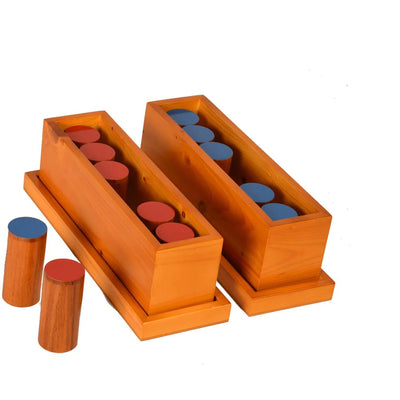
Consider items that promote cause-and-effect learning, such as shakers, musical instruments, or pop-up toys. Activity Kits that focus on specific skills like pouring, scooping, or sorting are excellent. SkilloToys offers a wide range of Montessori learning materials, including texture boards, sorting trays, and sound cylinders, which are perfect for engaging different senses. These materials are designed to isolate concepts and provide hands-on learning, which is particularly beneficial for children with diverse learning styles.
Montessori Activities for Children with Disabilities at Home
Integrating Montessori-inspired activities into daily routines can significantly boost early childhood development. These activities, often simple and practical, can be adapted for children aged 0-5 with various disabilities. The Unicef initiative promoting early childhood development in Bihar highlights the importance of such engagement, and parents can replicate this at home.
Practical Life Activities
Practical life activities build independence and fine motor skills. For a child with limited mobility, adapt tasks like transferring items (pom-poms, beans) with large tongs or spoons, pouring water from small pitchers, or wiping surfaces with a damp cloth. These activities enhance concentration and coordination. The Times of India recently featured '5 fun tricks to supercharge fine motor skills,' many of which align perfectly with Montessori's practical life exercises, like squeezing sponges or tearing paper.
Sensory Exploration Bins
Create sensory bins filled with materials like rice, lentils, dried pasta, water beads, or sand. Add scoops, small cups, and various textured objects for exploration. These bins offer tactile input and can be calming or stimulating depending on the child's needs. Ensure the materials are safe and non-toxic, especially for children who might put things in their mouths.
Sound and Music Play
Introduce simple musical instruments like shakers, drums, or xylophones. Encourage rhythmic clapping, singing, and listening to different types of music. This supports auditory processing, rhythm, and communication skills. Even a set of kitchen utensils can become a fun, percussive orchestra!
Visual Tracking and Discrimination
Utilize high-contrast cards for infants, tracking colourful objects, or sorting activities based on colour, shape, or size for toddlers and preschoolers. The Montessori 'pink tower' or 'broad stairs' (simplified versions can be made at home) are excellent for visual discrimination and understanding dimensions. Use large, easy-to-grasp pieces if fine motor skills are still developing.
Incorporating Daily Routines for Development
Everyday activities in an Indian home offer countless sensory learning opportunities. During meal prep, let your child touch and smell different spices or vegetables. Involve them in folding laundry (feeling different fabrics) or watering plants (touching soil, water). During bathing, explore water temperature, textures of sponges, and the sounds of splashing. These real-life experiences are incredibly rich for sensory integration.
Empowering Parents and Caregivers
The journey of parenting a child with disabilities is unique and requires immense patience and love. Remember that you are your child's first and most important teacher. Celebrate small victories, adapt activities as needed, and trust your instincts. Creating an inclusive sensory environment is a marathon, not a sprint, and your efforts make a profound difference. Seek support from local communities, therapists, and fellow parents. SkilloToys is here to support you with resources and carefully curated educational materials that honour every child's potential.
- Inclusive sensory play for children with disabilities is crucial for holistic development (0-5 years).
- Montessori principles offer a naturally supportive and individualized approach for children with diverse needs.
- Accessible home environments do not require extensive modifications, focusing on clear spaces and reachable materials.
- Open-ended, multi-sensory toys are ideal for stimulating various senses without overwhelming.
- Everyday household activities can be transformed into rich sensory learning experiences.
- Early intervention and consistent engagement through inclusive play significantly enhance a child's developmental trajectory.
What is inclusive sensory play?
Inclusive sensory play involves creating play experiences that are accessible and beneficial for all children, including those with disabilities, by engaging their senses in varied and adaptable ways. It focuses on individual needs and fosters a sense of belonging and successful interaction for every child.
How can Montessori principles support children with disabilities?
Montessori principles, such as individualized learning, prepared environments, and hands-on exploration, naturally support children with disabilities by allowing them to learn at their own pace and through self-directed activity. This approach builds confidence and develops skills tailored to their unique abilities.
What types of sensory toys are best for children with special needs?
The best sensory toys for children with special needs are open-ended, allow for multi-sensory exploration (touch, sight, sound), and can be adapted to various developmental levels. Examples include texture boards, sensory bins, simple puzzles, musical instruments, and materials that offer varied resistance or weight.
How can I make my home play space accessible?
Making your home play space accessible involves ensuring clear pathways, organizing materials at reachable heights, providing stable seating options, and using non-slip surfaces. Prioritize simplicity and offer a calm, uncluttered environment where every child can move and interact freely without obstacles.
What are some simple Montessori activities for fine motor skills development?
Simple Montessori activities for fine motor skills include pouring water from small pitchers, transferring beans with tongs or spoons, stringing large beads, working with playdough, and engaging with dressing frames or buttoning activities. These tasks build hand-eye coordination and strengthen small muscles in a purposeful way.