Inclusive Sensory Play for Children with Disabilities at Home
Creating an inclusive sensory play environment at home for children with disabilities (0-5 years) is essential for their holistic development, offering a space where they can explore, learn, and grow safely. This approach ensures that every child, irrespective of their unique needs, can benefit from rich sensory experiences crucial for brain development and skill acquisition. Inspired by the recent opening of 'Umang Vatika' at Safdarjung Hospital, parents in India can adapt these groundbreaking principles to foster growth and joy right in their own living spaces.
The 'Umang Vatika' sensory garden, a beacon of hope at Delhi's Safdarjung Hospital, allows children with disabilities to play freely and safely, offering diverse sensory stimuli from visual art installations to mud pits. Child development experts agree that such environments are vital for neurodivergent children and those with special needs. They provide controlled exposure to different textures, sounds, sights, and movements, which can significantly aid sensory integration and cognitive development.
What is Inclusive Sensory Play for Children with Disabilities?
Inclusive sensory play for children with disabilities involves designing activities and spaces that accommodate their unique sensory profiles, ensuring they can engage comfortably and effectively. This matters immensely because tailored sensory input helps regulate the nervous system, improve motor skills, enhance cognitive function, and foster emotional well-being. Indian parents can proactively create such enriching environments at home by understanding their child's specific needs and adapting everyday items or selecting appropriate educational tools.
Drawing Inspiration from 'Umang Vatika': A Blueprint for Home
The success of 'Umang Vatika' at Safdarjung Hospital highlights the profound impact of dedicated, accessible play spaces. This innovative garden allows children to experience various sensory inputs in a secure setting, promoting free exploration. Parents can emulate this by designating a specific corner or room in their home as a 'mini Umang Vatika', focusing on freedom of movement and diverse sensory elements. This approach transforms a regular home into a dynamic learning landscape, where every child feels seen and supported.
Research shows that multi-sensory engagement improves learning outcomes and reduces anxiety in children with sensory processing differences. By thoughtfully curating a space, perhaps even a balcony or a quiet corner of a joint family home, parents can replicate the principles of 'Umang Vatika'. This means integrating elements that stimulate touch, sight, sound, and movement, while always prioritizing safety and accessibility for their child's specific abilities.
Designing a Safe Play Space at Home for Every Child
Creating safe play spaces at home is the foundational step for any sensory environment, particularly for children with disabilities. This involves meticulous child-proofing, ensuring all materials are non-toxic, and eliminating any potential hazards like sharp edges or small, ingestible parts. Supervision remains paramount, but a well-designed space allows for greater independence, empowering children to explore without constant intervention.
Child development experts emphasize the importance of a 'prepared environment', a core Montessori principle, where everything is accessible and orderly. This means organizing Montessori materials and sensory tools in a predictable manner, at the child's height. Such order not only enhances safety but also fosters concentration and self-directed learning, allowing children to choose activities that resonate with their current developmental stage.
Montessori for Special Needs: Tailoring Sensory Experiences
Maria Montessori's philosophy, with its emphasis on hands-on learning and individualized pace, is remarkably adaptable for children with special needs. Montessori for special needs focuses on presenting activities in a structured way that allows children to isolate and master specific skills through their senses. For instance, using the Sandpaper Letters provides tactile and visual input for language development, while the Pink Tower aids in visual discrimination of dimensions.
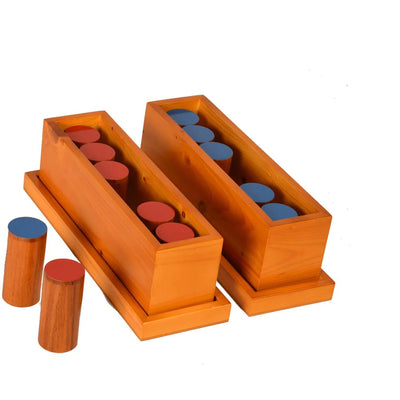
Educational toys for children with disabilities should be chosen for their ability to provide clear sensory feedback and encourage repeated engagement. SkilloToys offers a range of Montessori-inspired materials that can be easily adapted. For example, textured blocks or sound cylinders can be used to develop tactile and auditory discrimination, crucial for many neurodivergent children. These materials are designed to be self-correcting, promoting a sense of accomplishment and reducing frustration.
Engaging All Senses: Activities for Neurodivergent Children
Sensory play for neurodivergent children should target a broad spectrum of senses to support integration and development. Beyond the traditional five, incorporating proprioceptive (body awareness) and vestibular (balance and movement) activities is vital. Simple activities like pushing a heavy box, crawling through a tunnel, or swinging can provide much-needed input for these senses.
Consider creating a 'sensory bin' with varying textures like rice, lentils, fabric scraps, or water beads. Add small scoops and containers to encourage fine motor skills. SkilloToys' activity kits often contain components that can be integrated into such bins. Incorporating aromatherapy with mild, child-safe scents or introducing different food textures during supervised snack times can further enhance sensory exploration, making everyday routines opportunities for development.
Creating a Mini Sensory Garden at Home: Simple Ideas
You don't need a sprawling lawn to create a 'sensory garden at home ideas' space. Even a small balcony or a windowsill can be transformed. Plant fragrant herbs like tulsi or mint for olfactory stimulation. Add wind chimes for gentle auditory input. Incorporate various potted plants with different leaf textures – soft, fuzzy, smooth – for tactile exploration. Small, child-safe watering cans can engage fine motor skills and provide a sense of responsibility.
Encourage digging in a small pot of soil with safe tools, allowing children to feel the earth and engage with nature. This mini garden becomes a calming and stimulating haven, much like 'Umang Vatika', where children can connect with the natural world in a controlled and safe manner. It offers a tangible connection to the outdoor experiences that are so beneficial for sensory development, even within urban Indian homes.
- Inclusive sensory play at home significantly supports the holistic development of children with disabilities (0-5 years).
- 'Umang Vatika' at Safdarjung Hospital serves as an inspiration for creating safe, free-play, and multi-sensory home environments.
- Montessori principles naturally align with the needs of neurodivergent children, promoting independence and skill acquisition.
- Designing safe play spaces requires meticulous child-proofing, non-toxic materials, and organized, accessible setups.
- Engaging all senses—including proprioception and vestibular—is crucial for effective sensory integration.
- Even small spaces like balconies or quiet corners can be transformed into beneficial sensory gardens with simple, natural elements.
What is inclusive sensory play?
Inclusive sensory play involves designing activities and environments that cater to the diverse sensory needs of all children, especially those with disabilities, ensuring they can participate safely and joyfully. It focuses on providing a range of sensory inputs—visual, auditory, tactile, olfactory, gustatory, proprioceptive, and vestibular—in an accessible and supportive manner.
How can Montessori principles support children with special needs?
Montessori principles naturally support children with special needs by offering a prepared environment, individualized learning, hands-on materials, and a focus on self-correction and practical life skills. The structured yet flexible approach allows children to learn at their own pace, fostering independence and confidence through sensory engagement with specific materials.
What are some low-cost sensory play ideas for home?
Low-cost sensory play ideas include creating a simple 'sensory bin' with rice, lentils, or sand along with small toys, using kitchen items for sound exploration, making DIY playdough, or setting up a 'water wall' with recycled bottles. Utilizing natural materials like leaves, stones, and twigs from a garden can also provide rich sensory experiences.
How do I ensure a sensory play space is safe for my child with disabilities?
Ensuring safety involves meticulous child-proofing, selecting non-toxic and age-appropriate materials, providing constant supervision, and ensuring the space is free from tripping hazards or sharp objects. Regularly checking toys for wear and tear and understanding your child's specific sensory sensitivities and potential safety risks are crucial steps.
Are there specific educational toys for children with disabilities?
While many Montessori educational toys are inherently beneficial, specific adaptations or selections can greatly assist children with disabilities. Toys that offer clear cause-and-effect, varied textures, strong visual contrast, or require specific motor skills (like pegboards, puzzles, or sensory blocks) are particularly effective. These materials help develop fine motor skills, cognitive abilities, and sensory integration.