Inclusive Sensory Play for Diverse Needs: A Bengaluru Guide
Inclusive sensory play is essential for fostering holistic development in all children, especially those with diverse needs, by creating accessible and engaging experiences. The recent inauguration of 'Umang Vatika' at Safdarjung Hospital, Delhi, underscores India's growing commitment to providing nurturing environments for neurodivergent children and those with disabilities. For parents in Bengaluru and across India, understanding how to adapt these principles at home can significantly enhance a child's learning journey and overall well-being.
As the 'Umang Vatika' initiative demonstrates, providing spaces where children can freely and safely explore their senses is not just beneficial, but critical. This guide offers practical, science-backed ideas to bring the spirit of inclusive sensory play into your home, ensuring every child feels seen, supported, and celebrated.
What is Inclusive Sensory Play?
Inclusive sensory play involves intentionally designing activities that engage a child's senses while accommodating individual differences and abilities. This matters because it provides a safe, stimulating environment where every child, including those with neurodevelopmental differences or disabilities, can explore, learn, and grow at their own pace. Indian parents can adapt simple household items and natural elements to create enriching experiences tailored to their child's unique sensory profile.
Tailoring Sensory Activities for Neurodivergent Children at Home
Creating effective sensory activities for neurodivergent children requires keen observation of their unique sensory preferences. Some children may seek intense sensory input (hypersensitivity), while others might be easily overwhelmed (hyposensitivity). Start by offering a variety of textures, sounds, and visual stimuli, allowing your child to choose what feels comfortable and engaging.
Consider a sensory bin filled with dried pulses like rajma and chana, or smooth pebbles found in local parks, for tactile exploration. Adding small toys or scoops can also encourage fine motor skills. For auditory engagement, a simple set of household 'kitchen band' instruments made from steel bowls and spoons can be stimulating, or conversely, a quiet corner with soft fabrics and gentle music can provide a calming retreat.
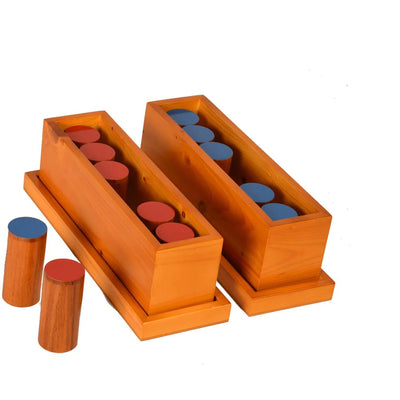
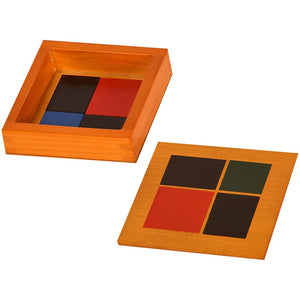
Research indicates that approximately 80-90% of children with autism spectrum disorder experience sensory processing differences, highlighting the critical role of tailored sensory experiences for their development and comfort. Incorporating Montessori-inspired activity kits can offer structured yet adaptable sensory engagement, promoting focus and independent exploration in a controlled manner.
Montessori Principles for Diverse Learners: Creating Prepared Environments
Montessori education inherently champions individualized learning and respect for each child's unique developmental journey, making its principles particularly powerful for diverse learners. Central to this is the 'prepared environment'—a space intentionally designed to foster independence, exploration, and concentration. This environment should be accessible, orderly, and offer materials that cater to a range of sensory and developmental needs.
In an Indian home, this might mean a low-lying bookshelf with a curated selection of engaging, age-appropriate Montessori learning materials, or a 'choti si balwari' corner dedicated to quiet play and discovery. The emphasis is on providing freedom within limits, allowing children to choose their activities and learn at their own pace, which builds confidence and self-regulation. Observing your child's interaction with these materials helps you understand their sensory profile and adapt the environment further.
Creative Play Ideas for Children with Disabilities in Indian Homes
Innovative play ideas for children with disabilities can often be crafted using everyday items found in Indian households, fostering engagement without requiring specialized equipment. For tactile and fine motor development, try making a 'rangoli' with coloured rice or lentils on a tray, encouraging scooping, pouring, and pattern making. This activity also connects children to cultural practices often seen during festivals.
Storytelling sessions can become sensory experiences by incorporating puppets made from old socks, or by using different voice tones and gestures. Grandparents, often central figures in joint families, can enrich these experiences by sharing traditional stories and songs. Creating a simple obstacle course with pillows, blankets, and a low stool can encourage gross motor skills and spatial awareness within the safety of your living room.
Child development experts agree that early, consistent engagement in play-based learning can significantly improve developmental outcomes by up to 50% in children with diverse needs, particularly in communication and motor skills. Such activities, as highlighted in articles like '5 fun tricks to supercharge fine motor skills in your child' from The Times of India, are invaluable for holistic development.
Designing Inclusive Sensory Spaces at Home for Special Needs
Creating a dedicated inclusive sensory space doesn't require a large room; even a small corner in an Indian home can be transformed. The key is to design zones that cater to different sensory needs: a quiet corner with soft cushions and a dim lamp for relaxation, an active zone for movement and gross motor play, and a discovery area for exploring textures and objects.
Utilize natural elements like plants in pots, smooth stones, or bamboo chimes for a calming ambiance. Ensure the space is clutter-free and safe, with materials easily accessible to the child. Consider adaptable furniture or floor seating options that accommodate various physical needs. This prepared environment supports sensory regulation, concentration, and provides a predictable space for exploration, much like the thoughtfully designed sensory gardens now opening across India.
Benefits of Sensory Engagement: Learning from India's New Sensory Gardens
The inauguration of facilities like 'Umang Vatika' at Safdarjung Hospital, Delhi, reinforces the profound benefits of sensory engagement for children with special needs. These gardens provide a controlled yet stimulating outdoor environment where children can interact with various textures, sounds, and smells from nature, aiding in sensory integration and emotional regulation. Bringing elements of these experiences home offers similar advantages.
Engaging multiple senses through play enhances cognitive development, improves focus, and helps children process information more effectively. It can also significantly boost social skills and emotional well-being by providing outlets for self-expression and stress reduction. These benefits are universal, supporting every child's right to play, learn, and thrive in an environment that respects their individuality.
Creating an inclusive sensory play environment at home is a profound act of love and support for children with diverse needs. By observing, adapting, and embracing Montessori principles, parents in Bengaluru and beyond can unlock incredible potential in their children. Remember, every child's journey is unique, and with thoughtful engagement, you can provide the nurturing ground for them to blossom.
- Inclusive sensory play is crucial for all children, especially those with diverse needs, fostering holistic development.
- The recent opening of sensory gardens in India highlights the national focus on inclusive play environments.
- Montessori principles, such as the prepared environment and individualized learning, are highly effective for diverse learners.
- Simple, low-cost household items can be transformed into engaging sensory activities within Indian homes.
- Tailoring sensory activities involves observing a child's unique sensory preferences and adapting accordingly.
- Dedicated sensory spaces at home, even small ones, significantly aid sensory regulation and concentration.
What is inclusive sensory play?
Inclusive sensory play involves designing activities that engage a child's senses while accommodating individual differences and abilities. It creates a supportive environment where all children, including those with diverse needs, can explore and learn effectively.
How can I adapt sensory activities for a neurodivergent child at home?
Adapting activities involves observing your child's sensory preferences and making modifications. Offer a range of textures, sounds, and visuals, allowing them to choose, and ensure a calm space for retreat if overstimulated.
Are Montessori principles relevant for children with diverse learning needs?
Yes, Montessori principles are highly relevant as they advocate for individualized learning, a prepared environment, and concrete materials that cater to a child's pace and style. This approach naturally supports diverse learners by respecting their unique developmental path.
What simple, low-cost sensory play ideas can I use in an Indian home?
Utilize household items like rice, pulses, spices for sensory bins, old scarves for peek-a-boo, or kitchen utensils for sound exploration. Creating a 'choti si balwari' corner with cushions and natural elements also works beautifully.
How do sensory gardens benefit children with special needs?
Sensory gardens provide a rich, multi-sensory outdoor environment that promotes calm, exploration, and development of motor and cognitive skills. They offer a safe space for children to engage with nature, aiding in sensory regulation and emotional well-being.