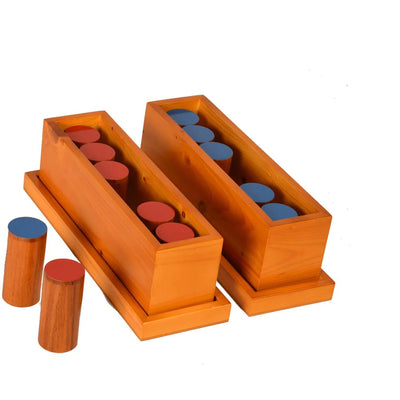
Kids Learning Toys: Recreate Inclusive Sensory Gardens at Home
Kids learning toys are essential tools for fostering holistic development, and with recent discussions around inclusive sensory gardens like Delhi's Umang Vatika, recreating these enriching experiences at home for children aged 0-5 years is now more relevant than ever. Research shows that engaging with diverse sensory stimuli through purposeful play helps build crucial neural pathways, supporting cognitive, social, and emotional growth in all children, including those with varying developmental needs.
For parents in Bengaluru and across India, understanding how to curate a stimulating sensory environment within your home can significantly impact your child's early years. This guide explores practical ways to leverage Montessori-aligned kids learning toys to create a mini sensory garden experience, promoting an inclusive and enriching play space for every child.
Creating a sensory garden at home means intentionally designing play spaces using kids learning toys and everyday items that stimulate all five senses, plus vestibular (balance) and proprioceptive (body awareness) systems. This matters because a rich sensory environment enhances brain development, motor skills, and emotional regulation, crucial for every child's growth. Indian parents can easily achieve this by selecting appropriate Montessori learning toys and integrating natural elements into their existing home play areas.
Why Sensory Play is Essential for Holistic Child Development (0-5 Years)
Child development experts agree that sensory experiences are the building blocks of early learning, laying the groundwork for complex cognitive functions. From birth to five years, a child's brain develops rapidly, forming billions of neural connections through interaction with their environment. Providing rich and varied opportunities for sensory exploration with appropriate toys for sensory development is therefore paramount.
Studies indicate that children who engage in diverse sensory play show improved problem-solving skills, enhanced creativity, and better emotional regulation. For Indian families, where joint family structures often mean shared living spaces, thoughtfully designed sensory corners can offer children a dedicated space for focused, independent learning amidst the bustle of daily life.
Designing Your Inclusive Sensory Garden at Home: A Practical Guide
Transforming a corner of your home into an inclusive sensory garden doesn't require a large backyard; it demands thoughtful selection and arrangement of materials. The goal is to provide a range of stimuli that invites exploration, calms the senses, or energizes, catering to the individual needs and preferences of each child. This approach makes a 'sensory garden at home' a truly achievable project for every family.
Consider adapting existing spaces, whether it's a balcony, a small living room corner, or even a designated play mat. The emphasis is on accessibility and variety, ensuring all children, from infants exploring textures to preschoolers building complex structures, can participate meaningfully.
Engaging Sight and Touch with Montessori Learning Toys
Visual and tactile senses are among the first pathways for infants to understand their world. Offer a variety of textures and visual complexities with Montessori learning toys such as designed wooden puzzles, textured balls, and fabric books. These sensory learning toys encourage grasping, manipulation, and focused observation, refining fine motor skills and hand-eye coordination.
For example, SkilloToys' collection includes smooth wooden blocks, soft cotton materials, and items with contrasting colours, perfect for stimulating both sight and touch. These materials not only provide sensory input but also introduce concepts of weight, temperature, and material properties, fostering early scientific inquiry.
Stimulating Hearing and Smell through Play
The sounds and scents of a child's environment play a crucial role in their development and emotional well-being. Incorporate elements that offer varied auditory experiences, such as small musical instruments, shakers, or even natural sounds from a nearby window. Introduce safe, natural scents through flowers, herbs (like tulsi from your garden), or spices in a sensory bin, ensuring they are always supervised and child-safe.
These experiences help children develop auditory discrimination and create calming or invigorating sensory landscapes. For instance, playing with wooden maracas or listening to the gentle chime of bells can refine a child's perception of sound and rhythm, vital for language development.
Encouraging Movement: Vestibular and Proprioceptive Sensory Experiences
Beyond the five senses, the vestibular system (balance and movement) and proprioceptive system (body awareness) are critical for physical coordination and spatial understanding. Provide opportunities for safe movement, such as crawling through tunnels, rocking on a low balance board, or pushing/pulling heavy objects (like a basket of laundry) to offer 'heavy work' input.
Our range of activity kits includes items that promote gross motor skills and body awareness, vital for children from 0-5 years. Encouraging activities like climbing on soft play structures or swinging can significantly contribute to a child's sense of balance and body control.
Choosing the Right Kids Learning Toys for Inclusive Play
Selecting the right kids learning toys is paramount for building an effective and inclusive home sensory garden. Maria Montessori emphasized purpose-driven materials that engage the senses and support a child's natural drive for self-education. Look for open-ended toys that can be used in multiple ways, allowing children to lead their own exploration and discovery.
Over 80% of brain development occurs by age three, making this period crucial for sensory exploration and integration. Choosing inclusive play toys means selecting items that can be adapted for children with different abilities, offering varying levels of challenge and engagement. SkilloToys is committed to providing Montessori-inspired resources that empower every child to thrive in their unique developmental journey, fostering curiosity and independent learning.
Key Takeaways
- Kids learning toys are fundamental for creating enriching, inclusive home sensory experiences for children aged 0-5 years.
- A home sensory garden leverages everyday items and Montessori learning toys to stimulate all senses, including vestibular and proprioceptive.
- Research indicates that diverse sensory play significantly improves cognitive skills, creativity, and emotional regulation in young children.
- Designing an inclusive sensory space at home ensures that all children, regardless of ability, can engage meaningfully.
- Montessori learning toys, with their focused sensory qualities, are ideal for developing refined sensory discrimination and foundational learning.
- The rapid brain development between 0-3 years highlights the critical importance of a rich, sensory-rich environment for holistic growth.
What are the benefits of a home sensory garden for toddlers?
A home sensory garden significantly boosts a toddler's cognitive development, motor skills, and emotional regulation. It provides a safe, stimulating environment for them to explore and understand the world through their senses, essential for foundational learning.
How can I make sensory play inclusive for all children?
Inclusive sensory play involves offering a wide range of materials and experiences that cater to various developmental stages and sensory preferences. It ensures that every child, regardless of their abilities, can engage meaningfully and comfortably with the activities.
What are some simple DIY sensory learning toys I can make?
Simple DIY sensory toys include rice bins with hidden objects for touch, shakers made from plastic bottles filled with pulses for sound, or homemade playdough with natural scents. These encourage exploration using readily available household items.
How do Montessori learning toys support sensory development?
Montessori learning toys are designed with specific sensory qualities, isolating particular attributes like size, shape, or texture. This focused approach allows children to develop a refined understanding of their senses, building a strong foundation for abstract concepts.
At what age should I start introducing sensory play to my child?
Sensory play can begin right from birth, starting with simple interactions like gentle touches and contrasting visual elements. As your child grows, typically from 3-6 months, you can introduce more complex sensory learning toys and activities tailored to their evolving curiosity.