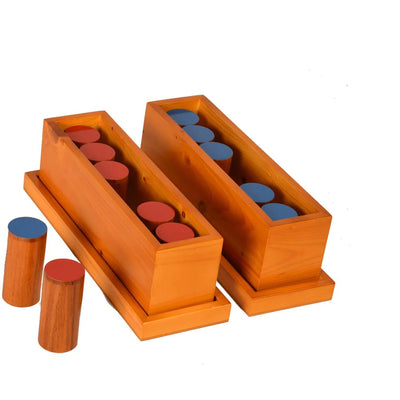
Montessori Sensory Play at Home: Daily Guide (0-5 Years)
Nurturing early childhood development at home is a profound responsibility, and daily Montessori Sensory Play at Home provides a definitive pathway to achieve this for children aged 0-5 years. By engaging children's senses consistently, Indian parents act as crucial 'frontline workers' in their own homes, much like those promoting 'Nurturing Beginnings' in communities across India, fostering holistic growth from infancy.
This guide empowers you to transform everyday moments into powerful learning opportunities, establishing a rich home environment that supports your child’s natural curiosity and development. Research shows that consistent sensory engagement lays a robust foundation for future learning and well-being.
What is Montessori Sensory Play?
Montessori sensory play is a hands-on, exploratory approach that engages a child's five senses through carefully chosen materials and activities. This matters because it directly supports brain development, allowing children to form neural pathways crucial for understanding abstract concepts later on. Indian parents can implement this by creating a prepared environment that invites children to touch, smell, see, hear, and taste in a safe, guided manner.
The Science Behind Sensory Play for Early Childhood Development at Home
Child development experts agree that sensory play is fundamental to cognitive and emotional growth, directly impacting Early Childhood Development at Home. When a child engages with different textures, sounds, and visuals, their brain actively builds connections, processing information and forming a deeper understanding of their world. Studies indicate that sensory experiences are crucial for developing up to 80% of brain connections by age three, highlighting the critical window from birth to five years.
Maria Montessori herself emphasized the importance of the senses as 'gateways to the intellect.' Consistent exposure to varied sensory inputs helps children refine their discrimination abilities, develop problem-solving skills, and enhance their concentration. For Indian families navigating the demands of modern life, integrating this scientific approach ensures children receive vital stimulation within the comfort and cultural context of their homes.
Crafting a Montessori Home Environment for Daily Sensory Exploration
Creating a dedicated Montessori home environment for sensory play does not require elaborate setups; it demands intention and simplicity. The goal is to make materials accessible, inviting, and rotatable to maintain interest. Think about creating a 'prepared environment' where children can independently choose activities, fostering autonomy and deep engagement.
Start with low shelves where materials are within reach. Incorporate natural elements like wooden trays, baskets, and bowls. Materials such as the Montessori Pink Tower or sandpaper letters are excellent for developing specific sensory discriminations, but simple, everyday objects can be equally effective. Ensure the space is safe, clean, and encourages focused exploration without overstimulation. This principle mirrors the thoughtful design seen in places like 'Umang Vatika' at Safdarjung Hospital, which focuses on safe and accessible play for all children, including those with disabilities.
Practical Daily Sensory Play Ideas for 0-5 Year Olds
Integrating Daily Sensory Play Ideas into your routine can be simple and enjoyable for the entire family. These activities don't need to be complex; often, the most effective ones use everyday items found in Indian homes. Remember to observe your child's interest and adapt activities accordingly.
Newborns & Infants (0-12 Months): Gentle Explorations
For the youngest learners, focus on stimulating one or two senses at a time. Offer safe, high-contrast black and white cards for visual tracking. Introduce rattles with varying sounds or soft scarves for tactile exploration. During bath time, let them splash and feel the water, a simple yet powerful sensory experience. Soft fabric books or textured balls are also excellent choices.
Toddlers (1-3 Years): Purposeful Engagements
Toddlers thrive on hands-on activities that allow them to manipulate objects. Set up a simple 'rangoli' tray with different coloured pulses (dal, chawal) for scooping and pouring. A water table with cups and sponges provides endless fun and develops practical life skills. Offer Montessori activity kits that involve sorting objects by colour, size, or texture, which refine their discrimination and fine motor skills. As highlighted by The Times of India, engaging in such activities is a fun trick to supercharge fine motor skills.
Preschoolers (3-5 Years): Complex Discoveries
At this age, children are ready for more structured and complex sensory experiences. Create a sensory bin with sand, small toys, and digging tools. Introduce 'smelling bottles' containing Indian spices like cardamom, cinnamon, or cloves for olfactory discrimination. Simple puzzles and lacing activities not only engage their senses but also enhance problem-solving and hand-eye coordination, crucial for school readiness.
Grandparents and Family: Enriching the Montessori Journey
In many Indian households, grandparents play an integral role in a child's upbringing. Their wisdom and cultural knowledge can significantly enrich a child's sensory experiences. Grandparents can engage children in traditional activities like kneading dough, shelling peas, or storytelling with varied voice tones, all of which are wonderful forms of sensory play. These intergenerational interactions not only provide sensory stimulation but also strengthen family bonds and pass on cultural heritage.
A longitudinal study on early childhood interventions found that consistent, stimulating home environments, often supported by extended family, can boost a child's cognitive development significantly by school age. Embrace the collective wisdom of your family to create a vibrant, sensory-rich environment for your child.
Embracing daily Montessori sensory play at home is a powerful investment in your child's future. It's about providing consistent, purposeful opportunities for exploration and discovery, turning every day into an adventure in learning. SkilloToys.com is here to support you on this enriching journey, providing resources and materials designed to foster holistic early childhood development.
- Daily Montessori sensory play is crucial for children aged 0-5, fostering holistic development.
- Parents act as 'frontline workers' by providing consistent, sensory-rich home environments.
- Research confirms sensory play significantly boosts brain development and cognitive skills.
- A 'prepared environment' at home, with accessible and simple materials, encourages independent exploration.
- Activities tailored to age groups (0-12 months, 1-3 years, 3-5 years) refine specific sensory and motor skills.
- The involvement of grandparents and extended family enriches a child's sensory experiences and cultural learning.