Multi-Sensory Montessori for Telugu Letters with Pictures
Introducing young children to their mother tongue, especially Telugu, through engaging multi-sensory Montessori approaches can transform early literacy from a chore into a joyous discovery. By connecting telugu letters with pictures and involving touch, sight, and sound, we create a rich learning environment that deeply embeds language concepts in a child's developing mind, making learning both effective and memorable.
Multi-Sensory Montessori Language Learning is an educational method where children learn language concepts by engaging all their senses. This matters because it caters to different learning styles and brain development stages, leading to more profound understanding and retention. Indian parents can implement this by providing hands-on materials and sensory-rich activities to explore Telugu letters and sounds.
Why Multi-Sensory Matters for Early Childhood Language Development in India
For children aged 0-5 years, brain development is incredibly rapid, and their primary way of learning is through sensory exploration. Research shows that engaging multiple senses simultaneously strengthens neural connections, making learning more efficient and robust. This is particularly true for foundational skills like language acquisition.
In the vibrant Indian context, where mother tongues like Telugu carry immense cultural significance, fostering early language development is vital. Child development experts agree that a strong foundation in the native language aids cognitive flexibility and makes learning additional languages easier. This holistic approach resonates with broader initiatives, like the inclusive play environments at places like Safdarjung Hospital's 'Umang Vatika,' highlighting the importance of accessible, sensory-rich spaces for all children's development, including language.
The Power of Touch: Tactile Telugu Alphabet for Kids
Maria Montessori observed that children learn best by doing and touching. For the Telugu alphabet, this means moving beyond passive viewing. Imagine a three-year-old, like little Rohan in Hyderabad, tracing the curve of a 'అ' (a) or 'ఆ' (aa) with his finger on a sandpaper letter or in a tray of rice. This tactile feedback creates a muscular memory of the letter's shape, far more effective than just seeing it on a page.
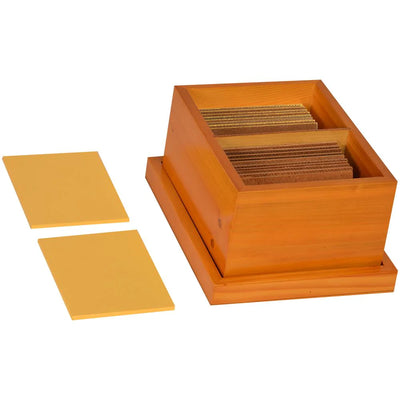
These sensory literacy activities can be easily replicated at home. Parents can create DIY tactile Telugu letters using cardboard and sand, or explore specialized activity kits that include textured alphabets. The act of feeling the letter, saying its sound, and seeing its form all at once deeply reinforces the learning.
Seeing and Saying: Visual Discrimination with Telugu Letters
While touch is powerful, visual input is equally crucial, especially when it comes to connecting telugu letters with pictures. Visual discrimination is the ability to recognize differences and similarities between shapes, a key pre-reading skill. For Telugu, this means presenting the letter alongside an object whose name starts with that letter.
For example, pairing 'ఆ' (aa) with a picture of 'ఆవు' (aavu - cow) or 'ఇ' (i) with 'ఇల్లు' (illu - house). This direct association helps children build a vocabulary while simultaneously learning the alphabet. This approach supports comprehensive language development, allowing children to link abstract symbols to concrete concepts, making learning meaningful.
Hearing the Sounds: Auditory Play in Montessori Language Learning
Language is, fundamentally, sound. Integrating auditory experiences is paramount in multi-sensory learning. This involves clearly articulating the phonetic sounds of each Telugu letter, not just its name. For instance, the sound 'అ' (a) as in 'అమ్మ' (amma) or 'ఆ' (aa) as in 'ఆట' (aata).
Parents can engage children in auditory games: singing Telugu alphabet songs, reciting rhymes, or playing 'I Spy' with Telugu words. Encouraging children to listen and repeat helps develop phonological awareness, a critical predictor of reading success. Even simple conversations in Telugu, where grandparents recount stories or sing lullabies, significantly boost a child's auditory language skills and cultural connection, much like the broader embrace of regional cultures seen in events like EuroKids' Independence Day celebrations.
Integrating Sensory Literacy Activities at Home for Multi-Sensory Learning 0-5
Bringing these principles into a typical Indian home, even a small apartment in Bengaluru, is straightforward. For a 2-year-old like Aarya, whose joint family speaks Telugu at home, her parents might set up a small station with a tray of fine Rava (semolina) where she can trace letters with her finger while her grandmother softly pronounces them. They can use common kitchen items to create shapes resembling Telugu letters or use playdough for tactile formation.
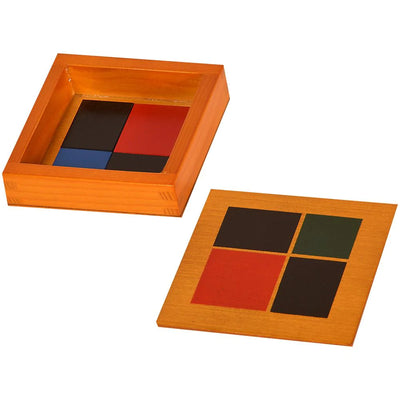
SkilloToys offers a wide range of Montessori learning materials that can be easily adapted for Telugu. Think about wooden alphabet puzzles where you can write Telugu letters on the back, or sorting activities that pair objects with initial Telugu sounds. The goal is to make learning an integral, natural part of daily life, fostering a genuine love for their mother tongue and cultural heritage.
Beyond Letters: Fostering a Love for Telugu through Montessori Language Learning
The journey of learning Telugu letters is more than just memorizing an alphabet; it's about connecting a child to their identity, family, and rich cultural heritage. By embracing multi-sensory Montessori approaches, we empower children to learn naturally, joyfully, and effectively. This method ensures that even children with diverse learning needs, as highlighted by World Autism Awareness Day, can find their unique pathway to literacy.
Tonight, consider a simple, actionable step: during dinner, point to food items and encourage your child to say their names in Telugu, perhaps tracing the first letter in the air. This small, consistent engagement with multi-sensory language will build a powerful foundation for their future, ensuring their roots in Telugu culture grow strong and deep.