Pushing Children to Learn Faster Harms Sensory Development
Pushing children to learn faster, especially between 0-5 years, definitively harms their natural sensory development by creating cognitive overload and disrupting the critical neural pathways formed through self-directed play. Research shows that accelerating academic learning before a child is developmentally ready can lead to shallow understanding, heightened anxiety, and potential sensory integration delays, impacting their ability to process everyday stimuli effectively.
Many Indian parents, influenced by societal expectations and academic pressures, grapple with the dilemma of whether to accelerate their child's learning. The Times of India article, 'Why pushing children to learn faster may be holding them back', highlights this significant parental concern. This blog post explores the scientific reasons why rushing early academics can be detrimental and how a Montessori perspective offers a more beneficial, child-led path for holistic growth.
Early learning pressure is the societal or parental push for children, often below age five, to master academic skills prematurely. This matters because a child's brain develops sequentially, building foundational sensory and motor skills before higher-order cognition. Indian parents can empower their children by prioritising child-led exploration and age-appropriate experiences.
The Science of Sensory Overload: Why Early Learning Pressure Backfires
The human brain in early childhood, particularly from birth to five years, is a hive of intense development, rapidly forming billions of neural connections. This period is a 'sensitive period' for sensory development, where children naturally integrate information from their five senses and beyond – touch, taste, smell, sight, sound, proprioception (body awareness), and vestibular sense (balance).
Studies indicate that an overemphasis on formal instruction for preschoolers can actually hinder intrinsic motivation and creativity, diverting energy from crucial sensory processing. When a child is constantly bombarded with academic tasks they aren't ready for, their brain can become overstimulated, leading to sensory overload. This disrupts the natural process of forming strong, integrated sensory pathways, which are foundational for all future learning and emotional regulation.
Child development experts agree that a forced pace can prevent the brain from adequately 'pruning' less-used connections and strengthening vital ones. This can manifest as difficulty in focusing, emotional outbursts, or even physical discomfort, all signs that the child's sensory system is struggling to cope with the demands placed upon it rather than naturally exploring its environment.
Nurturing Natural Child Development Pace: A Montessori Foundation
Maria Montessori's philosophy is rooted in observing the child's natural developmental rhythm, advocating for a self-paced, child-led approach. She identified that children learn best through hands-on exploration within a 'prepared environment' rich with multi-sensory materials. This stands in stark contrast to the trend of pushing children to learn faster, which often ignores their inherent timetable.
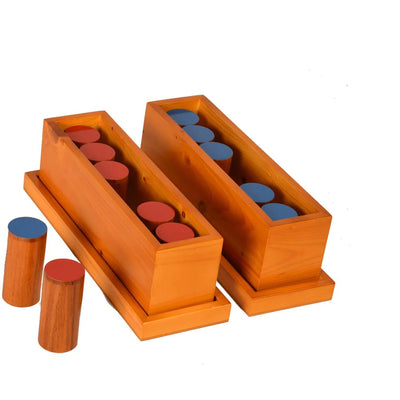
In a Montessori setting, children engage with materials like the Pink Tower for visual discrimination of size or Sandpaper Letters for tactile and auditory learning, naturally developing their senses. This method allows each child to spend as much time as needed on a concept, internalising it deeply through sensory engagement, rather than superficial memorisation driven by external pressure. SkilloToys.com offers a range of Montessori Method Learning Materials designed to support this natural developmental pace, fostering genuine understanding and curiosity.
The emphasis is on building strong sensory foundations, which are prerequisites for abstract thinking and complex problem-solving. By respecting the child's unique developmental pace, we empower them to become confident, capable learners, free from the anxiety that often accompanies premature academic demands.
Play-Based Development 0-5: The Indian Home Advantage
For children aged 0-5, play is not merely recreation; it is the fundamental mechanism for brain development and sensory integration. Through play, children explore cause and effect, develop fine and gross motor skills, problem-solve, and process sensory input from their surroundings. This 'play-based development' is crucial for healthy growth.
The Indian home, with its vibrant colours, varied textures, aromatic spices, and bustling sounds, offers an unparalleled natural sensory landscape. Joint families and grandparents often provide rich, intergenerational play opportunities, from traditional games to helping with household chores like sifting rice or kneading dough. Such activities are invaluable for sensory development.
Discussions around ensuring children with disabilities have access to safe, free play spaces, like 'Umang Vatika' at Safdarjung Hospital, underscore the universal importance of unstructured play for *all* children. The principles highlighted by Scroll.in regarding public spaces for children with intellectual disabilities apply broadly: accessible, stimulating environments for free exploration are vital for every child's sensory and holistic development, providing a stark contrast to the pressures of accelerated learning.
Recognising and Addressing Sensory Integration Delay
When children are pushed beyond their developmental readiness, it can sometimes contribute to a condition known as sensory integration delay. This occurs when the brain has difficulty processing and organising sensory information received from the body and environment. It is not a cognitive impairment, but rather a challenge in how the nervous system interprets and responds to sensations.
Symptoms can vary widely and may include over-responsiveness (e.g., extreme sensitivity to certain sounds or textures like rough clothes), under-responsiveness (e.g., not noticing pain or having a high tolerance for spinning), or challenges with motor skills and coordination. For instance, a child might struggle with handwriting, be easily distracted, or have difficulty regulating their emotions.
If you observe persistent signs of sensory integration delay, consulting a paediatrician or an occupational therapist is advisable. However, understanding the role of early learning pressure is crucial. Providing a balanced, play-rich environment is a powerful preventive and supportive measure, reducing the likelihood of such challenges stemming from a rushed childhood.
Montessori Sensory Learning: Practical Steps for Indian Parents
Incorporating Montessori principles into your home can significantly benefit your child's sensory development, countering the effects of early learning pressure. The goal is to create a 'prepared environment' that invites exploration and independent learning at the child's own pace.
Introduce simple, multi-sensory materials. This could be a set of activityKits from SkilloToys.com designed for tactile exploration, or everyday items like stacking kitchen bowls, sorting lentils, or water play with different containers. Focus on materials that offer a 'control of error' – allowing the child to self-correct and learn independently without constant adult intervention.
Encourage practical life activities, such as helping with household chores like wiping spills, watering plants, or setting the table. These activities develop fine motor skills, coordination, and a sense of responsibility, all while engaging multiple senses. By providing opportunities for self-directed, meaningful work, parents nurture a child's natural curiosity and build strong sensory foundations, preparing them for lifelong learning.
- Pushing children to learn faster significantly harms their natural sensory development and can lead to cognitive overload.
- Research indicates that premature academic pressure can result in shallow understanding, heightened anxiety, and potential sensory integration delays.
- Maria Montessori's philosophy advocates for child-led, self-paced learning through hands-on, multi-sensory exploration.
- Play is the primary mechanism for healthy brain development and sensory integration in children aged 0-5 years.
- Recognising signs of sensory integration delay is crucial, and a balanced, play-rich environment can serve as a powerful preventative measure.
- Indian homes offer rich, natural sensory experiences through traditional activities and intergenerational play, which should be prioritised over accelerated academics.