Safe Sensory Environment for Children: Umang Vatika Lessons
Creating a safe sensory environment for children aged 0-5 at home is essential for their holistic development, a principle powerfully highlighted by Safdarjung Hospital’s new Umang Vatika. This dedicated space demonstrates that parents can apply similar thoughtful design principles to foster exploration and learning within their own Indian homes, ensuring every child can play freely and safely. Such an environment supports cognitive, emotional, and physical growth by providing regulated stimuli.
A safe sensory environment is a thoughtfully prepared space where children can freely explore various sensory inputs (sight, sound, touch, smell, taste, movement) without risk of harm or overwhelm. This matters because it builds neural pathways, enhances motor skills, and fosters independence. Indian parents can achieve this by mindfully selecting materials and arranging spaces to encourage natural discovery.
Umang Vatika's Lesson: The Power of Intentional Design
The recent unveiling of 'Umang Vatika' at Safdarjung Hospital, allowing children with disabilities to "play freely & safely," offers profound inspiration for all Indian parents. This pioneering initiative underscores the critical importance of creating environments where children feel secure enough to engage their senses and develop crucial skills. It's not just about fancy equipment; it's about intentional design that prioritises safety, accessibility, and stimulation for every child.
This commitment to a prepared, inclusive space resonates deeply with global child development research. It highlights that a well-designed sensory environment can significantly impact a child's early years, providing a foundation for lifelong learning and well-being. Parents are empowered to become designers of their child's world, applying sensory play space design principles right at home.
Montessori Principles for a Prepared Sensory Haven (0-5 Years)
Maria Montessori's philosophy champions the 'prepared environment' – a space carefully arranged to meet the developmental needs of the child, fostering independence and natural learning. Applying these principles at home creates a powerful framework for a stimulating and secure sensory haven for infants and toddlers. This approach is particularly effective for children aged 0-5 years, who are in a sensitive period for sensory exploration.
Research shows that children thrive in environments where they can make choices and explore safely. For Indian families, this means transforming existing spaces, even small ones, into zones of discovery rather than just play areas. It encourages children to engage with their surroundings actively, building concentration and problem-solving skills, aligning perfectly with the Montessori prepared environment sensory approach.
The 'Prepared Environment': Safety First, Freedom Always
A truly effective sensory environment begins with uncompromising safety. Child development experts agree that a child must feel secure to explore freely. This involves diligent childproofing – securing furniture, covering outlets, and ensuring all materials are non-toxic and age-appropriate, especially in a bustling joint family home where many hands might interact with items.
Once safety is assured, freedom of movement and choice becomes paramount. Arrange materials at the child's eye level and within easy reach, allowing them to select their own activities. This cultivates intrinsic motivation and respect for their own learning process, making the environment truly inclusive sensory play at home.
Fostering Exploration: Age-Appropriate Sensory Zones
Designate specific, small "zones" within your home for different types of sensory exploration. For infants (0-12 months), a soft mat with mobiles, rattles, and textured fabric provides visual, auditory, and tactile stimulation. As they grow (12-36 months), introduce puzzles, shape sorters, and building blocks to refine fine motor skills, as highlighted by The Times of India's recent focus on fine motor development.
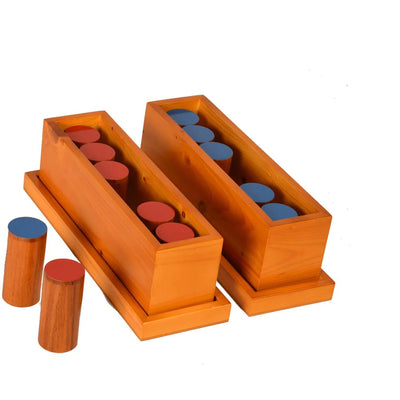
Toddlers (3-5 years) benefit from more complex activities. Consider a quiet corner with books and manipulative materials, a 'wet' area for water play (supervised), or a 'dry' area for sand or rice bins. SkilloToys activityKits offer structured yet open-ended sensory experiences, designed for various developmental stages. Incorporate natural elements like leaves, flowers, or even spices used in Indian cooking for aromatic discovery.
Studies indicate that children engaged in varied sensory play exhibit stronger cognitive flexibility and language development. Providing a range of sensory experiences, from soft to hard, smooth to rough, encourages children to make connections and understand the world around them. Explore the SkilloToys Montessori Materials collection for scientifically designed tools that support this exploration.
Simplicity and Order: Reducing Overwhelm
While variety is key, overstimulation can be counterproductive. Montessori environments advocate for simplicity and order. Present fewer materials at a time, neatly organised on low shelves or baskets. This allows the child to focus on one activity, fostering deeper concentration and avoiding sensory overload, especially in bustling Indian households often filled with vibrant colours and and sounds.
Rotate materials periodically to maintain interest and introduce new challenges. A clutter-free space not only promotes focus but also teaches children the value of order and responsibility, a skill highly valued in our cultural context from an early age.
Practical Steps for Creating Your Child's Sensory Oasis
Designing an effective sensory haven doesn't require a large budget or dedicated room; it requires intention and creativity. Even in a compact Bengaluru apartment, parents can carve out meaningful spaces. The goal is to provide rich, varied experiences that engage multiple senses.
Unicef’s focus on "Nurturing Beginnings" and promoting Early Childhood Development in Bihar highlights that simple, accessible resources are often the most impactful. Parents can use everyday household items to create stimulating sensory activities, making development an integral part of daily life.
Bengaluru Homes: Maximising Small Spaces
For many Indian families, especially in urban centres like Bengaluru, space is a premium. The key to creating an inclusive sensory play at home within these constraints is smart organisation and multi-functional items. Utilise vertical space with low, open shelves for toys and materials, making them accessible yet tidy. A small corner mat can define a 'play zone' even in a shared living room.
Consider foldable tables or mats that can be put away when not in use. Grandparents or other family members in a joint family setup can also be wonderful resources, sharing traditional games or natural materials that add cultural richness to sensory play, enhancing the Umang Vatika inspiration for parents.
Integrating Sensory Play into Daily Routines
Sensory exploration doesn't have to be a separate activity; it can be seamlessly woven into daily life. Bath time offers tactile experiences with water and bubbles. In the kitchen, involve toddlers in simple tasks like kneading dough (touch, smell), washing vegetables (touch, sound of water), or sorting pulses (fine motor, visual). These everyday moments are invaluable learning opportunities.
Even a quick walk in the local park or balcony garden can be a sensory adventure – touching leaves, smelling flowers, listening to birds. These natural experiences are crucial for holistic development and connect children to their immediate environment.
The Profound Benefits: Why a Stimulating Haven Matters
Investing time and thought into creating a stimulating play area yields significant developmental dividends. Such environments support not only sensory integration but also foster crucial cognitive and socio-emotional skills. Children who engage in rich sensory play develop stronger problem-solving abilities, enhanced creativity, and improved concentration, essential foundations for school readiness and beyond.
A well-designed sensory haven also promotes emotional regulation, allowing children to self-soothe or seek appropriate stimulation. Research from early childhood development centres confirms that early exposure to varied sensory experiences positively impacts brain architecture, setting the stage for advanced learning. This proactive approach supports a child's overall well-being, helping them navigate the challenges of growing up in a dynamic Indian society, highlighting the numerous benefits of stimulating play areas.
- Creating a safe sensory environment for children is crucial for holistic development, as evidenced by initiatives like Umang Vatika.
- Montessori's 'prepared environment' principles advocate for spaces designed for safety, freedom, and age-appropriate stimulation (0-5 years).
- Intentional design, even in small urban homes, supports cognitive flexibility, fine motor skills, and emotional regulation in young children.
- Child development experts recommend integrating diverse sensory experiences into daily routines, using both specific materials and everyday items.
- Simplicity and order in sensory spaces prevent overstimulation and foster deeper concentration, which is vital for early learning.
- Early exposure to varied sensory inputs significantly impacts brain architecture, promoting stronger problem-solving and creativity.
What is a safe sensory environment for children?
A safe sensory environment is a thoughtfully arranged space where children can explore various sensory inputs (touch, sight, sound, etc.) freely and without harm. It ensures all materials are non-toxic, age-appropriate, and securely presented, allowing for independent discovery and learning.
How does Umang Vatika inspire home sensory spaces?
Umang Vatika inspires parents by demonstrating that dedicated, intentionally designed spaces significantly benefit children, especially by promoting free and safe play. It shows that core principles of safety, accessibility, and diverse stimulation can be adapted to home settings for universal developmental support.
What are Montessori principles for sensory play?
Montessori principles for sensory play focus on the 'prepared environment,' which is orderly, accessible, and features age-appropriate materials that encourage self-directed exploration. This approach prioritises child safety, freedom of movement, and presenting fewer, well-chosen items to prevent overstimulation.
Can I create a sensory haven in a small Bengaluru apartment?
Absolutely, a sensory haven can be created even in small Bengaluru apartments by using smart organisation, vertical storage, and multi-functional items. Designate specific 'zones' with a mat, rotate materials, and integrate sensory activities into daily routines like kitchen tasks or balcony gardening.
What are the benefits of stimulating play areas for young children?
Stimulating play areas offer profound benefits, including enhanced sensory integration, stronger cognitive flexibility, improved fine motor skills, and better emotional regulation. They foster creativity, concentration, and problem-solving abilities, laying a crucial foundation for overall development and future learning.