Safe Sensory Play for Children with Disabilities
Providing safe sensory play for children with disabilities is not merely beneficial; it is a foundational pillar for holistic development, as exemplified by initiatives like Umang Vatika at Safdarjung Hospital. Research shows that these specially designed environments foster critical cognitive, emotional, and motor skills by allowing uninhibited exploration in a secure setting, crucial for every child's growth in India. This approach resonates deeply with SkilloToys' mission to empower all children through play.
In the vibrant tapestry of Indian family life, from joint family homes to grandparents' gentle care, every child deserves spaces that nurture their unique journey. Recent news, from MSN's feature on play-based education to The Better India's spotlight on Umang Vatika's inclusive design and UNICEF's work in early childhood development, highlights a growing national understanding: play is not just fun, it's fundamental. For children with diverse needs, particularly those aged 0-5, this understanding translates into a profound need for environments that are both secure and stimulating, promoting early childhood development for special needs.
What is Safe and Free Sensory Play for Diverse Learners?
Safe and free sensory play for children with disabilities involves creating an environment where a child can explore various sensory stimuli without risk of harm or overstimulation, tailored to their individual requirements. This matters because it allows for spontaneous engagement, which is vital for brain development and processing sensory information effectively. Indian parents can implement this by adapting a corner of their home with carefully selected, accessible materials, ensuring a secure and welcoming space for exploration.
Why Umang Vatika's Vision for Inclusive Sensory Play Matters
The recent establishment of Umang Vatika at Safdarjung Hospital stands as a beacon for inclusive sensory play benefits, offering a 'sensory garden for children' where those with diverse needs can play freely and safely. This initiative embodies crucial Umang Vatika principles: creating accessible, engaging, and supportive environments. Child development experts agree that such dedicated spaces are transformative, allowing children to build self-regulation skills, improve motor coordination, and enhance social interaction in a non-judgmental setting.
Research shows that environments designed with Montessori principles – freedom within limits, respect for the child, and a prepared environment – are particularly effective for children with diverse needs. These spaces encourage independence and choice, vital components of developmental growth. By offering a range of textures, sounds, sights, and movements, a sensory garden benefits diverse needs by addressing individual sensory profiles, helping children process and integrate information more effectively.
The Profound Benefits of Freedom in Sensory Play
Freedom in sensory play allows children to direct their own learning, a cornerstone of SkilloToys' philosophy. For children with diverse needs, this freedom translates into invaluable developmental gains. When a child can choose what to interact with and how, it significantly boosts their confidence, fosters problem-solving abilities, and strengthens their sense of agency. This self-directed exploration is crucial for building neural pathways and refining sensory processing skills.
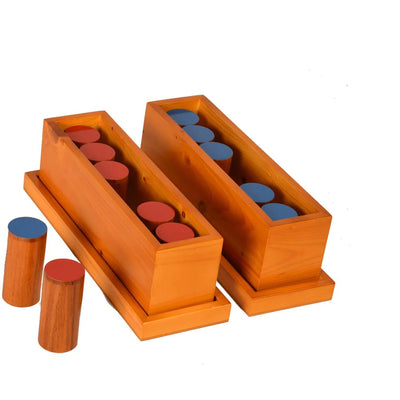
Studies indicate that well-designed sensory experiences can improve focus and attention span in children with certain sensory processing differences by up to 30%. Beyond cognitive benefits, this uninhibited engagement supports emotional regulation, helping children manage stress and express themselves. SkilloToys offers a wide range of Montessori-inspired materials, from tactile boards to sound cylinders, that support diverse learners. Explore our carefully curated activityKits, designed to provide rich, open-ended sensory experiences for children aged 0-5 years.
Creating a Montessori-Inspired Safe Sensory Zone at Home
While a large-scale sensory garden might not be feasible for every Indian home, parents can create a Montessori for diverse learners inspired safe sensory play zone. Begin by designating a specific, clutter-free corner or room. Prioritise safety by removing sharp objects, securing furniture, and using non-toxic, child-friendly materials. A soft durrie or mat can define the space, making it inviting and comfortable for exploration.
Offer a rotating selection of materials that engage different senses – natural objects like smooth stones, textured fabrics, safe water play, or simple sound-making instruments. The key is to adapt the environment to your child's unique needs, observing their responses and preferences. This approach supports early childhood development special needs by providing consistent, supportive, and stimulating experiences within the comfort of their own home. Find adaptable materials for your child’s unique needs within our main collection of Montessori materials, designed to foster independence and discovery.
The emphasis on safe sensory play for children with disabilities is a testament to our commitment to inclusive development. Inspired by the groundbreaking work of Umang Vatika, we understand that providing these environments is not just a kind gesture, but a fundamental right that unlocks potential. As parents in India, nurturing your child's sensory world with intention and care lays the strongest foundation for their future, ensuring they can navigate their world with confidence and joy.
- Safe sensory play is critical for the holistic development of children with disabilities.
- Environments like Umang Vatika demonstrate the profound benefits of inclusive, free-play spaces.
- Freedom in sensory play fosters independence, confidence, and self-regulation in diverse learners.
- Early intervention (0-5 years) with appropriate sensory experiences significantly impacts long-term outcomes.
- Montessori principles, focusing on a prepared environment and child-led exploration, are highly beneficial for children with special sensory requirements.
- Creating a dedicated, safe sensory zone at home, even small, supports crucial developmental milestones.
What is the main benefit of sensory play for children with diverse needs?
The main benefit is fostering holistic development by providing a structured yet free environment for exploration. This helps children develop crucial cognitive, emotional, social, and motor skills at their own pace, enhancing their overall well-being and independence.
How does a safe environment impact a child's sensory exploration?
A safe environment significantly reduces anxiety and allows children to engage in uninhibited exploration. This security empowers them to take appropriate risks, build confidence, and truly absorb sensory information without fear, leading to more effective learning and self-regulation.
What are the key principles of Umang Vatika that parents can apply at home?
Umang Vatika principles include offering a variety of sensory experiences, ensuring physical safety, promoting freedom of movement, and adapting the environment to individual needs. Parents can apply this by creating a dedicated, clutter-free sensory corner with accessible materials and clear boundaries.
At what age should parents start introducing sensory play for children with diverse needs?
Child development experts recommend introducing sensory play from infancy (0-12 months), adapting activities to suit the child's developmental stage and individual needs. Early intervention through sensory experiences is crucial for optimal brain development and skill acquisition, particularly for children with diverse needs.
How can Montessori principles support children with special sensory requirements?
Montessori principles support children with special sensory requirements by emphasizing a prepared environment, freedom of choice within limits, and hands-on, self-directed learning. This child-centred approach allows children to explore materials at their own pace, fostering concentration, independence, and sensory integration tailored to their unique pace and preferences.