Screen-Free Summer Sensory Play: Montessori Fun 0-5
Montessori-inspired screen-free summer sensory play is essential for fostering holistic development in children aged 0-5 years during holidays. This approach offers a rich alternative to digital entertainment, promoting cognitive growth, fine motor skills, and emotional regulation through hands-on exploration. Child development experts agree that engaging children in natural, tactile experiences significantly reduces screen dependency and enhances their innate curiosity, aligning with the goals of initiatives like Kangaroo Kids' KanKamp 2026.
Montessori-inspired sensory play involves child-led exploration using natural materials and purposeful activities that engage all five senses. This approach is crucial for building neural pathways and understanding the world through direct experience, supporting early childhood development efforts highlighted by Unicef in Bihar. Indian parents can implement these activities easily at home, fostering independence and a love for learning, often with materials readily available in their surroundings or from a trusted source like SkilloToys.com.
Why Screen-Free Summers Matter for Young Minds (0-5 Years)
Summer holidays in India traditionally mean longer days and more family time, but they can also bring increased screen exposure. Research consistently shows that excessive screen time in children aged 0-5 years negatively impacts language development, attention spans, and social skills. A study published in JAMA Pediatrics indicated that higher screen use at 1 year correlated with developmental delays at 2 and 4 years of age.
Conversely, engaging in screen-free activities, particularly those inspired by Maria Montessori's philosophy, strengthens crucial neural connections. It provides opportunities for children to develop problem-solving abilities, creativity, and resilience. This intentional shift away from digital entertainment supports the holistic nurturing emphasised by organisations like Cradle 2 Colors in shaping early childhood.
For busy parents and grandparents in joint families across Bengaluru, creating a stimulating environment for screen-free summer sensory play becomes a priority. It ensures that precious vacation time contributes meaningfully to a child's growth, rather than just filling hours and potentially hindering their crucial early development.
Crafting Engaging Montessori Screen-Free Activities Indoors
Even when the summer heat is intense, indoors can be a wonderland for Montessori screen-free activities. Focus on materials that invite exploration and independent engagement. For toddlers (18-36 months), simple pouring and scooping stations with dried pulses like rajma or rice, using small cups and spoons, develop fine motor control and concentration.
Consider introducing practical life activities that mimic adult tasks, which children naturally gravitate towards. Sweeping a small area with a child-sized broom, wiping down surfaces with a cloth, or even helping sort laundry can be incredibly satisfying for a young child. These activities foster a sense of purpose and belonging within the family, promoting independence.
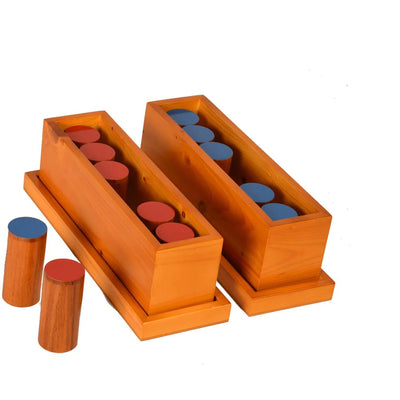
For younger babies (0-12 months), soft fabric baskets filled with contrasting textures like silk scarves, wooden rattles, and natural sponges provide safe and stimulating sensory exploration. These simple yet effective tools encourage tactile discrimination and visual tracking, laying foundational skills for future learning. For parents keen to invest in durable, high-quality educational aids, exploring the Montessori Method Learning Materials collection at SkilloToys.com offers a curated selection designed to support every stage of early childhood development, from practical life tools to sensorial apparatus.
Simple Sensory Bin Ideas for Summer Fun (0-5 Years)
Sensory bins are versatile and captivating tools for screen-free summer sensory play, offering endless possibilities for discovery. For a cooling summer theme, fill a bin with water, ice cubes, plastic fish, and small scoops. Children can explore temperature, buoyancy, and cause-and-effect, making it perfect for active toddlers and preschoolers.
Another popular idea involves coloured rice or pasta, which can be dyed easily at home using food colouring. Add small animal figurines, measuring cups, and tongs. This provides an excellent opportunity for imaginative play and developing pincer grasp. Remember to supervise closely, especially with children under 3, to ensure safe play and prevent choking hazards.
SkilloToys offers a range of activityKits that can inspire and enhance your sensory bin experiences, providing structured yet open-ended play. From sorting materials to themed sets, these kits encourage focused engagement and extended periods of independent exploration, making summer activities for toddlers without screen time easy to implement.
Embracing Outdoor Sensory Play for Kids This Summer
Nature is the ultimate Montessori classroom, offering unparalleled opportunities for outdoor sensory play for kids. Even a small balcony garden or a nearby park in Bengaluru can become a rich environment for exploration. Encourage children to feel the soil, water plants, or collect leaves and flowers, engaging their senses of touch, smell, and sight.
Water play is a summer classic and an excellent screen-free activity. A shallow tub of water with various containers, sponges, and floating toys provides hours of entertainment while developing coordination and an understanding of physics. Add natural elements like pebbles or flower petals for an extra sensory dimension, creating a truly immersive experience.
Creating a 'mud kitchen' in the backyard is another fantastic way to encourage imaginative and sensory play. Provide old pots, pans, and utensils along with soil, water, and natural loose parts. Children can 'cook' and 'bake,' developing creativity, language skills, and an appreciation for the natural world, reinforcing the joy of summer activities for toddlers without screen. These experiences are fundamental for holistic development, as emphasised by child psychologists, with 80% of brain development occurring by age three.
- Screen-free summer sensory play is vital for 0-5 year olds to support cognitive, social, and emotional development.
- Montessori-inspired activities foster independence, concentration, fine motor skills, and a love for learning.
- Excessive screen time in early childhood (0-5 years) is consistently linked to potential developmental delays in language and attention.
- Sensory bins and practical life activities are excellent, accessible indoor options for engaging children without screens.
- Outdoor play in nature provides unparalleled sensory and imaginative learning experiences, crucial for holistic child development.
- Simple, natural, and open-ended materials often provide the most effective and developmentally appropriate sensory stimulation for young children.
What is sensory play for toddlers?
Sensory play for toddlers involves any activity that stimulates a child's senses of touch, smell, taste, sight, and hearing, often simultaneously. It's crucial for developing cognitive abilities, fine motor skills, problem-solving, and understanding the world around them through direct experience.
How can I reduce my child's screen time during summer?
To reduce screen time during summer, offer engaging alternatives like Montessori-inspired sensory bins, outdoor nature exploration, and practical life activities. Establish a consistent routine with dedicated play times and limit screen availability to make screen-free choices more appealing and accessible.
What are easy Montessori-inspired sensory activities?
Easy Montessori-inspired sensory activities include pouring and scooping dry beans or rice, water play with various containers, sorting natural objects like leaves or stones, and simple practical life tasks such as wiping tables or watering plants. These activities promote concentration and fine motor development using everyday materials.
Are outdoor sensory activities beneficial for kids?
Yes, outdoor sensory activities are highly beneficial for kids, as they connect children with nature and offer diverse sensory input not found indoors. They enhance gross motor skills, encourage exploration, boost creativity, and provide exposure to natural elements like sun, wind, and varied textures, supporting overall physical and mental well-being.
At what age should screen time be introduced?
Child development experts, including the World Health Organization, recommend no screen time for children under 18 months, except for video calls with family. For children 18-24 months, limited, high-quality educational programming with a parent is suggested, and for 2-5 year olds, screen time should be limited to less than one hour per day, always with parental guidance.