Sensory Fine Motor Skills Development: The Integrated Play Secret
Sensory fine motor skills development, particularly in children aged 0-5 years, is fundamentally refined through integrated sensory play. Research shows that engaging multiple senses simultaneously builds stronger neural pathways, enabling the precise, coordinated movements essential for tasks like writing or buttoning. This holistic approach empowers children to master their physical world with confidence.
What is sensory fine motor skills development? This refers to the intricate process where a child's sensory experiences – touch, sight, sound, and movement – are processed and integrated by the brain to guide the small muscle movements of the hands and fingers. This integration is crucial because it provides the brain with the information needed to plan and execute fine motor tasks effectively. Indian parents can actively support this by offering diverse sensory-rich play opportunities at home.
In our bustling lives, watching our little ones navigate the world with their tiny hands is a source of immense joy and sometimes, a little concern. Parents across India, from Bengaluru to Bihar, are increasingly focused on early childhood development, as highlighted by initiatives like Unicef's work in promoting foundational skills. A recent Times of India article, "5 fun tricks to supercharge fine motor skills in your child," clearly indicates the high parental interest in enhancing these crucial abilities. But what if we told you there’s a deeper 'sensory secret' behind those nimble fingers?
The Intertwined World of Sensory and Fine Motor Skills
Child development experts agree that fine motor skills don't develop in isolation; they are deeply rooted in a child's sensory experiences. Imagine a child picking up a small pebble: their brain processes its texture (tactile), its weight (proprioceptive input), its visual appearance (sight), and the effort required to grip it. This continuous feedback loop from various senses allows the brain to map out and refine movements. Without this rich sensory information, movements can be clumsy or uncoordinated.
For children aged 0-5 years, every interaction is a sensory lesson. From grasping a rattle at three months to stacking blocks at 18 months, each action refines their understanding of their body in space and the properties of objects. Studies indicate that a strong foundation in sensory processing during these early years significantly predicts later proficiency in fine motor tasks and even academic readiness.
Fine Motor Skills Sensory Integration: A Foundation for Precision
True precision in fine motor skills arises from effective sensory integration – the brain's ability to take information from all the senses and make sense of it. When a child engages in a task like placing beads on a string, their visual system guides the hand, their proprioceptive sense tells them how much pressure to use, and their tactile sense provides feedback on the bead's surface. This seamless integration allows for fluid, intentional movements rather than disjointed actions.
Maria Montessori, a pioneer in early childhood education, understood this intrinsic link, designing materials that inherently engage multiple senses to develop fine motor skills. Her approach emphasizes hands-on, self-directed learning where children manipulate objects with varying textures, weights, and shapes, naturally integrating sensory input to achieve a specific purpose. This deliberate engagement fosters concentration and refines dexterity.
Sensory Play for Fine Motor Skills: Practical Ideas for Indian Homes
Encouraging sensory play for fine motor skills doesn't require elaborate setups; our Indian homes offer a treasure trove of opportunities. Simple activities like kneading atta (dough) for rotis, allowing little fingers to feel its elasticity and form, or letting children sift through rice and pulses in the kitchen, are wonderful for tactile and proprioceptive input. During festivals, making small rangoli designs with fingers or using traditional block prints helps refine pincer grasp and hand-eye coordination.
Consider introducing engaging activity kits that combine various sensory elements. Kits featuring threading activities with large beads, transferring small objects with tongs, or puzzles with different textured pieces can provide structured, enriching experiences that support both sensory processing and fine motor refinement. These kits are designed to build confidence and coordination in a fun, exploratory way.
How Sensory Input Affects Fine Motor Skills: Beyond Just Touch
While touch is often the first sense we associate with fine motor skills, other sensory inputs play equally critical roles. Visual input guides where the hands go and how precisely to move them, whether it's drawing a simple flower or picking up a tiny spice grain. Auditory cues, such as the sound of blocks clanking together, can provide feedback that helps a child adjust their grip and force. The vestibular sense (balance and movement) and proprioception (body awareness) ensure stability, allowing the hands to perform delicate tasks without the rest of the body wobbling.
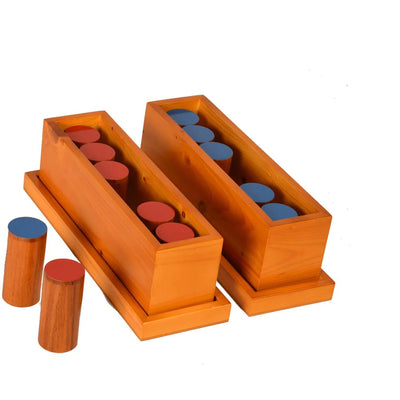
For instance, when a child practices pouring water from one vessel to another, they are using visual tracking, proprioceptive feedback for arm control, and the tactile sensation of the jug. This complex interplay is crucial for mastering Montessori method learning materials/toys that require precise manipulation, such as the Pink Tower or Knobbed Cylinders, which are designed to isolate and refine specific skills through sensory engagement.
Montessori Fine Motor Development: Purposeful Engagement
Montessori education places a strong emphasis on purposeful activity for fine motor development. From practical life exercises like buttoning clothes or peeling vegetables to academic preparations with sandpaper letters and movable alphabets, every material is designed to engage a child's senses while developing dexterity. These activities foster concentration and independence, critical aspects for children's holistic growth. The focus is not just on the outcome, but on the process of engagement and the sensory feedback received.
This approach aligns perfectly with supporting fine motor milestones 0-5. For an 18-month-old, inserting shapes into a sorter strengthens hand-eye coordination. By 3-4 years, using child-safe scissors for cutting paper or tracing lines with a pencil demonstrates significant advancement in both sensory integration and fine motor control. Providing a 'prepared environment' at home, as advocated by Montessori, allows children to freely explore and master these skills at their own pace.
Nurturing Growth: Practical Tips for Parents in India
Creating a rich sensory environment for your child's fine motor skills development is simpler than you think. Encourage open-ended play with materials like clay, sand, water, or even simple fabric scraps. Let them help with everyday chores, like stirring batter, helping set the table, or watering plants, which naturally engage various hand movements and senses. Remember, the goal is not perfection, but exploration and practice.
In a world where children with disabilities are finding safe spaces to play and develop, like 'Umang Vatika' at Safdarjung Hospital, it reinforces the universal need for accessible, enriching play. Empowering children with robust sensory-motor foundations early on prepares them not just for school, but for a lifetime of independent exploration and learning. Embrace the 'mess' and the journey, knowing you're building a powerful foundation for their future.
- Sensory fine motor skills development in 0-5 year olds is deeply rooted in integrated sensory play.
- Research shows combining touch, sight, and proprioception strengthens neural pathways for precise hand movements.
- Montessori education emphasizes purposeful, multi-sensory materials for refining dexterity and concentration.
- Simple Indian home activities like kneading atta or making rangoli significantly boost sensory-motor integration.
- Effective fine motor skills sensory integration is crucial for everyday tasks and future academic success.
- Providing diverse sensory input is more impactful than rote practice for early fine motor mastery.
What is the connection between sensory play and fine motor skills?
Sensory play provides the brain with crucial information about textures, weights, and movements, which is then integrated to guide and refine fine motor actions. This continuous feedback loop helps children develop precise and coordinated hand and finger movements.
How does fine motor skills sensory integration work?
Fine motor skills sensory integration is the brain's process of combining information from multiple senses – like sight, touch, and body awareness (proprioception) – to plan and execute small, intricate hand movements. This seamless processing allows for fluid and intentional actions.
What are some Montessori fine motor development activities for toddlers?
Montessori fine motor development activities include practical life skills like pouring water, spooning dry ingredients, buttoning clothes, and using tongs to transfer small objects. Materials such as knobbed cylinders and stacking blocks also develop precision and coordination.
How can Indian parents encourage sensory fine motor skills development at home?
Indian parents can encourage this development by involving children in daily activities like kneading atta, sorting pulses, making small rangoli patterns, or using safe kitchen tools. Providing activity kits with threading or lacing elements also offers great opportunities.
Why is sensory input so important for fine motor milestones 0-5?
Sensory input is vital for fine motor milestones 0-5 because it helps children understand their environment and their body's capabilities. Rich sensory experiences, from grasping to manipulating objects, build the neural connections necessary for achieving developmental milestones like self-feeding, drawing, and writing.