Sensory Garden Neurodivergent Children: Umang Vatika Guide
The recent unveiling of Umang Vatika, a pioneering sensory garden for neurodivergent children at Safdarjung Hospital, stands as a testament to inclusive play in India. This remarkable space showcases how thoughtful design profoundly supports the unique sensory processing needs of neurodivergent children, providing invaluable therapeutic and developmental benefits. Understanding Umang Vatika’s core elements offers Indian parents practical insights to nurture their child's sensory world at home in Bengaluru and beyond.
A sensory garden is a thoughtfully designed outdoor space that stimulates all five senses through plants, textures, sounds, and visual elements. This matters because it provides a rich, controlled environment for children to explore and process sensory input, crucial for cognitive and emotional development. Indian parents can create mini-sensory zones at home, mirroring these principles for their little ones.
Understanding Neurodivergent Sensory Needs
Neurodivergent children, including those with Autism Spectrum Disorder (ASD) or ADHD, often experience sensory input differently than neurotypical children. Some may be hypersensitive (over-responsive) to certain stimuli, finding everyday sounds or textures overwhelming. Others might be hyposensitive (under-responsive), constantly seeking more sensory input to feel regulated. Research indicates that approximately 80% of children with autism experience atypical sensory processing, impacting their learning, behavior, and social interactions.
Child development experts emphasize that providing a balanced sensory environment is not just about fun; it's fundamental for self-regulation, attention, and learning. By understanding these diverse needs, parents can create spaces that reduce anxiety for hypersensitive children and provide enriching engagement for hyposensitive ones. This tailored approach is crucial for their overall well-being and development.
Decoding Umang Vatika's Key Elements & Benefits
Umang Vatika's design is a masterclass in addressing diverse sensory profiles, leveraging specific elements for targeted therapeutic outcomes. These Umang Vatika elements benefits extend far beyond simple play, fostering growth and well-being.
Visual Art Installations: Calming & Engaging Visual Sensory Activities Autism
Umang Vatika incorporates diverse visual art installations, a key component for engaging children with autism. These installations often feature predictable patterns, contrasting colours, and interactive light elements that provide controlled visual stimulation. For children who are sensitive to chaotic visual input, these structured installations offer a calming focal point, aiding concentration and reducing anxiety.
Conversely, for those who seek visual input, the vibrant colours and dynamic forms provide engaging visual sensory activities autism children often respond positively to. Studies show that well-designed visual environments can improve visual tracking, attention span, and even communication skills in neurodivergent children, offering a predictable visual narrative.
Mud Pits: The Profound Benefits of Mud Pit Therapy
The inclusion of mud pits in Umang Vatika highlights the significant therapeutic value of unstructured, messy play. Mud pit therapy benefits neurodivergent children by providing rich, deep tactile and proprioceptive input. The varying textures, temperatures, and resistance of mud offer intense sensory feedback, which can be incredibly grounding and regulating for children who seek sensory input.
Engaging with mud promotes fine and gross motor skill development as children dig, scoop, and mould. It also encourages imaginative play, problem-solving, and a sense of freedom that can be profoundly calming for children with sensory sensitivities. Maria Montessori herself advocated for hands-on, natural exploration, recognizing its role in holistic child development.
Tactile & Textural Zones: Exploring Sensory Play for Neurodivergent Children
Beyond mud, Umang Vatika features dedicated zones with diverse textures – smooth pebbles, rough bark, soft grass, sand, and perhaps even water features. These areas are crucial for sensory play for neurodivergent children, allowing them to explore and tolerate different tactile sensations at their own pace. For children with tactile defensiveness, gentle exposure to various textures in a supportive environment can help desensitize them over time.
For those who crave tactile input, these zones offer endless opportunities for exploration, promoting sensory integration. Engaging with different textures strengthens nerve pathways, enhances fine motor skills, and provides vital information about the world around them, contributing to a more robust sensory processing system.
Soundscapes & Natural Elements: Calming Auditory and Olfactory Experiences
Umang Vatika likely incorporates natural soundscapes – the rustle of leaves, birdsong, flowing water – along with calming olfactory stimuli from fragrant plants. For children sensitive to loud, unpredictable noises, these natural sounds offer a gentle, predictable auditory environment. This contrasts sharply with the often overwhelming soundscape of a bustling city like Bengaluru.
Conversely, for children who need more auditory input, the varied natural sounds provide subtle engagement without overstimulation. The scents from aromatic plants can also have a profound calming or stimulating effect, depending on the child's needs, contributing to a holistic sensory experience.
Creating an Inclusive Play Home for Neurodivergent Children
Inspired by Umang Vatika, parents can create an inclusive play home neurodivergent children thrive in, right here in India. Start with a dedicated 'sensory corner' in your living room or balcony. Use local, natural materials like cotton fabrics, wooden blocks, and terracotta items for varied textures. Encourage grandparents to share traditional activities involving natural elements, further enriching the sensory experience.
Introduce structured sensory play using everyday items: rice bins with small toys, water play with different pouring vessels, or even simple edible playdough. Incorporate elements that cater to different sensory needs – a weighted blanket for deep pressure, a quiet nook with soft lighting for overstimulated moments, and vibrant, safe art supplies for visual engagement. Remember, consistency and predictability help establish a secure environment.
Montessori Principles and Sensory Play for Special Needs
Maria Montessori's philosophy aligns seamlessly with the principles of effective Montessori special needs sensory integration. The Montessori method emphasizes a 'prepared environment' that is orderly, accessible, and provides self-correcting materials, allowing children to learn through discovery. This structured yet free approach is particularly beneficial for neurodivergent children, who often thrive with clear boundaries and independent exploration.
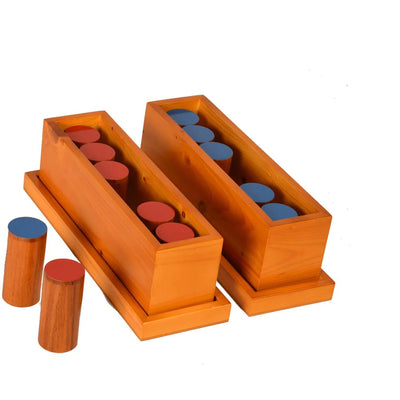
Montessori's sensory materials, such as the Pink Tower for visual discrimination, Sandpaper Letters for tactile learning, and various sound cylinders, are specifically designed to isolate and refine each sense. These materials offer controlled, purposeful sensory input, crucial for children developing their sensory processing skills. By integrating these tools, parents can support focus, concentration, and a deeper understanding of sensory attributes, enhancing their child's ability to engage with the world.
- Umang Vatika at Safdarjung Hospital is a key model for inclusive sensory gardens for neurodivergent children in India.
- Visual art installations provide predictable and engaging stimuli, crucial for focus and calming children with autism.
- Mud pits offer profound tactile and proprioceptive input, supporting self-regulation and fine motor development.
- Diverse tactile zones and natural soundscapes in sensory gardens aid in sensory integration and reduce anxiety.
- Montessori principles, including prepared environments and specific sensory materials, are highly effective for special needs sensory development.
- Creating an inclusive home sensory play area can involve local materials and address varied sensory processing needs.