Sensory Integration for Kids: Crucial for Holistic Growth
Sensory integration for kids is the brain's fundamental ability to organize and interpret all incoming sensory information, enabling them to effectively understand and react to their environment. This crucial process underpins holistic development, influencing everything from learning and motor skills to emotional regulation. Recent initiatives, like the inclusive sensory park at Safdarjung Hospital, underscore its profound importance for all children in India, from Bengaluru to Delhi.
For Indian parents navigating the rich, diverse sensory landscape of our country – from bustling markets to quiet temple chants, and the varied textures of traditional food – understanding how a child processes these inputs is key. This guide will demystify sensory integration, highlight its significance for children aged 0-5, and offer practical ways to foster healthy sensory processing development right at home.
What is Sensory Integration?
Sensory integration is the neurological process of organizing sensations from one's own body and from the environment, making it possible to use the body effectively within that environment. This matters because it forms the basis for complex learning and behavior. Indian parents can support this by offering diverse, enriching sensory experiences daily.
Beyond the Five: Understanding Your Child's Eight Senses
While we commonly speak of five senses, child development experts agree that children actually process information through eight distinct senses, all vital for a comprehensive understanding of their world. These include the familiar visual (sight), auditory (hearing), olfactory (smell), gustatory (taste), and tactile (touch) senses, which help them explore and interact with their surroundings.
However, three often-overlooked senses play an equally critical role: the vestibular sense (sense of balance and movement), proprioception (awareness of one's body in space), and interoception (awareness of internal body states like hunger or pain). Research shows that the robust development of all eight senses is essential for building a child's brain architecture, impacting their coordination, focus, and emotional responses.
The Science of Sensory Processing Development: How the Brain Connects
Sensory processing development is the intricate journey of the brain receiving sensory messages and transforming them into appropriate motor and behavioral responses. When a child experiences the world – whether through the rough texture of a Ragi dosa, the vibrant colours of a Rangoli, or the rhythmic beats of a djembe drum – their brain is actively organizing this input. A well-integrated sensory system allows a child to filter out irrelevant information and focus on what's important.
Studies indicate that between birth and three years, a child's brain forms over a million new neural connections every second, with sensory experiences playing a vital role in shaping this architecture. Challenges in sensory processing can lead to difficulties in learning, social interactions, and even everyday tasks, underscoring why early support is so critical. A child who struggles to process auditory input, for instance, might find a bustling joint family gathering overwhelming, affecting their ability to participate joyfully.
Montessori and Sensory Integration: A Natural Pathway to Learning
Maria Montessori's philosophy, a cornerstone of SkilloToys, intrinsically aligns with the principles of sensory integration. Montessori education emphasizes multi-sensory learning, providing children with concrete materials that isolate specific sensory qualities for focused exploration. This approach naturally strengthens a child's ability to differentiate, categorize, and understand sensory input.
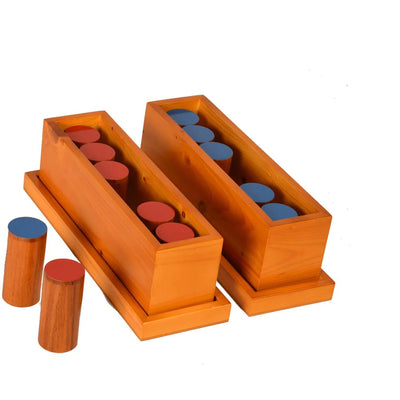
For example, Montessori learning materials like the Pink Tower or Brown Stair engage proprioception and visual discrimination. Sandpaper letters and fabrics stimulate the tactile sense, while sound cylinders refine auditory perception. This hands-on, self-directed learning fosters a child's internal organization of sensory information, laying a strong foundation for abstract thought and problem-solving. At SkilloToys, our curated collection is designed to bring these proven benefits into your Indian home.
Empowering Parents: Fostering Sensory Integration at Home
You don't need a dedicated sensory park to nurture your child's sensory integration; everyday experiences offer countless opportunities. Indian homes and natural environments are rich with sensory stimuli:
- Messy Play: Let your child explore mud in the garden, play with sand, or mix flour and water in the kitchen with grandparents. These activities provide rich tactile input and engage proprioception.
- Outdoor Exploration: Encourage climbing trees (safely!), running, jumping, and swinging. These enhance vestibular and proprioceptive senses. A visit to a local park or a walk through a garden in Bengaluru offers diverse sights, sounds, and smells.
- Creative & Traditional Activities: Involve children in making Rangoli (visual, tactile), helping with simple cooking tasks (smell, taste, touch, proprioception), or playing traditional Indian games like marbles or 'gilli-danda' (adapted for younger kids) which develop hand-eye coordination and body awareness.
- Sensory-Rich Educational Toys: Choose toys that engage multiple senses. Our activity kits and Montessori learning materials are designed with this in mind, offering educational toys sensory benefits that range from varied textures to different weights and sounds.
- Music and Movement: Dance to Indian classical or folk music, sing bhajans, or simply clap rhythms. These activities support auditory processing and coordination.
Remember, the goal is not to overstimulate but to provide a varied and engaging sensory diet that allows children to explore, learn, and self-regulate. Experts recommend creating a balance between active play and quiet time, especially important in our often-busy Indian households.
Recognizing Sensory Processing Challenges and Seeking Support
While every child develops at their own pace, it's helpful for parents to be aware of potential signs of sensory processing difficulties. These might include unusual reactions to sounds, lights, or textures, extreme fussiness with food, difficulty with balance and coordination, or a constant need for movement. Approximately 1 in 6 children may experience sensory processing difficulties that impact their daily lives.
If you have concerns about your child's sensory development, trust your instincts. Consulting with a developmental pediatrician, an occupational therapist, or an early intervention specialist can provide valuable insights and guidance. Early identification and support can make a significant difference in helping children develop the skills needed for academic success, social competence, and emotional well-being.
- Sensory integration is the brain's process of organizing sensory input, foundational for all learning and behavior.
- Children experience the world through eight senses: the familiar five plus vestibular, proprioceptive, and interoceptive.
- Robust sensory processing development in early childhood builds critical neural pathways for cognitive and emotional health.
- Montessori education inherently supports sensory integration through multi-sensory materials and hands-on exploration.
- Parents can foster sensory integration through everyday activities like messy play, outdoor exploration, and engaging educational toys.
- Recognizing early signs of sensory processing challenges is crucial for timely support and intervention.
What exactly are the eight senses in children?
Beyond the traditional five (sight, sound, smell, taste, touch), children utilize three additional critical senses: vestibular (balance and movement), proprioceptive (body awareness), and interoceptive (internal body signals like hunger or thirst). All eight work in concert to help a child understand their body and environment.
How can I tell if my child has sensory processing challenges?
Signs of sensory processing challenges can include being overly sensitive or under-responsive to certain stimuli. This might manifest as extreme reactions to loud noises, aversion to specific textures, unusual clumsiness, or difficulty focusing. Consulting a developmental pediatrician or occupational therapist can provide clarity and support.
Does sensory integration therapy really help children?
Yes, sensory integration therapy, typically provided by an occupational therapist, is a recognized and effective intervention for children experiencing sensory processing difficulties. This therapy helps children learn to respond appropriately to sensory input through playful, structured activities. Early intervention often leads to significant improvements in daily functioning and learning.
What role do educational toys play in sensory development?
Educational toys are specifically designed to stimulate multiple senses, making them invaluable tools for sensory integration. They encourage hands-on exploration, fine-tune motor skills, and help children process different textures, sounds, and visual inputs in a controlled, engaging way. Choosing age-appropriate Montessori learning materials can significantly enhance this process.
Can too much sensory stimulation be harmful for a child?
While sensory exploration is vital, excessive or overwhelming sensory input can indeed be detrimental for some children, leading to meltdowns, anxiety, or withdrawal. It's crucial for parents to observe their child's unique responses and create a balanced environment that offers both stimulating and calming experiences. Providing quiet spaces and predictable routines can help children regulate their sensory intake.