Sensory Play Autism: Montessori Strategies for ASD Children
Research shows that carefully designed sensory play autism strategies significantly support children on the Autism Spectrum Disorder (ASD) in managing sensory input and fostering development. With discussions around World Autism Awareness Day highlighting the importance of understanding diverse needs, parents in India are seeking effective, nurturing approaches. Montessori principles, known for their child-centric and structured methodologies, offer a powerful framework to address the unique sensory profiles of children with ASD.
This guide aims to empower parents in Bengaluru and across India with practical, science-backed Montessori sensory play techniques. By creating a supportive environment at home, parents, often supported by doting grandparents, can make a profound difference in their child's sensory journey, much like the innovative 'Umang Vatika' at Safdarjung Hospital allows children with disabilities to play freely and safely.
What is Sensory Play for Autism Spectrum Disorder?
Sensory play for Autism Spectrum Disorder (ASD) involves activities designed to engage and regulate a child's senses in a controlled, supportive environment. This matters because children with ASD often experience sensory processing differences, leading to either hypersensitivity or hyposensitivity to stimuli. Indian parents can implement these strategies at home to help their children navigate their sensory world more effectively, promoting calm and focus.
Montessori for Autism: Why This Approach Works for ASD
Montessori education, pioneered by Dr. Maria Montessori, offers an exceptionally well-suited framework for children with ASD due to its emphasis on order, structure, and independence. The prepared environment and carefully designed Montessori materials provide predictability and allow children to explore at their own pace. This self-directed learning fosters concentration and reduces anxiety often associated with unstructured settings.
Child development experts agree that early, consistent engagement in tailored sensory activities can lead to significant improvements in communication, social skills, and self-regulation for children with ASD. The Montessori method naturally integrates multi-sensory experiences, making it ideal for addressing the unique sensory processing needs of autistic children, from infancy (0-12 months) through toddlerhood (12-36 months) and beyond (3-5 years).
Autism Sensory Activities: Practical Montessori Play Ideas
Incorporating diverse autism sensory activities into your child's daily routine can help them regulate their senses and develop new skills. The Montessori approach encourages hands-on exploration and repetition, which is particularly beneficial for children with ASD. Remember to observe your child's reactions and adjust activities based on their comfort and engagement levels.
Engaging Tactile Sensory Toys for Autism
Tactile play helps children with ASD process information through touch, addressing both hypersensitivity and hyposensitivity. Research indicates that over 90% of individuals with ASD experience atypical sensory processing, making targeted tactile input crucial. Offer a variety of textures: smooth stones, rough sandpaper, soft fabrics, or cool water.
Montessori materials like textured fabric boxes or a simple sand tray from our activityKits collection can provide rich tactile experiences. Parents can encourage exploring mud pits safely, similar to the sensory garden initiatives, or simply playing with atta (dough) at home, a common and comforting activity in Indian households.
Nurturing Auditory Development
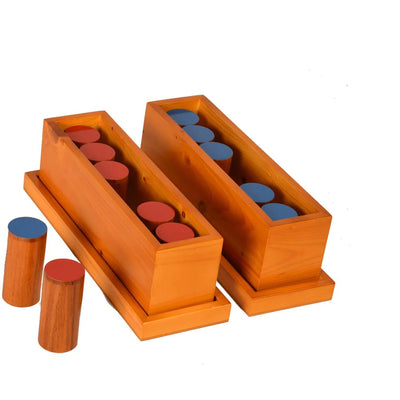
Auditory sensory play focuses on helping children process sounds, from quiet to loud. Some children with ASD may be highly sensitive to noise, while others might seek out specific sounds. Introduce sound tubes, shakers with varying contents (rice, lentils, beads), or simple musical instruments like a tabla or ghungroos. The Montessori 'Silence Game' can also help children become aware of subtle sounds and practice self-regulation in a calm environment.
Stimulating Visual Perception
Visual play helps children with ASD interpret what they see. This can include activities that focus on colour, shape, and pattern recognition. Use brightly coloured blocks, light tables with translucent objects, or sorting activities with different coloured beads or bangles. Our Montessori materials include items like the colour tablets or geometric solids, which aid in discrimination and pattern recognition, fostering visual organisation and focus.
Promoting Proprioceptive and Vestibular ASD Sensory Development
Proprioceptive input involves deep pressure and body awareness, while vestibular input relates to balance and movement. Both are vital for an autistic child's sensory issues and overall development. Activities like jumping, swinging (even on a simple jhoola), pushing a loaded cart, or crawling through tunnels provide valuable input. These activities also supercharge fine motor skills, as highlighted by 'The Times of India', by integrating movement with tactile and spatial awareness, especially beneficial for children aged 18-36 months.
Exploring Oral Sensory Input
Oral sensory input involves activities for the mouth, which can be regulating for many children with ASD. This could include offering chewy toys, crunchy snacks (if appropriate and supervised), or activities like blowing bubbles or whistles. It's crucial to consult with a professional regarding oral sensitivities, but introducing varied food textures during meal times in a controlled manner, perhaps exploring different Indian sweets or savoury snacks, can also be part of this exploration.
Addressing Autistic Child Sensory Issues: Creating a Montessori Home Environment
Creating a 'prepared environment' at home, as advocated by Maria Montessori, is fundamental for supporting children with ASD. This means an organised, predictable, and accessible space where materials are readily available and activities can be done independently. Indian homes, often bustling with joint families, can still create quiet corners or designated 'work' areas for focused sensory play.
Ensure the environment is calming, with minimal clutter and sensory overload. Involve family members, including grandparents, in understanding and supporting the child's sensory needs. Flexibility and keen observation are key; adapt activities based on your child's interests and their response to different stimuli. By offering a structured yet flexible environment, parents provide their children with the tools to navigate their sensory world with greater ease and confidence.
- Montessori principles provide a structured and child-centric framework for sensory play in children with ASD.
- Over 90% of individuals with ASD experience atypical sensory processing, making targeted sensory intervention essential.
- Early and consistent sensory play significantly improves social, emotional, and cognitive outcomes for autistic children.
- A 'prepared environment' at home, with accessible and engaging materials, is crucial for fostering independent sensory exploration.
- Incorporating diverse tactile, auditory, visual, proprioceptive, vestibular, and oral activities helps children regulate sensory input.
- Observation and flexibility are key; parents must tailor activities to their child's specific sensory profile and comfort levels.
What is the primary goal of sensory play for children with ASD?
The primary goal is to help children with ASD regulate their sensory responses, reduce distress from overwhelming stimuli, and develop better processing of sensory information. This promotes calmer behaviour, improved focus, and enhanced engagement with their environment.
How do Montessori principles specifically benefit children with autism?
Montessori principles benefit children with autism through their emphasis on a prepared environment, structured activities, self-directed learning, and hands-on exploration. This approach provides predictable routines and tangible, multi-sensory materials that appeal to diverse learning styles.
What are some simple sensory toys for autism I can use at home?
Simple sensory toys for autism include textured balls, playdough, water beads (with supervision), scarves, and sound tubes. Natural elements like sand, water, and various fabrics also provide rich sensory experiences without needing specialized purchases.
How can I tell if my autistic child is hypersensitive or hyposensitive?
Hypersensitivity might manifest as extreme reactions to loud noises, bright lights, or certain textures, while hyposensitivity could involve seeking intense sensory input, like crashing into things or not reacting to pain. Observing your child's responses to different stimuli is key.
Can grandparents and other family members help with Montessori sensory play?
Absolutely, grandparents and other joint family members play a crucial role in supporting Montessori sensory play. Their consistent involvement, gentle guidance, and presence in the child's prepared environment reinforce learning and provide additional comfort and security.
Empowering your child with ASD through thoughtful Montessori sensory play is a journey of understanding, patience, and joy. By applying these strategies, tailored for the Indian home environment and supported by the loving presence of family, you can help your child build essential skills and navigate their world with greater confidence and calm. SkilloToys.com is dedicated to providing the resources and inspiration you need to foster this incredible growth.