Sensory Play & Brain Development: Umang Vatika Lessons for All Children
Diverse sensory play, as exemplified by environments like Umang Vatika, is undeniably crucial for optimal sensory play brain development in children aged 0-5 years because it actively shapes neural pathways and fosters cognitive growth. This matters profoundly as early experiences dictate the architecture of the developing brain, laying the foundation for all future learning. Indian parents can empower their child's potential by intentionally integrating varied sensory activities into daily routines, leveraging both traditional practices and modern educational insights.
The recent opening of 'Umang Vatika' at Safdarjung Hospital, with its innovative sensory garden, has brought vital conversations about sensory experiences to the forefront. While often highlighted for children with specific needs, the scientific principles behind Umang Vatika's diverse environments are universally applicable. Every child's developing brain thrives on a rich tapestry of sensory input, transforming simple play into profound learning.
What is Diverse Sensory Play?
Diverse sensory play involves activities that engage multiple senses—sight, sound, touch, smell, taste, balance (vestibular), and body awareness (proprioception)—simultaneously or sequentially. It is fundamental for brain development as it stimulates the formation of neural connections, enhancing a child’s ability to process information and interact with their environment.
The Science of Sensory Play & Brain Development (0-5 Years)
The first five years of a child's life represent an extraordinary period of rapid brain development. Research consistently shows that a child's brain forms over a million new neural connections every second in these initial years, far exceeding the rate of any other period. By age five, approximately 90% of a child's brain development is complete, underscoring the critical window from 0-5 years for effective sensory input. This intense growth is driven by experiences, with diverse sensory play acting as a primary catalyst.
When a child interacts with their environment through their senses—feeling the cool mud, hearing a bell, seeing vibrant colours, or smelling flowers—their brain is actively building and strengthening neural pathways. These pathways are like superhighways for information, connecting different brain regions and enabling complex functions. Child development experts agree that rich, varied sensory experiences contribute to better motor skills, enhanced language acquisition, improved problem-solving abilities, and greater emotional regulation.
Maria Montessori's philosophy, based on observation, deeply understood this scientific reality, referring to the young child's 'absorbent mind'. She recognized that children from birth to six years effortlessly absorb information from their environment through their senses. This isn't just about learning facts; it's about the very architecture of their brain being built and refined by the quality and diversity of sensory information they encounter.
Umang Vatika's Inspiration: Why Diverse Sensory Experiences Matter
The vision behind Umang Vatika, with its 'visual art installations', 'mud pits', and varied tactile surfaces, provides a powerful lesson for all parents. It highlights that the brain doesn't just need sensory input; it thrives on *diverse* sensory input. A single type of play, however engaging, cannot offer the breadth of stimulation necessary for holistic brain development. Imagine the difference between watching a video of a garden and actually digging your hands into real mud, smelling damp earth, and feeling its texture – the latter creates far richer neural connections.
A rich environment, much like a well-stocked traditional Indian kitchen or a vibrant festival, offers a natural buffet of diverse sensory experiences. From the intricate patterns of Rangoli to the varied textures of fabrics during Diwali, or the sounds of family chatter in a joint family home, children are constantly processing new information. This constant, varied input helps integrate different sensory systems, crucial for skills like spatial awareness, balance, and coordination. It teaches the brain to effectively interpret and respond to the complex world around them.
This is not just about avoiding 'screen time' but about actively engaging children with the real, tangible world. For example, playing with water outdoors, feeling the breeze, or exploring different leaves in a Bengaluru garden engages multiple senses simultaneously, leading to a more robust and adaptable brain structure.
Montessori Brain Development: Building Cognitive Foundations Through Play
The Montessori method inherently champions diverse sensory play as the cornerstone of Montessori brain development. Dr. Maria Montessori observed that children learn best by doing, by interacting directly with purpose-built materials that engage their senses. Her educational philosophy is rooted in the belief that children are intrinsically motivated to learn, and a prepared environment rich in sensory stimuli supports this natural drive.
Consider classic Montessori materials: the Pink Tower engages visual discrimination of size and tactile exploration of smooth wood; the Sandpaper Letters introduce phonetic sounds through sight and touch; the practical life activities involve real-world tools that teach coordination, fine motor skills, and sensory processing. These materials aren't just toys; they are carefully designed learning tools that offer controlled yet diverse sensory input, allowing children to make their own discoveries and build complex cognitive structures from simple, concrete experiences.
SkilloToys offers a range of authentic Montessori materials and Montessori learning materials-toys specifically designed to engage individual senses and foster integrated sensory experiences. These tools provide the necessary building blocks for cognitive growth, promoting concentration, independence, and a deep understanding of concepts through hands-on interaction.
Practical Tips for Parents: Nurturing Early Childhood Development at Home
As Indian parents navigate the demands of modern life and sometimes the pressure for early academic achievement, it's reassuring to know that fostering early childhood development through diverse sensory play can be both simple and profound. You don't need elaborate setups; your home and neighbourhood offer endless possibilities.
- Kitchen Explorations: Let children safely explore different textures like pulses, rice, or flour. Grandparents often have a treasure trove of kitchen wisdom and safe ways to involve children.
- Nature's Classroom: Spend time outdoors. Encourage them to touch leaves, feel stones, listen to birds, or simply walk barefoot on grass. A simple trip to a local park or garden provides immense sensory benefits.
- Water Play: A bucket of water, some cups, and safe outdoor space can provide hours of rich tactile and auditory sensory play, crucial for understanding concepts like volume and gravity.
- Everyday Art: Use safe, child-friendly paints, playdough, or even homemade dough. This encourages tactile input, visual discrimination, and fine motor skills. For structured yet free-form exploration, consider Montessori-inspired activity kits.
- Cultural Context: Involve children in everyday Indian cultural practices like making simple Rangoli with coloured sand, stringing flowers for pujas, or listening to different regional music. These are rich, natural sensory experiences that connect them to their heritage.
Remember, the most impactful sensory experiences are often those shared with a loving caregiver. Studies indicate that responsive adult interaction amplifies the benefits of sensory play, providing not just stimulation but also emotional security and guidance. By embracing the lessons from Umang Vatika and the timeless wisdom of Montessori, Indian parents can confidently lay a strong, diverse sensory foundation for their child's magnificent brain development.
- Diverse sensory play is critical for optimal brain development in children aged 0-5 years.
- The brain forms over a million neural connections per second in early childhood, significantly influenced by sensory experiences.
- Environments like Umang Vatika demonstrate the universal importance of varied sensory inputs for all children's cognitive growth.
- Montessori philosophy and materials are specifically designed to provide rich, targeted sensory experiences.
- Engaging multiple senses simultaneously builds stronger neural pathways and improves motor, language, and problem-solving skills.
- Indian homes and cultural activities offer abundant, natural opportunities for diverse sensory play.
What is the role of diverse sensory play in brain development?
Diverse sensory play actively stimulates the formation and strengthening of neural pathways in a child's brain, especially between 0-5 years. These connections are crucial for processing information, developing motor skills, and laying the groundwork for complex cognitive functions like problem-solving and language.
How does Umang Vatika's design inform sensory play for all children?
Umang Vatika showcases the power of a rich, multi-sensory environment through features like visual art, mud pits, and varied textures. This diverse design underscores that all children benefit immensely from environments offering a wide array of sensory inputs, fostering curiosity, exploration, and holistic development beyond specific needs.
Are Montessori toys effective for promoting diverse sensory experiences?
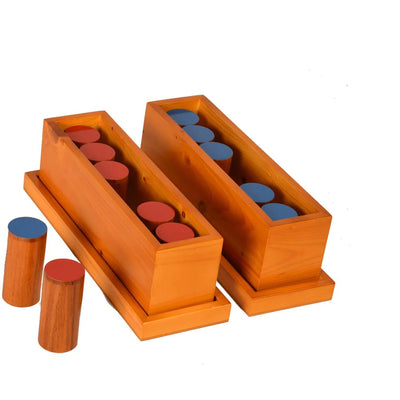
Yes, Montessori materials are specifically designed to isolate and engage individual senses, then combine them for richer experiences. From the tactile exploration of the Pink Tower to the auditory discrimination of sound cylinders, these educational toys provide controlled yet diverse sensory input essential for brain development.
How can parents encourage diverse sensory play at home in an Indian context?
Indian parents can integrate diverse sensory play through everyday activities like sorting pulses, playing with water in the courtyard, exploring spices, or participating in festive preparations. Utilizing safe, natural materials found in Indian homes and gardens, along with traditional games, provides rich, accessible sensory experiences.
Can excessive sensory input be harmful for young children?
While diverse sensory input is beneficial, excessive or overwhelming input can lead to sensory overload, especially for sensitive children. It's crucial to observe your child's cues and provide a balanced environment, allowing for periods of calm and focused play alongside more stimulating activities, ensuring a prepared and responsive environment.