Sensory Play & Cognitive Development: Building Brains (0-5 Years)
Sensory play cognitive development is intrinsically linked, as direct engagement with the senses actively stimulates and wires a child's developing brain, building crucial neural pathways for learning. This hands-on exploration enhances problem-solving, memory, and language skills, providing a robust foundation for academic and life success. For Indian parents, understanding this connection is key to nurturing brighter futures.
Sensory play involves any activity that stimulates a child's senses of touch, sight, smell, taste, hearing, balance (vestibular), and body awareness (proprioception). This matters because it provides vital input for brain growth and processing capabilities, significantly impacting how children perceive and interact with their world. Indian parents can easily integrate these enriching experiences into daily routines using common household items and purpose-built toys.
The Science Behind Sensory Play & Brain Architecture (0-5 Years)
Research shows that over 90% of a child's brain develops by age five, with sensory experiences being the primary architects of this intricate network. Every time a child touches a textured block, hears the jingle of a bell, or sees vibrant colours, millions of neural connections are forming and strengthening. These connections, known as synapses, are the fundamental building blocks of cognitive function, impacting everything from language acquisition to complex problem-solving.
Child development experts confirm that robust sensory input during these formative years is critical for building a resilient brain architecture. It's not just about experiencing the world; it's about the brain actively learning to process, interpret, and respond to that information. This process directly underpins effective brain development activities 0-5, shaping how children understand patterns, develop spatial awareness, and integrate new knowledge.
Montessori Cognitive Play: Nurturing Early Learning Foundations
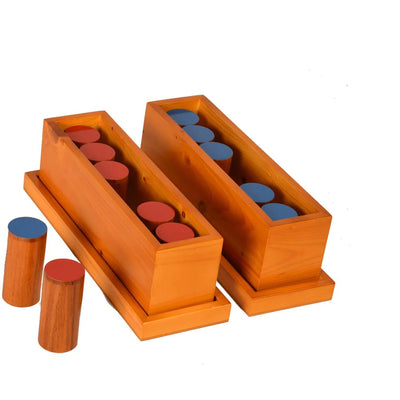
Maria Montessori, a pioneer in child education, profoundly understood the link between sensory exploration and cognitive growth. She designed materials that naturally engage children's senses to foster intellectual development. Activities like the Pink Tower, with its graded dimensions, or the Sandpaper Letters, which engage both touch and sight, are prime examples of Montessori cognitive play. They allow children to refine their perception, logic, and concentration through self-directed, sensory-rich interactions.
These structured yet open-ended experiences are essential for laying strong early learning foundations. They teach children to classify, sequence, and discern differences, skills that are directly transferable to mathematics, language, and scientific thinking. SkilloToys offers a range of materials inspired by these principles, ensuring children in Indian homes have access to tools that support this powerful learning method.
From Exploration to Excellence: Building Future Learning Skills
Child development experts agree that rich sensory experiences are critical for developing executive functions—the advanced cognitive skills essential for academic success and problem-solving in later life. These include working memory, flexible thinking, and self-control. Studies indicate that play-based learning, as highlighted in reports like 'When learning is play: How play-based education creates stronger foundations - MSN', significantly improves these vital future learning skills, preparing children for school pressure and complex tasks.
This means that joyful, sensory-rich play isn't just fun; it's foundational work for your child's brain. It cultivates the ability to pay attention, follow multi-step instructions, and adapt to new situations – qualities vital for thriving in a dynamic world. Nurturing these beginnings through play ensures a strong play based learning brain, a sentiment echoed by initiatives like UNICEF's efforts to promote early childhood development in regions like Bihar.
Practical Brain Development Activities for Your Little One (0-5 Years)
For busy Indian households, incorporating simple, impactful brain development activities 0-5 doesn't require elaborate setups. Everyday objects can become powerful learning tools. For infants, crinkly fabric books or gentle music offer auditory and tactile stimulation. For toddlers, sorting colourful bangles by size or shape with grandparents, playing with water and spoons in a small tub, or making dough with atta provides rich sensory input for cognitive growth.
You can also explore dedicated activity kits that provide structured sensory experiences, perfect for focused playtimes. Just as 'Umang Vatika' at Safdarjung Hospital creates inclusive, safe play spaces for children with disabilities, we can foster engaging environments at home, ensuring every child has opportunities for enriching sensory exploration that caters to their developmental stage. Remember, even a simple nature walk, observing different textures of leaves or listening to bird calls, can be a profound sensory experience.
Embracing sensory play is one of the most powerful and joyful ways to support your child's cognitive development. By providing opportunities for them to explore, discover, and interact with their world through their senses, you are actively building a strong, adaptable brain. This foundation will serve them not only through their schooling years but throughout their entire life.
- Sensory play directly stimulates neural pathway formation, critical for brain development in 0-5 year olds.
- Montessori methods intentionally link sensory engagement with cognitive skill building, enhancing perception and logic.
- Early sensory experiences build vital executive functions like memory and problem-solving, key for future learning skills.
- Research confirms that over 90% of a child's brain develops by age five, primarily driven by sensory interactions.
- Integrating simple, everyday sensory activities significantly contributes to a child's play based learning brain development.
- Purpose-built educational toys support comprehensive cognitive growth by offering structured sensory exploration.
How does sensory play specifically improve memory in children?
Sensory play improves memory by creating multi-sensory experiences that engage different parts of the brain simultaneously. When a child interacts with varied textures, sounds, and sights, these rich, contextual inputs form stronger, more easily retrievable memory traces than isolated pieces of information.
What is the role of touch in early cognitive development?
Touch is fundamental to early cognitive development, serving as one of a baby's first languages for understanding the world. Through tactile exploration, children learn about properties like texture, temperature, and shape, which builds early concepts of classification, problem-solving, and spatial awareness critical for brain growth.
Are Montessori materials essential for sensory cognitive development?
Montessori materials are highly effective for sensory cognitive development because they are designed to isolate specific qualities, allowing children to focus intensely on one sensory attribute at a time. While not strictly essential, they offer a structured and scientifically-backed approach to refining senses and building cognitive skills that greatly enhance a child's learning journey.
How can Indian parents encourage sensory play without making a big mess at home?
Indian parents can encourage sensory play with minimal mess by using designated areas like a balcony or a mat, and simple materials like dry lentils, rice, or dough. Activities like sorting spices, playing with water in a small tub, or creating sound bottles offer engaging sensory experiences that are easy to contain and clean up, fitting seamlessly into busy Indian households.
When should I start introducing sensory activities to my baby?
You can start introducing sensory activities from birth, beginning with gentle touch, soft fabrics, and soothing sounds. As babies grow, typically from 3-6 months, they can engage with safe, graspable toys, exploring different textures and crinkly sounds. Always ensure activities are age-appropriate and supervised for safety.