Sensory Play Fine Motor Skills: Science for 0-5 Year Olds
Engaging in sensory play fine motor skills for 0-5 year olds is scientifically proven to build foundational dexterity and coordination, creating essential neural pathways. This hands-on exploration allows children to develop crucial hand-eye coordination, grasp, and precision through repeated, purposeful movements that are vital for future learning.
As parents across India, from Bengaluru to Bihar, increasingly focus on early childhood development—a sentiment echoed by UNICEF's initiatives and inspiring spaces like Safdarjung Hospital’s ‘Umang Vatika’—understanding the ‘why’ behind development is as important as the ‘how’.
What is Sensory Play?
Sensory play is any activity that engages a child's senses of touch, sight, sound, smell, and taste, along with proprioception and the vestibular sense. This matters because it builds crucial brain connections, fostering cognitive development and physical dexterity. Indian parents can integrate simple, everyday sensory experiences into their child's routine, using materials readily available at home.
How Sensory Input Helps Fine Motor Skills: The Science
Research clearly indicates that sensory input directly impacts the development of fine motor skills by strengthening neural pathways between the brain and the hands. When a child touches, squishes, or manipulates different textures, their brain receives vital information, which it then uses to refine muscle control and coordination. This is how how sensory input helps fine motor development at a fundamental level.
Child development experts agree that a rich sensory environment provides the brain with the practice it needs to map out complex movements. For instance, the varied textures of a Montessori activity kit or the simple act of playing with *atta* (flour dough) helps children understand pressure, grip, and resistance. This repeated engagement is what transforms clumsy movements into precise actions.
Tactile Play for Hand Skills: Beyond Simple Touch
Tactile play, a core component of sensory engagement, is more than just feeling. It involves active manipulation that directly builds tactile play for hand skills, leading to improved grip strength, finger isolation, and hand-eye coordination. From the moment a baby grasps a parent's finger, their brain begins to understand the world through touch.
Consider a toddler exploring a tray of lentils or rice, common in Indian homes during festivals. The act of scooping, pouring, and sifting requires intricate hand and finger movements, strengthening small muscles. Studies indicate that children engaging in regular, varied tactile play demonstrate significantly enhanced fine motor dexterity by age three, compared to those with limited exposure. Maria Montessori herself emphasized the importance of sensorial materials like sandpaper letters and fabric boxes to refine the sense of touch, crucial for pre-writing skills.
Fine Motor Sensory Development Milestones (0-5 Years)
Understanding the developmental journey helps parents provide targeted support. From grasping and reaching in infancy to intricate cutting and drawing in preschool, each stage of fine motor sensory development is built upon the last.
- 0-12 Months: Babies develop grasp reflexes, reaching, and holding objects. Provide rattles, soft cloths, and safe objects to mouth and explore.
- 12-24 Months: Toddlers begin stacking blocks, turning pages, and manipulating simple objects. Activities like placing rings on a peg or using chunky crayons are ideal.
- 2-3 Years: Fine motor skills become more refined. Children can snip with scissors, build taller towers, and start to draw basic shapes. Playdough and Montessori fine motor sensory toys like threading beads are excellent for this age.
- 3-5 Years: Preschoolers master buttoning clothes, using cutlery, drawing recognizable figures, and practicing early writing skills. Encourage art activities, puzzles, and helping with small household chores like sorting spices with their grandparents.
These milestones are not strict deadlines but a general guide, ensuring that every child, regardless of their developmental pace, receives rich opportunities to flourish.
Integrating Sensory Activities for Fine Motor Skills at Home
You don't need elaborate setups to foster sensory activities for fine motor skills. Many simple, everyday activities in an Indian home can be powerful learning tools:
Kitchen Adventures: Let your child help knead *atta* for rotis, sort lentils (dal), or wash vegetables. These tasks engage touch, smell, and sight, while also strengthening hand muscles for squeezing, picking, and scrubbing.
Nature's Classroom: Bengaluru's gardens or even a small balcony pot offer immense sensory opportunities. Digging in soil, watering plants, or collecting leaves and pebbles provides varied textures and shapes to explore, enhancing grasp and precision.
Art & Craft Corner: Provide playdough (perhaps homemade from *atta*), paints, crayons, and paper. Tearing paper, squeezing paint bottles, or manipulating clay are excellent for strengthening small hand muscles and encouraging creativity. The simple act of doing *rangoli* with safe powders can also be a wonderful tactile experience.
Water Play: A bucket of water with cups, sponges, and small toys offers endless possibilities. Pouring, squeezing, and splashing strengthen hand muscles and develop coordination, perfect for cooling off on a hot Indian afternoon.
The SkilloToys Approach: Montessori Fine Motor Sensory Toys
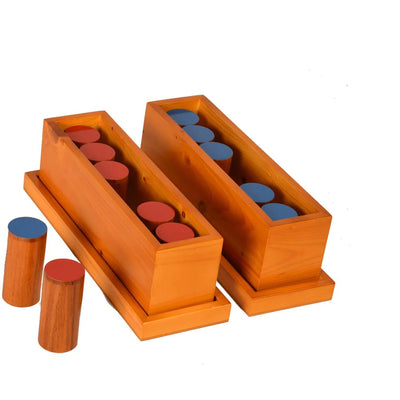
At SkilloToys, we believe in providing materials that are thoughtfully designed to support your child's natural development. Our range of Montessori fine motor sensory toys offers purposeful engagement, allowing children to learn and grow at their own pace. From lacing beads to knobbed cylinders, each toy is crafted to isolate specific skills, encouraging concentration, precision, and independence.
These materials are not just 'tricks' but tools for deep, foundational learning, preparing children for school readiness and everyday life. They provide the perfect bridge between playful exploration and skill mastery, much like how the 'Umang Vatika' creates a safe, stimulating environment for children with diverse needs to play and develop.
- Sensory play fundamentally strengthens neural pathways critical for fine motor skill development in children aged 0-5.
- Tactile activities, such as playing with varied textures and manipulating small objects, directly improve grip, finger isolation, and hand-eye coordination.
- Research indicates that consistent sensory engagement significantly enhances a child's fine motor dexterity and readiness for school.
- Maria Montessori emphasized sensorial materials as essential tools for refining touch and preparing children for advanced skills like writing.
- Everyday household activities in an Indian context, from kneading dough to sorting lentils, provide rich opportunities for sensory fine motor development.
- Montessori fine motor sensory toys are specifically designed to offer purposeful, self-correcting engagement that fosters precision and concentration.