Sensory Play & Fine Motor Skills Science for Tiny Hands
Sensory play fundamentally drives sensory play fine motor skills science by stimulating brain pathways essential for coordinated movement and dexterity in children aged 0-5. Research shows that rich sensory experiences directly enhance neural connections, allowing tiny hands to refine their grasp, manipulate objects, and develop the precision needed for daily tasks and future learning. This understanding empowers Indian parents to create intentional play environments that nurture their child's holistic development.
Ever wondered why your child loves to splash in puddles or get their hands messy with paints? It’s not just fun; it’s a profound learning process. Every touch, texture, and sensation sends vital information to their developing brain, shaping their ability to perform delicate tasks from holding a crayon to buttoning a kurta.
The neurological basis of fine motor skills refers to the intricate brain-body connections that enable precise, controlled movements of small muscles in the hands and fingers. This matters because strong neurological pathways are critical for independence, academic readiness, and self-care in children. Indian parents can proactively support this development through everyday sensory-rich interactions, fostering a robust foundation for their child's future.
The Brain's Blueprint: Fine Motor Development Neuroscience
Fine motor development is a complex dance between the brain and muscles, orchestrated by intricate neurological processes. Studies indicate that a child's brain forms over 1 million new neural connections every second during the first few years of life, a period critical for developing motor control. Each sensory experience, whether it's feeling the cool touch of water or the grainy texture of sand, helps myelinate these neural pathways, making information transmission faster and more efficient.
Dr. Maria Montessori observed this phenomenon, noting the child's 'absorbent mind' and 'sensitive periods' for movement, where children are naturally drawn to activities that refine their motor skills. This scientific understanding underscores why exposure to diverse sensory input is not just beneficial, but essential, for the precise calibration of movements required for tasks like writing or self-feeding.
As children grow, from the broad swiping motions of an infant to the precise pincer grasp of a toddler at 18-24 months, their brain continuously refines its motor maps. This continuous refinement is a direct result of varied sensory exploration, where each new sensation offers the brain more data points to fine-tune its motor commands.
Sensory Input & Hand Dexterity: How Information Shapes Movement
The journey from clumsy grasp to nimble dexterity is paved with sensory input. Our hands are equipped with thousands of nerve endings that provide a wealth of information about an object's weight, texture, temperature, and shape. This constant feedback loop between the hands and the brain is fundamental to developing hand dexterity.
Consider an Indian child playing with different dals – masoor, chana, arhar. Their fingers learn to distinguish between the smooth, round masoor and the split, rough chana. This differentiation of sensory properties allows the brain to map out specific muscle movements needed to pick up each type, fostering adaptability and precision. This aligns perfectly with the play-based education models championed by initiatives like the Unicef programme in Bihar, which promotes holistic early childhood development.
Activities like kneading atta for rotis or stringing flowers for a puja, common in Indian homes, are rich sensory experiences. They provide proprioceptive input (awareness of body position and movement), tactile input (touch), and visual input, all working in concert to strengthen the neural circuits for coordinated hand movements and improve their ability to manipulate objects with greater control and purpose.
Montessori Fine Motor Brain Development: A Hands-On Approach
The Montessori philosophy is inherently scientific in its approach to child development, particularly in nurturing fine motor skills. Montessori materials are meticulously designed to provide specific, controlled sensory input that directly contributes to neurological development. Take for instance, the Pink Tower, where children grade different sized blocks, refining their visual discrimination and developing a precise pincer grasp.
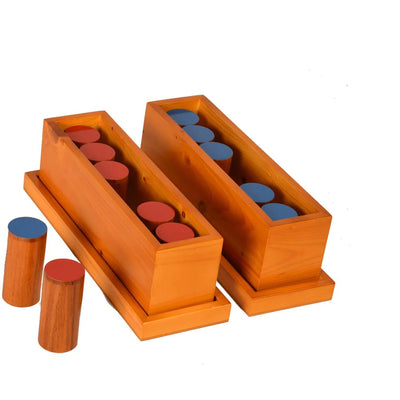
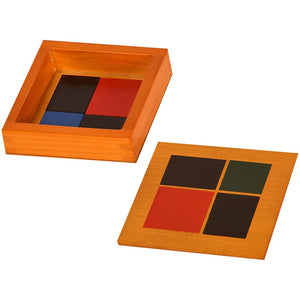
Materials like Sandpaper Letters offer a tactile experience of letter formation, engaging multiple senses for a deeper understanding and motor memory. Practical Life activities, such as transferring beans with a spoon or buttoning dressing frames, demand concentration and repetitive fine motor movements, building strength and coordination in small hand muscles. These experiences are more than just play; they are scientifically engineered pathways to enhance brain-body connections, critical for a child's independence and future academic success. You can explore a wide range of such materials in our Montessori Method Learning Materials collection.
Sensory Integration Fine Motor Skills: Putting It All Together
Sensory integration is the neurological process that organizes sensation from one’s own body and from the environment, making it possible to use the body effectively within that environment. When sensory information is well-integrated, a child can accurately interpret what they feel and see, then plan and execute a motor response efficiently. This is paramount for fine motor skills.
For example, if a child struggles with tactile defensiveness, they might avoid touching certain textures, limiting their exposure to vital sensory input needed for fine motor refinement. Conversely, a child with strong sensory integration can effortlessly adapt their grip and force when handling different objects, like holding a delicate jasmine flower versus a sturdy wooden block. This comprehensive approach to play, as seen in initiatives like 'Umang Vatika' at Safdarjung Hospital, allows children of all abilities to engage freely with diverse sensory experiences, fostering vital motor skills and confidence.
Practical Ways to Boost Fine Motor Skills Through Sensory Play at Home
Empowering your child's fine motor development doesn't require elaborate setups; often, the most effective tools are found right in your home. Simple everyday activities provide rich sensory opportunities:
- Water Play: Provide bowls of water with spoons, cups, and sponges for pouring, stirring, and squeezing. This builds hand strength and coordination.
- Kitchen Explorations: Let children safely help with sifting flour, kneading atta, or separating pulses. These activities are fantastic for developing hand strength, dexterity, and finger isolation.
- Nature's Treasures: Collect leaves, twigs, or flowers and encourage sorting, tearing, or stringing them. This promotes a pincer grasp and bilateral coordination. Grandparents often enjoy sharing these traditional activities, reinforcing family bonds while boosting development.
- Creative Corners: Offer playdough, clay, or even homemade dough for squishing, rolling, and shaping. Encourage tearing paper for collages, which strengthens finger muscles.
- Building & Threading: Introduce age-appropriate blocks, puzzles, and threading beads or laces. These require precise movements and problem-solving. For ready-to-go options, explore our range of Activity Kits designed for specific skill development.
As MSN highlights, when learning is play, it creates stronger foundations. By integrating these science-backed, sensory-rich activities into your child's daily routine, you are not just fostering fine motor skills; you are nurturing their cognitive development, problem-solving abilities, and independence, preparing them for a confident future.
- Sensory play directly stimulates neurological pathways crucial for fine motor development in children aged 0-5.
- The brain's ability to refine hand movements relies heavily on processing varied sensory input from textures, shapes, and resistance.
- Montessori education scientifically aligns with fine motor brain development through purposefully designed, hands-on materials.
- Effective sensory integration, the organization of sensory input, is foundational for coordinated hand dexterity and motor planning.
- Engaging in simple, sensory-rich activities at home, often found in traditional Indian household tasks, significantly boosts a child's fine motor skills.
- Early childhood experiences, especially play-based learning, build stronger cognitive and motor foundations, as supported by current research and developmental programs.
What is the best age to start sensory play for fine motor skills?
Sensory play can begin right from infancy, with simple activities like tummy time on different textures or exploring safe objects with their mouth and hands. Structured sensory activities for fine motor skills become more impactful as toddlers develop object manipulation skills, typically from 6 months onwards, peaking in the preschool years.
How does sensory play improve hand-eye coordination?
Sensory play improves hand-eye coordination by requiring children to visually track objects and then guide their hands to interact with them. Activities like threading beads or pouring water involve continuous feedback between what the eyes see and what the hands do, strengthening the neural pathways connecting vision and movement.
Are there specific sensory materials best for fine motor development?
While all sensory materials contribute, those that offer varied textures, shapes, and resistance are particularly beneficial. Materials like playdough (atta), sand, water, rice, small blocks, and Montessori-inspired items like lacing cards or transfer tools are highly effective for refining hand dexterity and grip.
How can I tell if my child is struggling with fine motor skills?
Signs of fine motor challenges in 0-5 year olds can include difficulty with grasping small objects, struggling with self-feeding, avoiding drawing or cutting, or showing unusual clumsiness with their hands. If you observe persistent difficulties with tasks typical for their age, consulting a paediatrician or occupational therapist is advisable for guidance.
What role do grandparents play in fostering sensory play in Indian homes?
Grandparents often play a significant role in fostering sensory play by engaging children in traditional activities like kneading dough for rotis, sifting rice, making rangoli patterns, or stringing flowers for pujas. These culturally rich experiences provide invaluable, natural opportunities for developing fine motor skills and sensory exploration.