Tactile Sensitivity in Toddlers India: Early Signs & Solutions
In the vibrant, often bustling, Indian household, children are constantly interacting with a world rich in sensory experiences – from the rough texture of a jute mat during a puja to the smooth, cool feel of marble flooring. While most children navigate these sensations with ease, some babies and toddlers in India might show early signs of what's known as tactile sensitivity. This guide aims to help parents understand this common sensory challenge and equip them with practical, home-based solutions.
Tactile sensitivity is when a child's brain over- or under-reacts to touch information received through the skin. This works because the tactile system is crucial for processing sensations like pressure, temperature, pain, and texture, forming the foundation of our interaction with the environment. Parents can identify early signs and implement simple strategies to help their children feel more comfortable and engaged with the world around them.
Early Signs of Sensory Issues with Touch in Babies & Toddlers (0-5 Years)
Observing your child's reactions to everyday touch can provide valuable insights into potential sensory processing challenges. In India, where children are often part of large, loving joint families and exposed to diverse textures from an early age, these signs might become noticeable quite early. Recognizing these early signs of sensory issues in babies and young children is the first step towards offering support.
In Babies (0-12 Months):
- Strong Aversion to Touch: They might pull away or cry intensely when cuddled, dressed, or during diaper changes. Even gentle pats from a loving grandparent might be met with distress.
- Dislikes Certain Textures: A baby might consistently fuss or refuse to touch specific fabrics, like woollen shawls or even a cotton blanket, preferring only very soft, smooth materials.
- Distress During Messy Play: Even at a young age, if introduced to finger paints or mashed food, they might show extreme discomfort with the new textures on their hands.
In Toddlers (1-3 Years) & Preschoolers (3-5 Years):
- Picky About Clothing: Refusing to wear clothes with tags, seams, or certain fabrics (like denim or new synthetic materials), even preferring to go barefoot indoors despite the floor temperature. This can be a daily challenge for Indian parents trying to dress their child for school or family gatherings.
- Aversion to Messy Play: Actively avoiding activities like playing with mud in the garden, sand at the beach, rangoli powder during festivals, or even eating with hands (which is common in Indian culture). They might wipe their hands excessively after touching something slightly sticky or wet.
- Strong Reaction to Accidental Touches: Overreacting to light, unexpected touches from siblings or other family members, often interpreting it as painful or irritating.
- Food Texture Aversions: Beyond typical pickiness, they might gag or refuse foods based purely on texture, preferring only very smooth or crunchy items, which can complicate meal times in a diverse Indian diet.
- Discomfort in Crowds: Becoming overwhelmed or anxious in crowded places like markets or temples, often due to the increased likelihood of incidental physical contact.
- Avoidance of Certain Activities: Shying away from activities that involve varying textures, like art and craft sessions at preschool or playing with sensory bins.
Understanding Tactile Defensiveness Children vs. Sensory Seeking Touch Activities
It's important to note that tactile sensitivity can manifest in two main ways. Tactile defensiveness children are those who are overly sensitive to touch, often reacting negatively to even light contact, as described above. On the other hand, some children exhibit sensory seeking touch activities, where they constantly need to touch objects, crave deep pressure, or are always fidgeting. Both are forms of sensory processing differences and require understanding and targeted support.
Simple Home Solutions & Sensory Play for Tactile Issues
The good news is that many strategies can be implemented right in your Indian home to support children with tactile sensitivity. The key is gentle, consistent exposure and making sensory experiences positive and playful. These home remedies for tactile sensitivity focus on gradually helping your child process touch more effectively.
Creating a Sensory-Rich Environment with Everyday Items:
- Textured Bins: Fill shallow containers with dry rice, lentils (daal), chickpea flour (besan), or even cool, dry sand from your garden. Add small toys, scoops, and cups for exploration. This allows for controlled, self-directed tactile input.
- Fabric Exploration: Gather various fabric scraps from around the house – smooth silk from an old saree, rough jute, soft cotton, a scratchy woollen sweater. Encourage your child to touch, rub, and describe the textures.
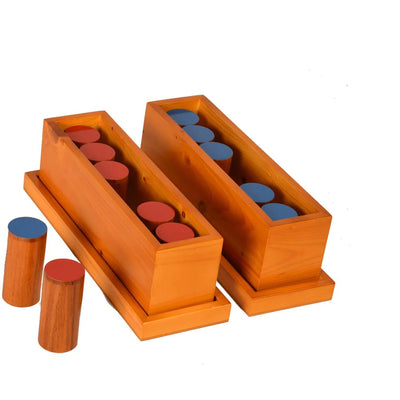
- Montessori-Inspired Play: Maria Montessori emphasized hands-on learning. Offer materials like wooden blocks, metal bells, or items from nature like smooth pebbles or dried leaves. These provide distinct, natural tactile experiences.
Gradual Exposure Techniques & Deep Pressure:
- Deep Pressure Touch: Firm, deep pressure is often calming. Offer gentle, firm massages to your child's arms, legs, and back, perhaps using a natural oil. Firm hugs and 'sandwich' squeezes (gently squeezing your child between two cushions) can also be soothing.
- "Heavy Work" Activities: Engage your child in tasks that provide proprioceptive input, which helps regulate the tactile system. Pushing a small toy trolley, carrying a basket of clothes (age-appropriately), or helping to knead dough (atta) are excellent options.
- Messy Play (Start Small): Introduce messy play gradually. Begin with non-threatening textures like a little water with soap bubbles, then move to playdough, sand, or edible finger paints made from yogurt. Offer a small brush or spoon initially if direct hand contact is too much.
Integrating Sensory Play for Tactile Issues into Daily Routines:
- Bath Time Fun: Use different textured sponges, washcloths, or even a soft body brush during bath time to provide varied tactile input in a contained, comfortable environment.
- Meal Prep Adventures: Involve your child in simple kitchen tasks like washing vegetables (feeling the water and textures), peeling soft fruits, or mixing ingredients. This exposes them to food textures without the pressure of eating.
- Outdoor Exploration: Encourage playing in the garden with soil, water, and leaves. Walking barefoot on different surfaces (grass, smooth paving, a clean mat) under supervision can also be beneficial.
For more structured and engaging sensory activities, consider exploring SkilloToys' range of activityKits. These kits are thoughtfully designed to provide diverse sensory experiences that can help children develop their tactile processing skills in a fun and educational way, often aligning with Montessori principles. They offer a fantastic resource for parents looking to introduce new textures and encourage exploration.
When to Seek Professional Help
While home strategies are incredibly effective, it's important to recognize when professional guidance might be beneficial. If your child's tactile sensitivity significantly impacts their daily life – causing extreme distress, hindering participation in family activities, affecting sleep, or impacting their ability to learn and socialize – consulting with a paediatrician or an occupational therapist specializing in sensory integration is advisable. They can offer a tailored assessment and intervention plan.
Key Takeaways for Parents:
- Tactile sensitivity is a common sensory processing difference, not a behavioral issue.
- Early recognition of signs (e.g., aversion to clothing, messy play, certain touches) is crucial.
- Gradual, positive exposure to varied textures in a safe environment is key.
- Incorporate sensory play using everyday items and structured activities into routines.
- Deep pressure activities and "heavy work" can provide calming input.
- Don't hesitate to seek professional advice if challenges persist or are severe.
Frequently Asked Questions About Tactile Sensitivity
What causes tactile sensitivity in children?
Tactile sensitivity, or tactile defensiveness, is believed to stem from differences in how the brain processes sensory information from the skin. It's not a conscious choice but rather a neurological variation in how the child's nervous system registers and interprets touch input.
Can tactile sensitivity improve with age?
Yes, with consistent and appropriate sensory interventions, tactile sensitivity can significantly improve. Early intervention, especially during the formative years, helps children's brains develop more adaptive responses to touch over time.
What are some quick calming techniques for a child with tactile sensitivity?
For immediate calming, deep pressure activities are often effective. This could include a firm hug, wrapping them snugly in a blanket, or providing a "heavy work" activity like pushing a small box. Distraction with a preferred activity can also help.
How do Montessori principles help with tactile sensitivity?
Montessori education inherently supports sensory development through its emphasis on hands-on, self-directed exploration with varied materials. Activities like using sensorial materials (e.g., fabric boxes, sandpaper letters) allow children to control their tactile input, fostering comfort and integration at their own pace.
Are there specific SkilloToys products that can help with tactile exploration?
Absolutely! SkilloToys offers a range of educational toys designed to stimulate sensory development. Our activityKits often include items with different textures, shapes, and weights, providing excellent opportunities for children to engage in safe and controlled tactile exploration, helping them become more comfortable with various sensations.
Understanding and addressing tactile sensitivity in your child is a journey of patience, observation, and playful engagement. By creating a supportive home environment and utilizing simple, effective strategies, Indian parents can empower their children to confidently explore the rich tapestry of sensory experiences that life offers, helping them thrive in every aspect of their development.