Toys for 4-Year-Old Boys: Meeting Active Sensory Needs
Research shows that for active 4-year-old boys, engaging with specific Montessori educational toys for 4-year-old boys is crucial for healthy sensory development, especially in proprioception and gross motor skills. These toys help channel their innate energy and curiosity into purposeful learning experiences.
Understanding your child's unique sensory profile is the first step to nurturing their growth. For many 4-year-old boys, this often means a need for intense movement, deep pressure, and robust physical engagement to help them process their world and regulate their bodies.
Sensory Seeking: What Active 4-Year-Old Boys Need
Sensory seeking in active 4-year-old boys is when they actively look for intense sensory experiences, often through movement and touch. This matters because it indicates a need for specific input to regulate their nervous system and develop crucial motor skills. Indian parents can proactively support this by providing rich, stimulating Montessori environments.
This drive is not just about 'being naughty' or 'having too much energy'; it's a fundamental part of their neurological development. Providing appropriate outlets, rather than suppressing these urges, is vital. Montessori principles advocate for observation and preparation of the environment to meet these innate needs.
Montessori Proprioceptive Toys for 4 Year Olds: Building Body Awareness
Proprioception is the body's sense of self-movement, force, and position. It's how your child knows where his body parts are without looking. For active 4-year-old boys, strong proprioceptive input is often calming and regulating, helping them feel 'grounded' amidst their high energy.
Montessori materials like large building blocks, puzzles that require pushing and fitting, or practical life activities such as carrying and pouring water from one jug to another, offer excellent proprioceptive input. These activities provide deep pressure and muscle work, fulfilling a critical sensory need while building concentration. Studies indicate that children engaging in regular proprioceptive activities demonstrate improved body awareness, coordination, and spatial reasoning, which are essential for academic readiness.
Gross Motor Sensory Activities for Boys: Channeling Energy Productively
Active 4-year-old boys thrive on gross motor sensory activities. These activities use the large muscles of the body, promoting balance, coordination, strength, and spatial awareness. From climbing on furniture to running around the courtyard with grandparents, their bodies are constantly seeking movement.
Montessori education provides structured ways to harness this energy. Think about an obstacle course set up with cushions, tunnels, and low balance beams, or activities involving pushing a small trolley with blocks. Even practical life skills like sweeping or mopping with child-sized tools offer significant gross motor engagement and a sense of contribution within the family home. The increasing number of nature-inspired preschools, like those announced by UBIKA Learning across India, further highlights the importance of incorporating ample gross motor play into a child's early years.
Educational Toys for High Energy Kids: Focus Through Movement
High-energy kids don't need to sit still to learn; often, they learn best *through* movement. Montessori educational toys for high energy kids are designed with this in mind, integrating physical action with cognitive tasks. This allows children to satisfy their sensory needs while developing crucial skills.
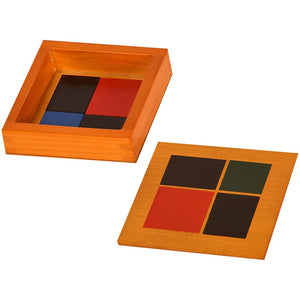
Consider activityKits that involve sorting, stacking, or transferring. These tasks, though seemingly simple, require sustained focus and fine motor precision, all while allowing for natural bodily adjustments. Materials like the Cylinder Blocks or the Binomial Cube, while challenging the mind, also offer a tactile and manipulative experience that engages the hands and body, grounding the child's attention.
Creating a Supportive Sensory Environment at Home in India
For parents in bustling Indian homes, creating a dedicated sensory-rich environment might seem challenging, especially in joint families or smaller spaces. However, it's about mindful integration. Dedicate a 'movement corner' with a soft mat, provide a basket of open-ended materials like scarves for dancing, or encourage involvement in daily chores that offer sensory input.
Consider initiatives like 'Umang Vatika' at Safdarjung Hospital, which provides safe, free play for children with disabilities, as an inspiration for creating accessible and stimulating play zones, even at home. This focus on inclusive and enriching play underscores the universal need for sensory exploration.
Research shows that a well-prepared environment that respects a child's sensory needs leads to better concentration, emotional regulation, and academic readiness. Montessori philosophy empowers parents to observe their child and adapt their surroundings to foster independence and joyous learning.
- Engaging with specific Montessori educational toys is crucial for the sensory development of active 4-year-old boys.
- Proprioceptive activities like pushing, pulling, and climbing help regulate high energy and build body awareness.
- Gross motor sensory activities are vital for developing balance, coordination, and strength in young boys.
- Montessori educational toys channel high energy into purposeful, focused learning through movement and manipulation.
- Creating a sensory-rich environment at home, even in limited spaces, supports a child's innate drive for exploration.
- Providing appropriate sensory outlets leads to improved concentration, emotional regulation, and overall development.
What kind of sensory play is best for active 4-year-old boys?
For active 4-year-old boys, proprioceptive and vestibular sensory play is highly beneficial. This includes activities that involve pushing, pulling, climbing, jumping, and spinning, which help them understand their body in space and regulate their energy.
How do Montessori toys address high energy in 4-year-old boys?
Montessori toys are designed to channel high energy into purposeful, engaging activities. Materials that involve fine motor manipulation, problem-solving, and movement (like transferring, building, or lacing) help boys focus their energy constructively and develop self-regulation.
Are there specific Montessori toys for sensory-seeking 4-year-old boys?
Yes, sensory-seeking 4-year-old boys benefit from Montessori materials like the dressing frames (for tactile input), various practical life activities (pouring, scooping for proprioception), and larger wooden blocks or puzzles that require gross motor engagement and problem-solving.
Why is gross motor development important for active 4-year-old boys?
Gross motor development is essential for building strength, coordination, balance, and spatial awareness in active 4-year-old boys. These skills are foundational for physical health, academic readiness, and confident participation in activities, from playing gully cricket to climbing a tree.
How can I integrate sensory play into my child's daily routine in an Indian home?
Integrate sensory play naturally by involving your child in household chores like kneading dough for rotis (tactile), helping carry groceries (proprioceptive), or setting up a 'nature corner' with leaves and stones. Utilise available space, even small balconies, for active play and provide Montessori materials that support focused engagement.