Child Development Startups India: BabyMD UpTodd Impact
The landscape of child development startups India is experiencing a significant shift, highlighted by the recent acquisition of UpTodd by BabyMD. This strategic move by BabyMD, a prominent player, means a more integrated and tech-forward approach to early childhood support, offering new tools and insights for Montessori parents navigating the crucial 1-3 year phase.
Early childhood development technology refers to digital platforms and applications designed to support a child's cognitive, social, emotional, and physical growth. This matters because it provides parents with accessible, personalized resources for understanding and fostering their toddler's milestones. Indian parents can use these innovations to complement traditional parenting wisdom with expert-backed guidance and activity ideas.
The New Landscape of Indian Child Development: What the BabyMD UpTodd Acquisition Signals
The acquisition of UpTodd by BabyMD is more than just a business deal; it represents a growing trend towards comprehensive, data-driven solutions in India's early childhood sector. UpTodd, known for its personalized development programs, now integrates with BabyMD's broader health platform, creating a powerful synergy. This means parents might soon access everything from vaccination schedules to tailored developmental activities within a single ecosystem.
Research from UNICEF indicates that the first three years are foundational for brain development, making early interventions and informed parenting incredibly impactful. For Indian families, often supported by joint family structures and the invaluable wisdom of grandparents, these tech innovations offer a way to harmonize traditional care with modern, evidence-based practices. It's about empowering every caregiver, from a young mother in Bengaluru to a dadi in a rural village, with actionable insights.
Bridging Traditional Montessori with Modern Innovation
Montessori parenting emphasizes creating a "prepared environment" that fosters a child's natural curiosity and independence. While technology might seem at odds with this hands-on philosophy, early childhood development India technology, particularly through well-designed Montessori parenting apps, can actually enhance it. Imagine an app suggesting age-appropriate practical life activities, or helping you observe your 18-month-old's concentration patterns.
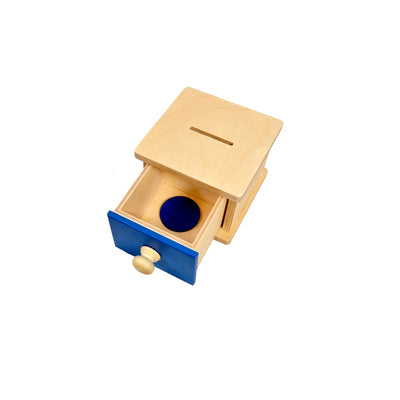
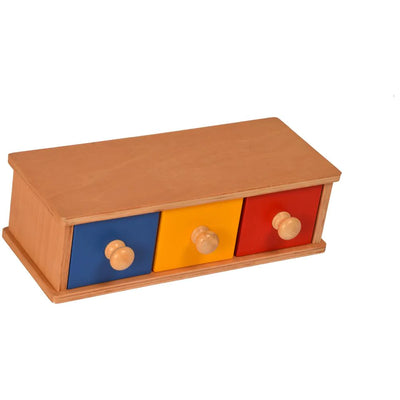
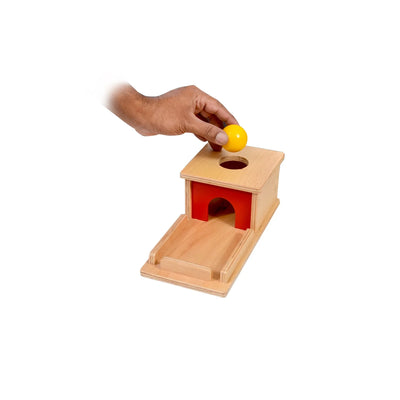
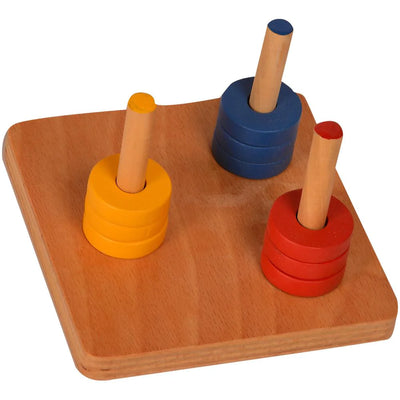
The non-obvious insight here is that digital tools, when used thoughtfully, can strengthen a parent's ability to be a better guide in the Montessori method. Instead of replacing sensory exploration or fine motor work with a wooden block set or lacing beads, these apps can equip parents with the knowledge to recognize developmental cues and introduce the right Montessori materials at the right time. For example, a parent might use an app to identify their child's readiness for sorting activities, then introduce a set of sorting bowls and coloured balls, enhancing concentration and logical thinking.
Empowering Parents with Innovative Child Development Programs India
The rise of innovative child development programs India offers a new layer of support for parents navigating the intense toddler years. These programs often provide personalized daily activities, milestone tracking, and access to child development experts. For a parent like Priya in Mumbai, who juggles a demanding job with raising a spirited 2-year-old, these tools can offer structured guidance that fits into her busy schedule, ensuring consistent developmental support.
Knowing your child's developmental stage is key to selecting appropriate materials. A child working on fine motor skills, for instance, benefits greatly from activities involving small objects, like transferring beans with a spoon. You can explore a wide range of Montessori Method Learning Materials & Toys that are specifically designed to support these crucial milestones.
Choosing the Right Tools for Your Toddler
When considering any new program or app, always evaluate it through the lens of your child's holistic development. Does it encourage active engagement, or passive consumption? Does it provide ideas for real-world interactions? The American Academy of Pediatrics recommends very limited screen time for toddlers under two, emphasizing that rich, responsive human interaction and hands-on exploration are paramount.
Even with advanced digital aids, the magic of tangible learning remains unmatched. Observing your child's delight as they master a wooden puzzle or the focused intensity as they engage with practical life materials is irreplaceable. These experiences build concentration, problem-solving, and a deep understanding of the world – foundations that no app alone can provide. The role of these new tech solutions is to empower you, the parent, to make more informed choices about the rich, stimulating environment your child needs.