Mission 1,000 Days Child Development India: Montessori Toddler Guide
Mission 1,000 days child development India is a pivotal national initiative, with states like Meghalaya recently launching their own focused programs, highlighting a critical window for growth. This period, from conception to a child's second birthday, lays the absolute foundation for their entire life, profoundly influencing their toddler years (1-3 years). For Indian parents, understanding this mission is key to nurturing robust health and holistic development, aligning perfectly with Montessori principles.
At SkilloToys, we believe every Indian child deserves the best start, and the national focus on early childhood development resonates deeply with our Montessori philosophy. This initiative isn't just about infancy; it’s about establishing the bedrock upon which your toddler's future learning, social skills, and emotional well-being will be built, preparing them for the bustling joint family life or the structured school environment.
What is Mission 1,000 Days Child Development India?
Mission 1,000 Days Child Development India is a strategic public health initiative ensuring optimal nutrition, health, and holistic development from conception until a child's second birthday. This period is crucial for brain development and lifelong health. Indian parents can actively support this by focusing on early stimulation and responsive caregiving.
Why These 1,000 Days Matter Immensely for Your Toddler (1-3 Years)
While the '1,000 days' technically span conception to age two, their impact profoundly shapes the crucial toddler years (1-3 years) that follow. This period is characterized by explosive brain growth; research shows that approximately 80% of brain development occurs by age three. Experiences during these foundational 1,000 days directly influence a toddler's cognitive abilities, emotional regulation, and physical health.
For parents navigating the dynamic world of a 1-3 year old, understanding this connection is empowering. Early nutrition and stimulation during infancy contribute directly to a toddler's energy levels, ability to focus, and curiosity. Studies indicate that children receiving adequate early stimulation are more likely to perform better in school and exhibit fewer behavioural challenges later on. This holistic approach supports every aspect of toddler health and development India seeks to foster.
Montessori Principles Aligning with Mission 1,000 Days Goals
Maria Montessori's philosophy, developed over a century ago, offers a timeless framework that perfectly complements the goals of India's 'Mission 1,000 Days'. Montessori 1000 days emphasizes respect for the child, observation, and creating a 'prepared environment' that encourages self-directed learning and independence. For toddlers aged 1-3, this means providing opportunities for meaningful engagement that naturally supports their developmental needs.
The Montessori approach focuses on practical life activities, sensory exploration, and language development. These activities build concentration, coordination, and a sense of accomplishment crucial for children transitioning from infancy to toddlerhood. By fostering these skills, Montessori education directly contributes to the holistic development 0-3 years, ensuring children are not just healthy, but also confident, curious, and capable learners.
Empowering Toddler Development (1-3 Years) the Montessori Way
As your child moves from 1 to 3 years, their desire for independence blossoms. Montessori encourages this by providing child-friendly tools and a safe, stimulating environment. Consider simple practical life activities: letting your 18-24 month old help set their small plate, or encouraging your 2-3 year old to pour water into a glass. These activities, often overseen by a patient grandparent, build fine motor skills, coordination, and a sense of responsibility within the family structure.
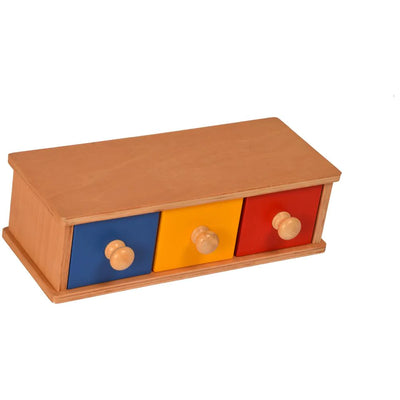
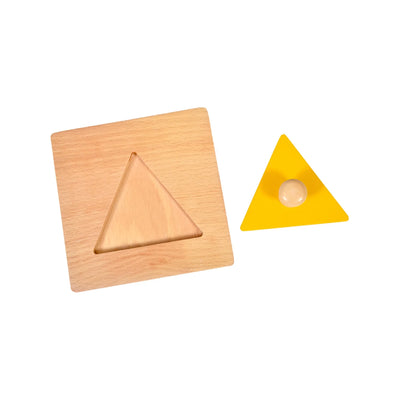
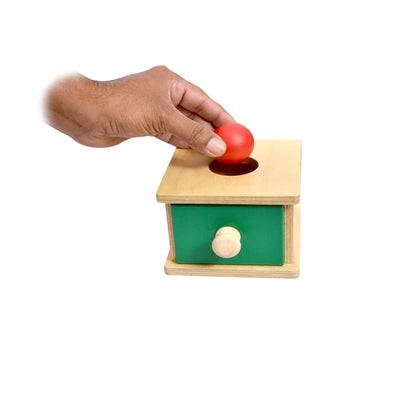
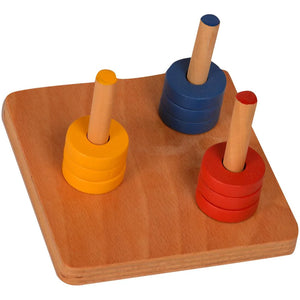
For sensory and cognitive development, introduce [Montessori sensory materials](https://skillotoys.com/collections/montessori-method-learning-materials-toys) like stacking rings, shape sorters, or simple puzzles. These are not just 'toys'; they are tools designed for specific developmental purposes, encouraging problem-solving and focus. For language development, engage in rich conversations, read books about Indian festivals, and introduce [Montessori language materials](https://skillotoys.com/collections/montessori-method-learning-materials-toys) like picture cards or sandpaper letters to build early literacy foundations. Experts agree that early intervention and enriched environments significantly reduce developmental delays, especially critical in the 1-3 year age bracket.
Creating a Montessori-inspired home doesn't require a complete overhaul; it’s about thoughtful choices. Ensure materials are accessible, organized, and inviting. Allow your child freedom of movement and exploration within safe boundaries. Whether it's the gentle guidance of parents or the loving support of a joint family, this nurturing environment empowers toddlers to discover their capabilities and thrive.
Meghalaya's Vision and India's Child Development Future
Meghalaya’s recent launch of their 'Mission 1,000 days' initiative highlights a growing national commitment to early child development programs India-wide. This regional focus is vital, especially given insights from experts like Krish Singh, who noted in Indian Startup Times that India's challenge isn't a child development problem, but often a coordination problem. Initiatives like Meghalaya's strive to bridge these gaps, ensuring comprehensive support reaches every family.
This national emphasis aligns with global efforts, as UNICEF reports India sustaining progress in reducing child deaths amid slowing global gains. The 'Mission 1,000 Days' aims to build on this, focusing on the quality of life and developmental outcomes for every child. SkilloToys stands ready to support Indian parents in this mission, offering carefully curated Montessori educational toys and resources that complement these crucial governmental goals, paving the way for a generation of thriving, capable individuals.
- India's Mission 1,000 Days targets optimal development from conception to a child's second birthday.
- The initial 1,000 days are crucial, forming the foundation for a child's cognitive, emotional, and physical growth during toddlerhood (1-3 years).
- Montessori principles, such as a prepared environment and child-led learning, directly support the holistic goals of Mission 1,000 Days.
- For toddlers (1-3 years), practical life activities and sensory exploration are key to fostering independence and concentration.
- Government initiatives like Meghalaya's 'Mission 1,000 Days' underscore a national commitment to early childhood development programs India needs.
- Investing in the first 1,000 days and supporting toddler development through methods like Montessori yields long-term benefits for a child's well-being and future success.
What is India's Mission 1,000 Days?
India's Mission 1,000 Days is a crucial public health initiative focusing on the first 1,000 days of a child's life, from conception to their second birthday. It aims to ensure optimal nutrition, health, and holistic development during this foundational period. This mission lays the groundwork for a child's lifelong well-being and potential.
How does Montessori support the 1,000-day mission for toddlers?
Montessori education strongly aligns with the goals of Mission 1,000 Days by promoting child-led learning, a prepared environment, and practical life skills essential for holistic development. It fosters independence, concentration, and a love for learning, which are critical for toddlers aged 1-3 years. Montessori methods address the cognitive, emotional, and physical needs crucial during these formative years.
What are key developmental milestones for toddlers (1-3 years)?
Key developmental milestones for toddlers (1-3 years) include walking independently, saying first words and forming simple sentences, recognizing familiar faces, showing independence in tasks like feeding, and engaging in imaginative play. Developing fine motor skills, understanding simple instructions, and showing affection are also vital during this stage. These milestones are critical indicators of healthy growth.
How can Indian parents create a Montessori environment at home?
Indian parents can create a Montessori environment at home by offering child-sized furniture, organizing toys and materials on low shelves, and encouraging practical life activities like pouring water or dressing themselves. Provide natural, open-ended materials that encourage exploration and discovery, always respecting the child's pace and choices. Involving children in daily chores, like helping with kitchen tasks, also fosters independence.
Are there specific Montessori toys for the 1-3 year age group?
Yes, SkilloToys offers a range of Montessori materials specifically designed for the 1-3 year age group. These include sensory materials like stacking rings and shape sorters, practical life tools such as pouring sets and dressing frames, and language materials like picture cards. These educational toys are crafted to support natural development, enhance fine motor skills, and stimulate cognitive growth.