Udaan 2026 ECCE: Toddler Thriving with Montessori
India is buzzing with the transformative potential of Udaan 2026 Early Childhood Care and Education, a national initiative aiming to revolutionize how our youngest citizens develop. This landmark vision, recently highlighted by the Prime Minister addressing the Women and Child Development Summit, is designed to ensure toddlers (1-3 years) move beyond basic survival to truly thrive. For parents navigating these intense years, understanding this initiative offers a profound perspective on fostering holistic growth right at home.
Udaan 2026 is India's largest convening on Early Childhood Care and Education (ECCE), charting a roadmap for integrated development from birth. This matters because a strong ECCE framework lays the neurodevelopmental foundations crucial for cognitive, social, and emotional growth. Indian parents can align their home environments with these principles by understanding holistic development.
From Surviving to Thriving: The Core of ECCE India
The core message of Udaan 2026 resonates deeply with every parent: moving our children from merely surviving to truly thriving. This isn't just about health and nutrition, vital as they are; it's about nurturing every aspect of a child's potential. For toddlers aged 1 to 3, this means creating rich, responsive environments where their natural curiosity and burgeoning independence can flourish. Research by the Harvard Center on the Developing Child emphasizes that the architecture of the brain is most open to influence during these early years, making focused ECCE initiatives critical.
This national focus on comprehensive well-being aligns perfectly with the everyday challenges and joys parents experience. From a child's first hesitant steps at 14 months to their joyful babbling at 24 months, every interaction builds their world. Grandparents, often central figures in Indian joint families, instinctively encourage toddlers to engage with their surroundings, unknowingly supporting this very shift towards thriving.
Montessori's Role in Toddler Development Initiatives India
The principles championed by Udaan 2026 find a powerful ally in the Montessori philosophy, a framework that has consistently fostered thriving children for over a century. Dr. Maria Montessori observed that children aged 1-3 years are in a "sensitive period" for order, language, and movement, absorbing their environment like sponges. For parents looking to support toddler development initiatives in India, Montessori offers a proven pathway.
In a Montessori home, this means a "prepared environment" where toddlers can safely explore and master tasks independently. Think of a 2-year-old in Bengaluru, eager to pour water or help with kneading dough for rotis – these practical life activities build concentration, fine motor skills, and a profound sense of self-efficacy. This self-directed engagement is crucial for developing agency, a key component of thriving.
Fostering Children Thriving India: Practical Montessori Steps at Home
Translating national visions into daily practice can feel daunting, but simple Montessori principles make it actionable for parents of 1-3 year olds. Instead of immediately helping your 18-month-old pick up a dropped spoon, allow them a moment to problem-solve. Offer child-sized tools for chores, like a small broom or a cloth to wipe spills. These opportunities, even in a small city apartment, cultivate competence and responsibility.
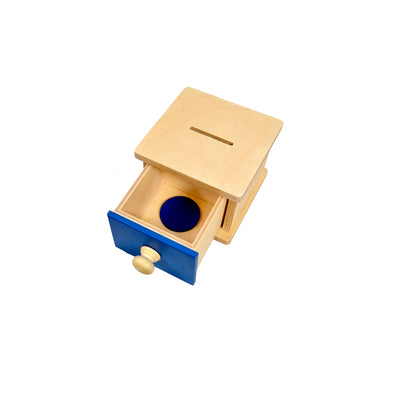
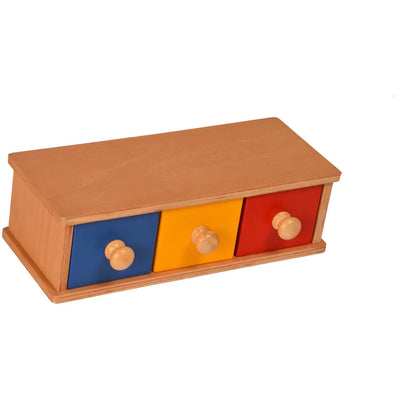
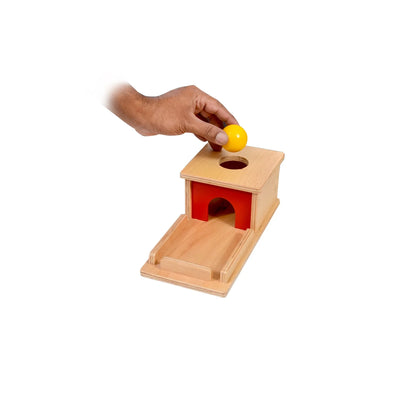
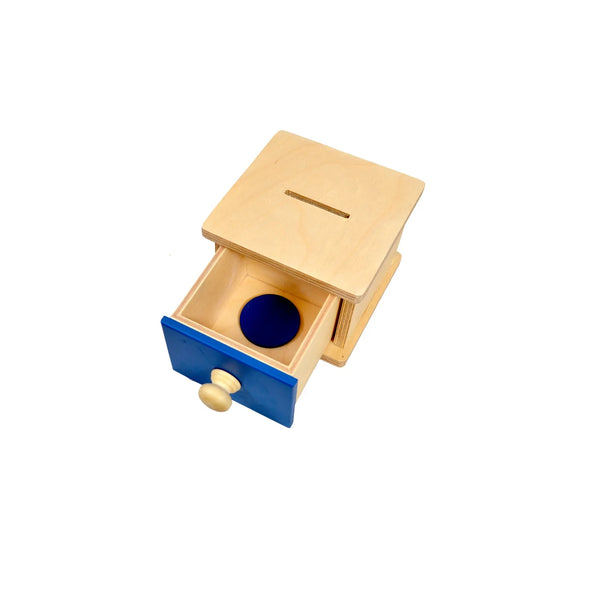
Consider materials that encourage open-ended exploration rather than prescriptive play. A set of simple wooden blocks, for instance, allows a 3-year-old to build a temple for a festival, stack a tower taller than themselves, or create an imaginary train – developing spatial awareness, problem-solving, and creativity. SkilloToys offers a range of authentic Montessori learning materials designed for this very purpose, supporting their burgeoning independence.
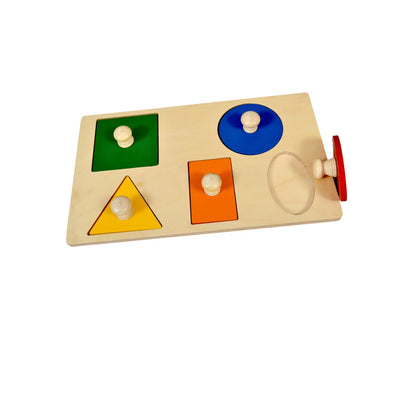
Allowing a child to choose their activity from a limited selection, whether it's a wooden shape sorter or helping arrange spices in the kitchen, respects their emerging will. This respect for choice, even in small matters, is a cornerstone of Montessori early childhood education and directly contributes to a child feeling valued and capable.
Udaan 2026 and Early Learning Curriculum India: What it Means for Your Child
The push for a unified, comprehensive early learning curriculum in India, as envisioned by Udaan 2026, aims to provide a consistent quality of care and education across diverse settings. The NCERT's National Curriculum Framework for ECCE (2019) already lays out guidelines for a holistic approach, emphasizing play-based, child-centric learning. This means less pressure on formal academics in the toddler years and more focus on foundational skills – language development, socio-emotional intelligence, and gross and fine motor coordination.
For parents, this national direction reinforces the importance of a play-rich environment over early academic drilling. It's about letting children be children, allowing them to explore textures, sounds, and movements. Encourage storytelling during evening chai, sing traditional lullabies, and let them help with household tasks, integrating learning seamlessly into the rhythm of Indian family life. This approach, advocated by Montessori, ensures that children are not just "surviving" school pressures later, but are "thriving" emotionally and intellectually from the very start.
Udaan 2026 is more than a policy initiative; it's a national affirmation of the profound importance of the early years. As parents, we are the primary architects of our toddlers' development, shaping their world one intentional moment at a time. By embracing the spirit of Udaan 2026 and integrating Montessori principles into our homes, we empower our 1-3 year olds to not just survive, but truly thrive, laying a robust foundation for a joyful, independent future. Tonight, consider one small area where your toddler can exercise more independence – perhaps serving themselves water or choosing their bedtime story. These small steps are how India's vision comes alive in your home.