UNICEF Early Childhood Education Principles: A Montessori Guide
Understanding UNICEF Early Childhood Education principles is crucial for Indian parents aiming to provide a robust foundation for their toddlers (1-3 years). These global guidelines offer a comprehensive framework for nurturing holistic development, which beautifully aligns with the Montessori approach. As parents in Bengaluru, or any bustling Indian city, we want our children to thrive, not just academically but emotionally and socially.
What are UNICEF Early Childhood Education Principles? UNICEF Early Childhood Education principles are comprehensive guidelines ensuring every child receives the best start in life, focusing on health, nutrition, protection, responsive caregiving, and early learning opportunities. This matters because strong early foundations predict lifelong success and well-being. Indian parents can integrate these principles by creating supportive, stimulating home environments and observing their child's unique developmental pace.
Fostering Montessori Toddler Development Through Responsive Caregiving
One of UNICEF's foundational principles is responsive caregiving, meaning adults are attuned to a child's signals and needs. For a toddler, this translates into a powerful sense of security and validation. In a joint family setting, this might involve grandparents patiently listening to a toddler's babbling stories, even if only a few words are clear, or a parent acknowledging a child's frustration when a toy doesn't work as expected.
Research consistently shows that children who experience nurturing and stimulating environments in their early years achieve better cognitive and socio-emotional outcomes later in life. In Montessori, responsive caregiving means observing your child closely without interference, allowing them to explore and discover independently. When a two-year-old like Aarya from Bengaluru tries to stack blocks and they tumble, a responsive parent doesn't immediately fix it. Instead, they might offer encouragement or a quiet suggestion, fostering problem-solving.
Creating a Nurturing Environment: Aligning with Early Learning Guidelines India
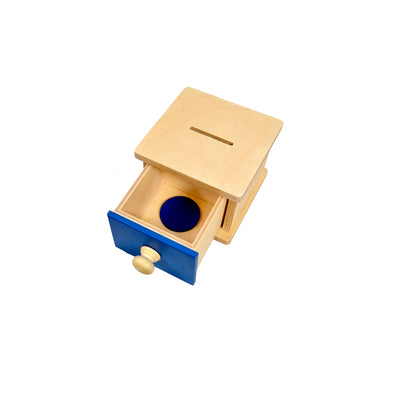
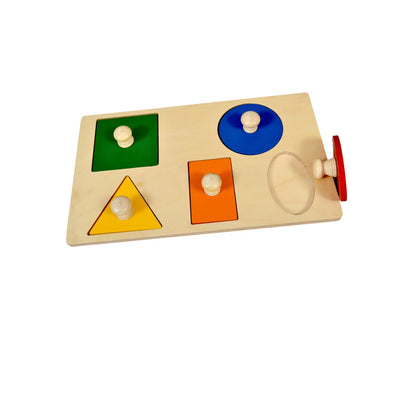
UNICEF emphasizes creating environments that are safe, stimulating, and supportive of a child's exploration. This resonates deeply with the Montessori concept of the “prepared environment”. Imagine a toddler's play space at home: is it cluttered, or is it orderly with materials accessible at their height? Providing a designated, simple area for play, perhaps with a low shelf holding a few engaging Montessori method learning materials like wooden stackers or shape sorters, encourages concentration and independence.
The National Education Policy (NEP) 2020 in India, aligning with global standards like UNICEF's, emphasizes the critical role of ECCE for children aged 3-8, recognizing its impact on lifelong learning. For toddlers, this means embracing play-based learning at home. Instead of rote memorization, engaging in activities like sorting rajma beans or helping with Diwali preparations offers rich, hands-on learning experiences that align with both UNICEF and Indian early learning guidelines.
Empowering Curiosity: UNICEF Child Development Recommendations and Montessori at Home
UNICEF's recommendations highlight the importance of early learning opportunities that are child-initiated and joyful. Maria Montessori, centuries ago, championed this by advocating for self-directed activity. When a toddler is given the freedom to choose an activity from their prepared environment, they develop a profound sense of agency and concentration. This is often seen when a child repeatedly engages with a specific material, mastering it at their own pace.
For instance, Rohan, a three-year-old in a joint family, might spend twenty minutes meticulously placing cylinders into a Montessori block, completely absorbed. This focused engagement, rather than hurried transitions between activities, builds a foundation for lifelong learning. It's a powerful antidote to the societal pressure for early academic performance, demonstrating that deep, self-chosen engagement is far more valuable than forced learning.
The Role of Play and Purposeful Work: Practical Montessori at Home India
Both UNICEF and Montessori philosophies recognize play as the primary vehicle for learning in early childhood. For toddlers, this isn't just unstructured fun; it's purposeful work. Offering practical life activities – tasks that mirror adult activities – is a cornerstone of Montessori at home. Simple chores like wiping spills, dusting low shelves, or helping to set the dinner table empower toddlers and develop their fine motor skills and sense of contribution.
Child development experts agree that these activities, often dismissed as mere “chores,” are crucial for building confidence and coordination. In an Indian home, where shared responsibilities are common, involving a toddler in simple tasks like sorting clothes for laundry or helping prepare ingredients for a family meal provides a natural, culturally resonant way to implement these principles. It also subtly teaches them about family contribution and community.
Applying UNICEF's core principles for Early Childhood Education through a Montessori lens at home is not about rigid adherence, but about adopting a mindset. It's about respecting your child's innate capabilities, fostering their independence, and creating an environment where they feel loved, safe, and free to explore. This approach lays a robust foundation for a child ready to face the world, confident in their abilities and with a natural love for learning.