Cognitive & Language Milestones 0-8: A Montessori Guide
Understanding your child's cognitive and language milestones 0-8 years is a powerful tool for every parent in India. These developmental markers serve as a guide, helping us appreciate the intricate growth unfolding in our little ones. While the internet offers a plethora of information, a Montessori-aligned perspective provides unique insights into nurturing these crucial skills from birth through early primary years.
As parents in bustling Bengaluru or serene rural India, we constantly seek to understand our children better, whether it's their first word or their complex questions about the world. This guide delves into what to expect and how to create an environment that champions intellectual curiosity and robust communication, aligning with the very best of early childhood development.
What are Cognitive and Language Milestones?
Cognitive milestones refer to a child's ability to think, reason, solve problems, and understand the world around them. Language milestones encompass their capacity to comprehend, communicate, and express themselves through words and gestures. Child development experts agree that these two domains are deeply interconnected, each fueling the other's growth from infancy through childhood. This matters immensely because these early achievements form the bedrock for all future learning and social interactions. Indian parents can proactively support these by observing their child's natural interests and providing enriching, age-appropriate experiences.
The Montessori Approach: Nurturing Natural Growth
Dr. Maria Montessori observed that children possess an extraordinary innate drive to learn. Her philosophy champions a 'prepared environment' and 'freedom within limits' — allowing children to explore and discover at their own pace. This approach directly supports both cognitive and language development by providing hands-on, self-correcting materials that engage a child's senses and intellect.
The Montessori method views the child as an active participant in their own learning journey. It is in stark contrast to passive learning, fostering concentration, independence, and a love for learning. This aligns perfectly with the UNICEF recommendation for encouraging free play at home, which is crucial for children to develop problem-solving and communication skills organically.
Early Childhood Development Stages: The Absorbent Mind (0-1 Year)
In the first year, infants are like sponges, absorbing every detail of their environment. Cognitively, they develop object permanence — understanding that things still exist even when unseen. They explore cause and effect, reaching for rattles and observing reactions. Linguistically, this stage sees cooing, babbling, and responding to their name, along with different tones of voice.
Montessori encourages simple, natural materials like mobiles that encourage visual tracking, and rattles that provide auditory feedback. In many Indian homes, the constant chatter of a joint family, the lullabies sung by a dadi, and the naming rituals provide a naturally rich language environment. Research shows that consistent exposure to language, even without direct instruction, significantly boosts a baby's linguistic foundation.
Toddler Speech & Cognitive Growth: Building Independence (1-3 Years)
This period is marked by explosive growth. Cognitively, toddlers master simple problem-solving, engage in imaginative play, and begin to sort and classify objects. Language-wise, they move from single words to two-word phrases, rapidly expanding their vocabulary. A child like 2-year-old Vivaan from Pune might point to a picture of a mango and say "sweet" or "yellow," connecting attributes to objects.
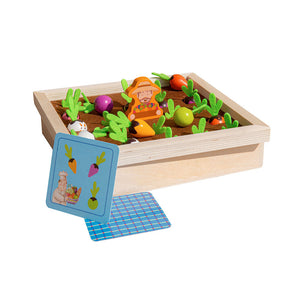
Montessori materials like shape sorters, wooden puzzles, and practical life activities (like pouring water or sweeping) are excellent for this age. These activities refine fine motor skills while boosting cognitive organization. The community engagement in early childhood development, as highlighted by Frontiers in a rural Indian context, reminds us that the rich social fabric of our families — from helping with household chores to interacting with neighbours — provides invaluable opportunities for language and cognitive practice.
Preschool Cognitive & Language Development: Order & Exploration (3-6 Years)
Preschoolers develop more sophisticated cognitive skills, including sequencing, understanding categories, and early mathematical concepts. Their language flourishes with complex sentences, storytelling, and an eagerness to learn letters and sounds. Four-year-old Anika in Delhi might narrate a detailed story about her visit to a temple, weaving in new vocabulary and demonstrating an understanding of sequence.
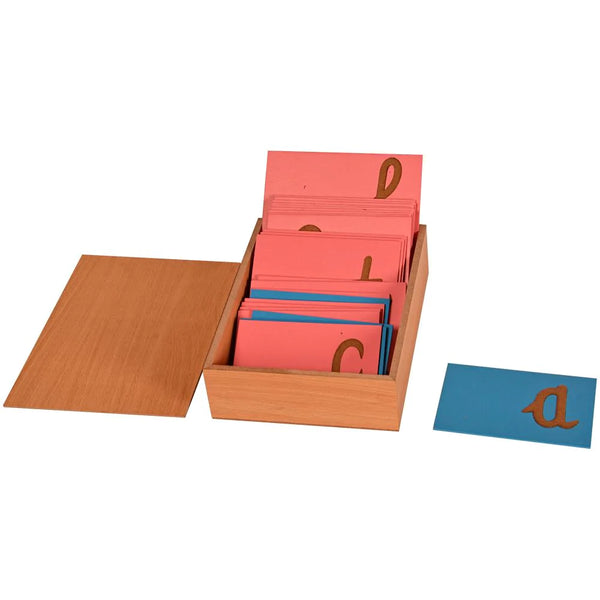
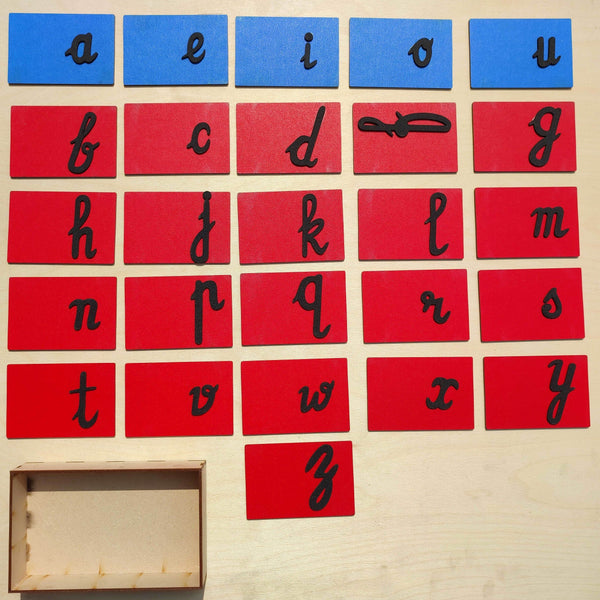
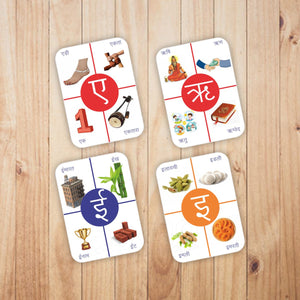
Montessori offers materials like the Pink Tower for understanding dimension, and Sandpaper Letters for tactile learning of phonics. This age also marks an appreciation for rhythm and sound, where children can benefit from exposure to music. The 'Missing Note' article from orfonline.org underscores music's vital role in human-capital development; integrating traditional Indian music or simple rhythmic activities naturally enhances language and cognitive processing in preschoolers.
Child Growth Stages India: Reasoning & Abstraction (6-8 Years)
As children enter the primary years, their cognitive abilities shift towards more abstract thinking, logical reasoning, and problem-solving. Language skills deepen with reading comprehension, creative writing, and the ability to engage in nuanced conversations. They move beyond concrete observations to understanding complex ideas and forming their own opinions, crucial for navigating school pressures in India.
Montessori education at this stage involves 'Great Lessons' that introduce broad scientific and historical concepts, encouraging research and critical thinking. Advanced language work includes grammar studies and creative writing projects. Providing opportunities for children to lead discussions during family dinners or explain a festival's significance helps consolidate their communication and reasoning skills.
Supporting Milestones the Montessori Way at Home
You don't need a full Montessori classroom to apply these principles. Start by observing your child's interests and readiness. Offer simple, purposeful activities that encourage independence. Provide a language-rich environment — talk, read, sing, and tell stories often. Encourage free exploration with open-ended materials from the SkilloToys collection, which allows children to use their imagination and problem-solve creatively.
Embrace the multi-lingual nature of many Indian homes. Studies indicate that children exposed to multiple languages develop stronger cognitive flexibility. When a child learns 'namaste' alongside 'hello', they are not just learning words, but building complex neural pathways. Provide ample opportunities for fine motor development through activities like drawing, threading beads, or kneading dough, all of which strengthen the muscles essential for writing.
Understanding your child's unique pace within these developmental benchmarks, and nurturing their intrinsic drive to learn, empowers them to reach their full potential. By creating a responsive and engaging home environment, Indian parents can lay a robust foundation for lifelong cognitive and linguistic excellence.