Crayola Creative Activities: Montessori Hands-On Art Ideas
Many Indian parents often ask if popular brands like Crayola can genuinely foster a Montessori-aligned creative environment. Absolutely, Crayola creative activities and similar mainstream art supplies are powerful tools for hands-on creativity when approached with intention, as demonstrated by events like Luxor Crayola's recent workshop in Mumbai. This definitive guide confirms that with thoughtful integration, these accessible materials can unlock a child's imaginative potential within the Montessori framework.
Montessori-aligned creativity with mainstream art supplies means adapting common art tools to support a child's natural drive for self-expression and skill development. This approach respects the child's innate curiosity, offering freedom within a carefully prepared environment. This matters immensely because it bridges the gap between readily available resources and the profound benefits of a Montessori education. Indian parents can begin by rethinking how they present and encourage engagement with the art supplies already present in their homes, turning everyday crayons into instruments of discovery.
Bridging Mainstream and Montessori: The Indian Parent's Approach
For many Indian families, especially those in bustling cities like Bengaluru or in joint family setups, mainstream art supplies are a staple. Crayons, sketch pens, and coloured pencils from popular brands are often a child's first introduction to art. Instead of viewing these as non-Montessori, we can adapt them. The key lies in applying Montessori principles: observation, a prepared environment, and respect for the child's individual pace.
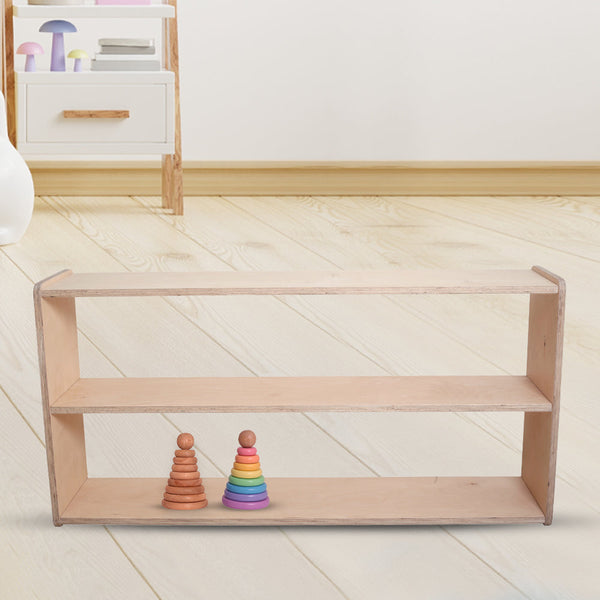
Research shows that children thrive when given purposeful work with appropriate tools. This means presenting art supplies in an organised, accessible way. Think about a small tray with a few crayons, a stack of paper, and a small mat for working. This 'prepared environment' encourages concentration and independent choice, whether a child is drawing a Ganesha during Ganesh Chaturthi or simply experimenting with colours.
Fostering Hands-On Creativity for Kids: Everyday Art Explorations
Hands-on creativity for kids flourishes when they are given the freedom to explore textures, colours, and forms without strict adult direction. For instance, instead of asking a child to draw a specific picture, offer crayons and paper and let them express themselves freely. The satisfying glide of a crayon across paper, the vibrant colours emerging under their hand – these are sensory experiences that build foundational skills.
Consider using dough or clay from mainstream brands for tactile exploration. This activity strengthens hand muscles crucial for writing, develops fine motor skills, and allows for imaginative sculpting, perhaps recreating miniature diyas for Diwali. These open-ended experiences, much like engaging with our activity kits, encourage problem-solving and self-correction, which are cornerstones of Montessori learning.
Montessori Art Ideas for Home: Inspiring Independent Expression
Montessori art ideas for home life don't require elaborate setups. Simple activities can spark profound engagement. For a 3-year-old like Aarya in a Bangalore joint family, offering a small set of watercolour paints (even mainstream ones) with a single brush and a small bowl of water allows her to explore colour blending independently. The focus is on the process: dipping the brush, mixing colours, seeing the flow, and cleaning up.
This kind of self-directed art also aids emotional expression, a point highlighted by The Times of India's recent article on creative activities helping children open up emotionally. Children often communicate through art what they cannot yet articulate with words. Offering them a safe, judgment-free space with accessible tools empowers them to process their feelings, whether they are drawing their grandparents or the family pet.
Choosing Art Supplies for Kids in India: Beyond the Brand Name
When selecting art supplies for kids in India, the emphasis should always be on safety, quality, and versatility, rather than brand exclusivity. Ensure that crayons, paints, and markers are non-toxic and washable – a practical consideration for any parent in a busy Indian household. Look for materials that encourage open-ended play and can be used in multiple ways, fostering resourcefulness.
Child development experts agree that the best art materials are those that allow for maximum child agency. A simple set of plain paper and good quality pencils, for instance, offers more creative potential than a complex colouring book. These materials encourage the child to use their imagination fully, much like the way children engage with Montessori puzzles, where the challenge and solution come from within.
Integrating mainstream art supplies into a Montessori home is not about compromising principles, but about enriching possibilities. By providing a prepared environment, respecting the child's creative process, and offering accessible tools, Indian parents can foster deep, hands-on creativity that supports holistic development. Start today by inviting your child to explore the wonders of colour and form with the art supplies already at hand, observing their unique journey of discovery.