Telugu Letters with Pictures: A Montessori Approach (0-8)
Empowering children to connect with their cultural roots while fostering robust cognitive skills is a priority for Indian parents. Research shows that engaging with telugu letters with pictures through a Montessori lens provides a powerful foundation for early literacy, directly enhancing cognitive and language development from birth to eight years. This approach, rooted in scientific observation, cultivates a love for learning and strengthens a child's linguistic identity.
Maria Montessori's philosophy, celebrated globally, offers a unique pathway to regional language acquisition. This method is especially vital in India, where preserving mother tongues like Telugu is paramount for a child's holistic growth and connection to their heritage. We believe every child deserves the opportunity to thrive in their native linguistic environment.
What is Montessori Language Learning for Telugu Letters?
Montessori language learning for Telugu letters is a multi-sensory, child-led approach that introduces the Telugu alphabet through visual, auditory, and tactile experiences. This method matters because it aligns with a child's natural developmental stages, allowing them to absorb language with ease and enjoyment. Indian parents can integrate this by providing specific, engaging Montessori materials that make learning Telugu letters an exciting exploration, not a chore.
Why Mother Tongue Matters: The Cognitive Advantage for Telugu Learners
The decision to prioritize mother-tongue education for Indian children, especially learning Telugu letters, carries significant cognitive benefits. UNICEF strongly advocates that children learn best when they are taught in their mother tongue, which facilitates deeper understanding, critical thinking, and stronger academic performance across all subjects. This principle is not just cultural; it's deeply scientific.
A recent study on structured early childhood education exposure and childhood cognition, published in Nature, provides compelling evidence from an Indian birth cohort. It indicates that early, quality educational experiences, including mother-tongue instruction, positively impact a child's cognitive abilities, laying robust foundations for future learning. For a child growing up in Bengaluru or Hyderabad, mastering Telugu letters is not just about language; it's about building neural pathways and cultural confidence.
Beyond Rote: How Montessori Teaches Telugu Letters with Pictures
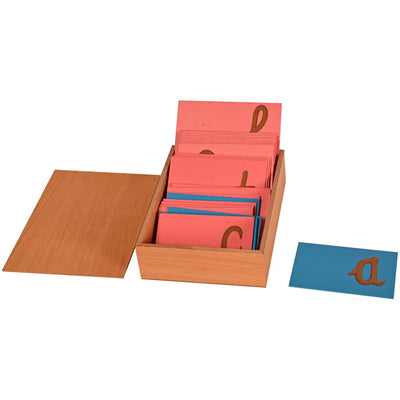
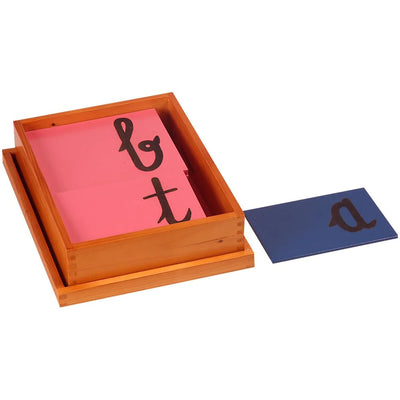
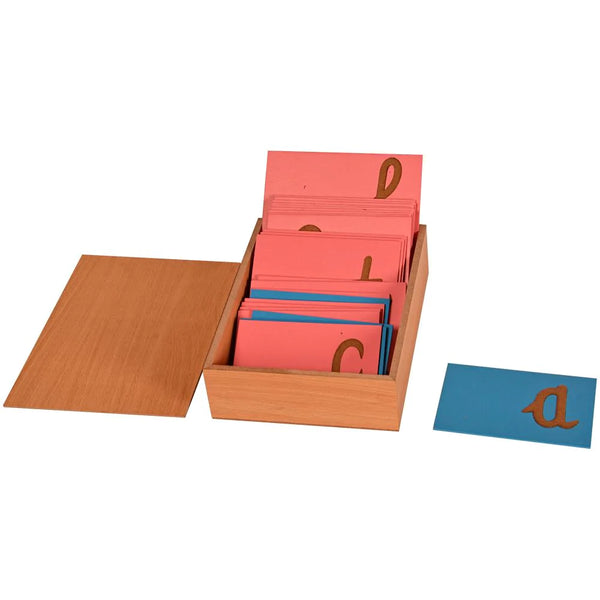
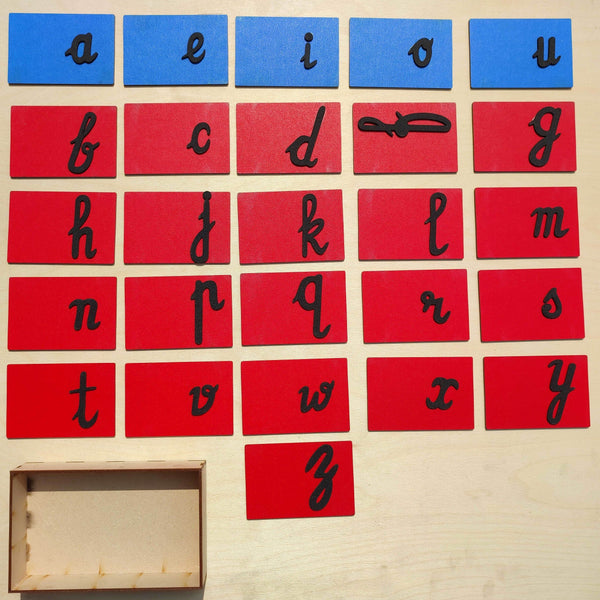
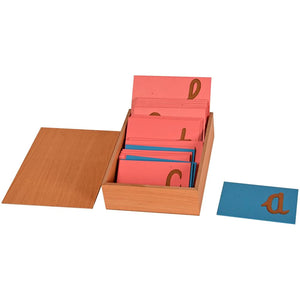
The Montessori method moves beyond rote memorization by engaging a child's senses. When learning telugu letters with pictures, children interact with concrete materials that represent abstract concepts. For instance, sandpaper letters allow a child to trace the form of a Telugu vowel or consonant, internalizing its shape through touch. This tactile experience, combined with seeing the letter and hearing its sound, creates powerful neural connections.
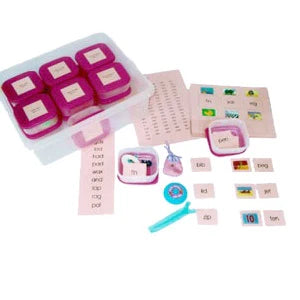
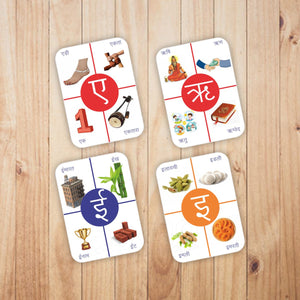
This multi-sensory engagement is key to how to teach telugu letters to kids effectively. SkilloToys offers a range of Montessori learning materials that support this approach, from tracing boards to puzzles that introduce letters in a meaningful context. For example, a child might connect the 'అ' sound with a picture of 'అమ్మ' (mother), creating an immediate, culturally resonant association rather than just memorizing a symbol.
Age-Specific Approaches to Learning Telugu Letters (0-8 Years)
Learning Telugu is a journey, not a sprint, and the Montessori approach respects each developmental stage:
-
0-24 Months: Sensory Exploration & Pre-Language
Even before they speak, infants absorb language like sponges. Parents can introduce Telugu sounds through lullabies, conversations, and naming objects in Telugu. Pointing to telugu letters with pictures in books and articulating the sounds clearly helps build foundational auditory recognition. -
2-4 Years: Tactile & Auditory Foundation
This is the prime age for introducing materials like wooden puzzles of Telugu letters and Sandpaper Letters. A three-year-old in a joint family might delight in tracing the curves of 'ఆ' (Aa) with their finger, while their grandparent says the sound aloud. This engagement of multiple senses cements recognition. -
4-6 Years: Phonetic Awareness & Building Words
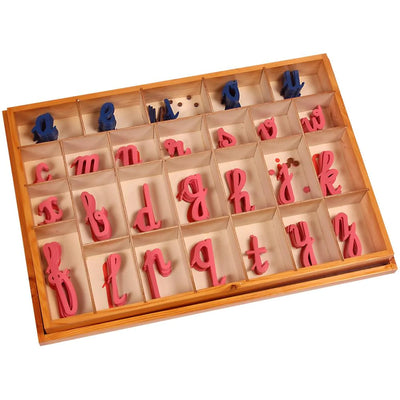
Children at this stage are ready for the Movable Alphabet. They can start forming simple Telugu words phonetically, even before they can write them perfectly. This empowers them to construct language, building confidence in their telugu language learning for children journey. Short story cards with single words or simple sentences can also be introduced. -
6-8 Years: Reading & Writing Fluency
As children enter primary school, Montessori continues to support their Telugu literacy. They transition to reading short stories, journaling in Telugu, and exploring grammar. The solid foundation built in earlier years makes this transition smoother, allowing them to embrace complex literary concepts.
Integrating Telugu Learning into Daily Indian Life
For an Indian child, regional language development through Montessori is not confined to a specific lesson time; it's woven into the fabric of daily life. Grandparents often play a pivotal role, sharing traditional Telugu stories, reciting poems, or singing folk songs. This rich oral tradition naturally complements Montessori's structured materials.
Consider the role of music, a fundamental aspect of Indian culture. As highlighted by the ongoing debate on why music belongs in India's human-capital discussion, integrating Telugu songs and traditional 'bhajans' can significantly aid language acquisition. The rhythm and melody help children memorize sounds and vocabulary, making telugu language learning for children an enjoyable, communal experience during festivals or family gatherings.
Empowering Parents: Building a Telugu-Rich Home Environment
Creating an environment conducive to regional language development, especially the montessori telugu alphabet, is simpler than many parents imagine. Start by labeling common household objects in Telugu. Encourage conversations in Telugu during meal times. Reading Telugu storybooks together, even for just ten minutes a day, makes a profound difference.
Child development experts agree that a consistent and supportive home environment is the single most important factor in early language acquisition. This consistent exposure, combined with the hands-on, self-directed learning of Montessori materials, ensures that children not only learn Telugu letters but also develop a deep appreciation for their linguistic heritage. This approach empowers them to confidently navigate their multilingual world, grounded in the strength of their mother tongue.