Community Early Childhood Development India: Building Minds
Community early childhood development India programs significantly enhance children's cognitive and language skills by fostering rich social interactions and providing diverse learning stimuli, empowering parents as active participants. Drawing lessons from successful rural interventions, these collective efforts create an environment where children (0-8 years) develop robust communication abilities, critical thinking, and problem-solving, translating into stronger academic and social-emotional foundations.
Recent research in 'Frontiers' highlights the profound impact of community engagement in early childhood development intervention trials, particularly from a stepping stones program in rural India. This study underscores a truth Indian families have known instinctively for generations: raising a child is a collective endeavour. Whether it's the dadi narrating folklore during festivals or neighbours' children playing together in the gully, our cultural fabric naturally weaves in elements of community learning. For parents in Bengaluru and across India, understanding these lessons offers a powerful way to enrich your child's developmental journey.
Community early childhood development involves collective efforts within a local setting to support the holistic growth of children from birth to age eight. This matters because it provides a nurturing ecosystem beyond the immediate family, offering broader social and educational resources. Indian parents can actively seek or create such supportive networks, enhancing their child's early learning journey.
Early Childhood Education Rural India: Learning from the Ground Up
Studies indicate that children participating in well-structured early childhood education rural India programs show significant gains in vocabulary and cognitive flexibility compared to their peers. These programs often leverage local resources and traditional storytelling, creating a culturally relevant and immersive learning environment. For instance, a child hearing stories in their mother tongue from various community members builds a robust linguistic foundation, far richer than isolated learning.
This community-centric approach naturally complements Montessori principles, where children learn through self-directed activity, hands-on learning, and collaborative play within a prepared environment. Imagine a small group of children, guided by a community elder, engaged in practical life activities like preparing snacks or tending a small garden. Such experiences foster not just fine motor skills but also sequencing, patience, and communication.
Parental Engagement Early Childhood: The Unsung Hero
Research consistently shows that parental engagement early childhood is a critical predictor of a child's academic success and overall well-being. The 'Frontiers' study specifically pointed to how involving parents in intervention trials led to better outcomes. In the Indian context, this often means leveraging the existing support systems of joint families or close-knit neighbourhoods. When grandparents share traditional rhymes or help children with simple sorting activities, they are contributing immensely.
Parents can actively seek opportunities for their child to interact with a diverse group of adults and children. This could be through local library story times, community parks, or even organized playgroups. Encouraging children to describe their experiences or participate in household chores alongside elders helps expand their vocabulary and understanding of social roles.
Montessori Community Programs: Bridging Tradition and Modern Pedagogy
While traditional Montessori classrooms offer a structured community, the concept extends to how parents build a "Montessori-inspired community" around their child at home and locally. Montessori community programs encourage children to learn from peers and adults, respecting individual pace while fostering social skills. This collaborative spirit is vital for developing empathy and problem-solving.
Consider setting up a dedicated "work shelf" at home with Montessori-aligned materials like puzzles or practical life tools. When cousins visit, or a small playgroup gathers, observe how children naturally collaborate, imitate, and teach each other. This natural exchange strengthens cognitive pathways and language use far more effectively than isolated instruction. Maria Montessori herself observed the powerful "absorbent mind" of children, capable of soaking up lessons from their environment and peers.
Cognitive Development Activities India: Everyday Learning
India's vibrant culture offers countless opportunities for cognitive development activities. From identifying vegetables at the local market to helping sort grains with a grandparent, these everyday tasks become rich learning experiences. Engaging children in describing what they see, hear, and feel during a temple visit or a festival celebration boosts observational skills and expands vocabulary.
For a child aged 4-6, activities like identifying patterns in rangoli designs or counting objects during puja preparations are invaluable. These are not formal lessons but deeply embedded cultural practices that naturally stimulate cognitive growth. Child development experts agree that a diverse range of sensory experiences, combined with meaningful social interaction, forms the bedrock of strong cognitive skills.
Language Development Strategies India: More Than Words
Effective language development strategies India involve more than just learning English or Hindi; they embrace multilingualism and the nuances of cultural communication. The orfonline.org article on music in India's human-capital debate indirectly highlights the importance of rich auditory experiences, which are crucial for language acquisition. Singing traditional lullabies (loris) or bhajans not only introduces new vocabulary but also develops phonological awareness and rhythm, key pre-reading skills.
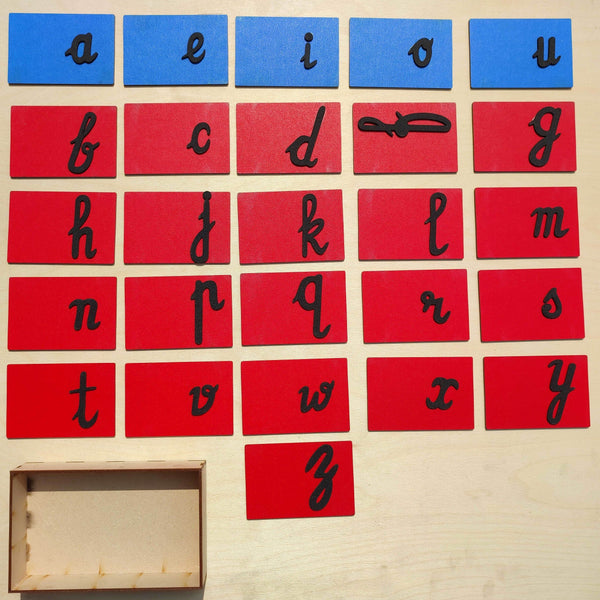
Encourage children (even toddlers aged 18-24 months) to articulate their needs and observations, rather than just pointing. When a child describes a specific Montessori educational toy, like the red rods or sandpaper letters, they are not just naming it but building a mental representation that strengthens their understanding. Asking open-ended questions like "What did you see at the park today?" or "How did that make you feel?" prompts more complex sentence structures and deeper thought.
The UNICEF perspective on "free play" is particularly relevant here. When children engage in unstructured play within a supportive community, they invent games, negotiate rules, and solve conflicts – all intensely language-rich and cognitively demanding activities. A group of children playing "ghar ghar" (house) will naturally assign roles, create dialogues, and navigate social dynamics, enhancing both their linguistic and social-emotional intelligence.
Building Your Child's Community Ecosystem
The lessons from India's community early childhood development programs are clear: collective engagement significantly enriches a child's learning. Parents can actively cultivate a supportive ecosystem by fostering relationships with neighbours, family members, and local learning groups. This doesn't require a formal program; it can be as simple as regular playdates with friends, involving grandparents in daily learning, or exploring local community events that offer rich, interactive experiences for children.
By integrating the strengths of India's communal spirit with the evidence-backed insights from ECD interventions and Montessori principles, you empower your child with a robust foundation for lifelong learning. It's about creating an environment where curiosity thrives, language flourishes, and cognitive skills are honed through the warmth and wisdom of the community.