Homeschooling Curriculum India: Montessori for Cognitive & Language (0-8)
Developing an effective homeschooling curriculum in India for children aged 0-8, especially focusing on cognitive and language skills, can be profoundly enriched by integrating Montessori principles. This approach fosters independence and a love for learning by allowing children to explore a meticulously prepared environment, directly supporting their natural developmental stages. For Indian parents navigating the evolving educational landscape, Montessori offers a powerful framework for nurturing holistic growth.
Montessori homeschooling involves creating a child-centric learning environment at home, guided by principles of self-directed activity, hands-on learning, and collaborative play. This matters because it respects the child's innate drive to learn, fostering deeper cognitive connections and sophisticated language acquisition. Indian parents can implement this by adapting readily available spaces and materials, making education an organic part of daily life.
Montessori Homeschooling India: Embracing the Prepared Environment
The cornerstone of successful Montessori homeschooling in India is the 'prepared environment' – a space designed to invite exploration and facilitate independence. Research shows that a thoughtfully arranged space empowers children to choose their activities, develop concentration, and self-correct. For urban Indian homes, often compact or part of a joint family, this means being intentional with existing spaces.
Instead of a dedicated classroom, consider a designated 'work area' in the living room or a quiet corner where materials are accessible, organised, and appealing. Rotating materials regularly keeps interest alive without clutter. This approach also integrates beautifully into the rhythm of Indian family life, where children observe and participate in daily chores, naturally learning practical life skills that are central to Montessori philosophy.
Fostering Homeschool Cognitive Development (0-8)
Cognitive development, particularly in the 0-8 age range, flourishes when children engage with their environment meaningfully. Maria Montessori observed that children learn best through concrete experiences before moving to abstract concepts. For infants (0-18 months), this means offering simple, safe objects for grasping, mouthing, and exploring textures, supporting sensory integration and early problem-solving. As toddlers (18-36 months) grow, introduce object permanence toys and simple puzzles to build logical thinking.
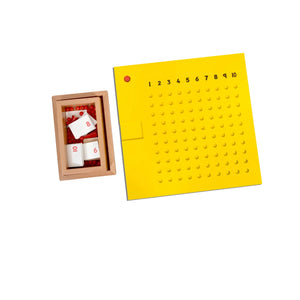
For children aged 3-6 years, materials like the Pink Tower, Brown Stair, and Cylinder Blocks refine discrimination of size, dimension, and weight, laying foundational mathematical concepts. Engaging with these self-correcting materials allows a child like 3-year-old Aarya in a Bengaluru joint family to discover patterns and relationships independently. Such purposeful play cultivates focus and a deeper understanding that rote memorisation cannot achieve. You can explore a wide range of Montessori method learning materials that cater to these specific developmental needs.
Nurturing Language Development Homeschooling in an Indian Context
Language is a living thing, deeply intertwined with culture and environment. Language development homeschooling in India has the unique opportunity to embrace multilingualism. For infants and toddlers, constant, rich verbal interaction is paramount. Narrate your actions, describe objects, and engage in conversations, even before they can respond in full sentences. Child development experts agree that a diverse vocabulary is built through immersion and repeated exposure to correctly modelled language.
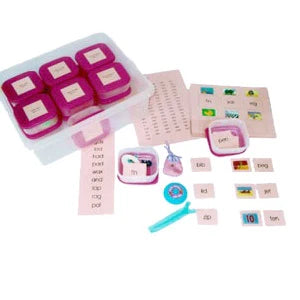
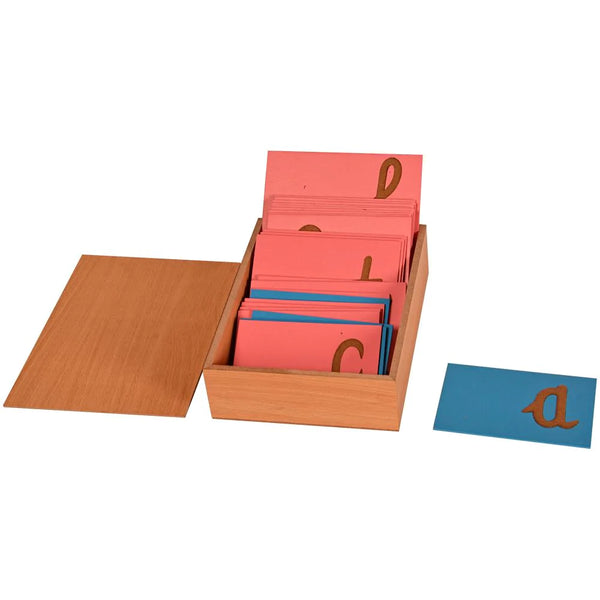
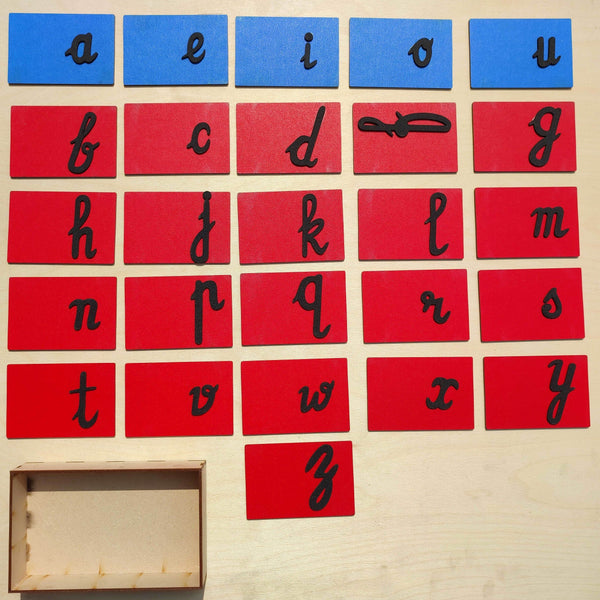
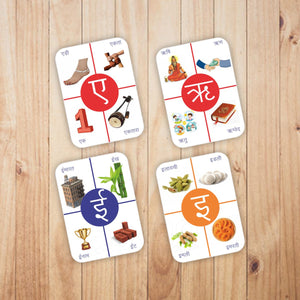
Between 2-4 years, the 'language explosion' occurs. This is the ideal time to introduce phonetic sounds with Sandpaper Letters and encourage early word formation with Movable Alphabets. Beyond specific materials, leverage traditional Indian storytelling (Dadi's tales!) to enrich vocabulary, comprehension, and cultural context. Research indicates that such narrative exposure significantly boosts pre-reading skills and imaginative expression. Incorporating music and rhythmic activities, as highlighted by 'The Missing Note' debate, also enhances auditory discrimination, a critical precursor for nuanced language acquisition.
Montessori at Home India: Balancing Formal and Free Play
A common concern for parents, especially in India, is ensuring children are 'learning' constantly. However, a core Montessori principle, reinforced by UNICEF's advocacy for free play, is that unstructured play is crucial for cognitive and language development. When a child engages in free play, they are experimenting, problem-solving, creating narratives, and using language spontaneously to describe their world. This spontaneous, child-led activity builds stronger neural connections than passive instruction.
For example, a child building a castle with wooden blocks is not just stacking; they are engaging in spatial reasoning, planning, and potentially narrating a story about their creation. This freedom, coupled with purposeful materials, empowers the child to drive their own learning journey. Encourage open-ended activities and offer materials like puzzles and building sets that spark imagination and invite diverse solutions.
Practical Integration: Adapting Montessori for Your Indian Home
Integrating Montessori into your home environment is less about replicating a classroom and more about adopting a philosophy. Start small: choose one area to prepare, focusing on practical life activities like pouring water or dressing frames. Involve your child in daily chores, allowing them to gain a sense of contribution and develop fine motor skills essential for writing.
Cultivate an attitude of observation. Watch your child's interests and energy, then provide materials that align with their current developmental stage and sensitive periods. This respectful, child-led approach reduces pressure on parents and fosters a genuine love for learning. Remember, the goal is not to teach them facts, but to teach them how to learn for themselves, fostering the intellectual curiosity and self-discipline that will serve them throughout their lives in India's competitive educational landscape.