Creative Workshops for Kids: Boost Hands-On Imagination
Creative workshops for kids significantly boost hands-on imagination by immersing children in rich, prepared environments with diverse materials, fostering peer collaboration, and encouraging child-led exploration. This approach directly supports Montessori's philosophy, where children learn by doing and freely expressing their inner worlds through concrete experiences, offering a powerful antidote to passive screen time. As news from Luxor Crayola and Funskool highlights a renewed focus on hands-on creativity in India, discerning parents are increasingly seeking structured external opportunities to nurture their child's imaginative growth beyond the home.
Creative workshops for kids are structured environments designed to stimulate a child's imagination and self-expression through hands-on activities like art, craft, and building. They provide a diverse range of materials and expert guidance, offering Indian children a unique opportunity to explore freely and develop crucial cognitive and motor skills outside the typical classroom or home setting. This matters because active engagement, not passive consumption, is the bedrock of true learning and development. Indian parents can actively seek out such workshops to provide their children with invaluable experiences that foster intrinsic creativity.
Hands-On Creativity Events: A Montessori Advantage
Child development experts, including those at the Harvard Center on the Developing Child, emphasize that robust imaginative play in early childhood builds critical executive function skills like problem-solving, planning, and self-regulation. Montessori education, championed by Dr. Maria Montessori, inherently understands this, advocating for a “prepared environment” where children are free to choose activities and learn through direct experience. Creative workshops, when designed thoughtfully, embody this principle by offering a rich tapestry of materials — from squishy clay and vibrant paints to various textures and construction components — that invite exploration.
Unlike the often limited supplies at home, or the passive engagement with screens that the Deccan Chronicle cautions against, workshops present a novel world. Imagine Rohan, a 4-year-old from a Chennai apartment, whose primary art supplies might be crayons and paper. A workshop introduces him to papier-mâché, natural dyes, or sculpting tools, allowing him to push the boundaries of his creative expression in ways previously inaccessible. This exposure to diverse materials and techniques directly fuels new ideas and strengthens neural pathways associated with creative thought.
Kids Art Workshops: More Than Just Crafting
Many parents view kids art workshops merely as a chance to create a pretty souvenir. However, their true value lies in the process, not just the product. Research consistently demonstrates that children engaged in hands-on creative tasks show improved problem-solving abilities and higher self-esteem compared to those with primarily passive activities. A 2014 study published in the journal 'Early Childhood Research Quarterly' highlighted that children's engagement with art materials correlated with better self-regulation skills.
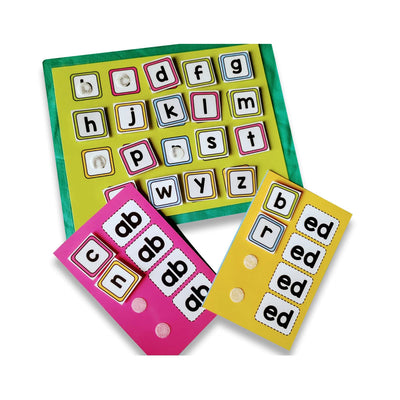
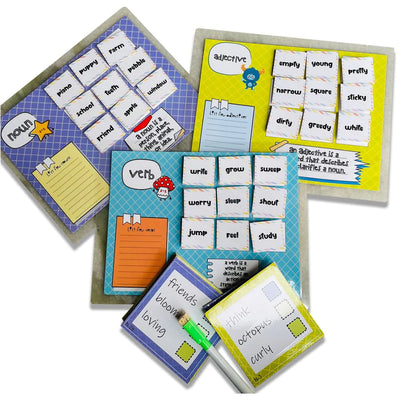
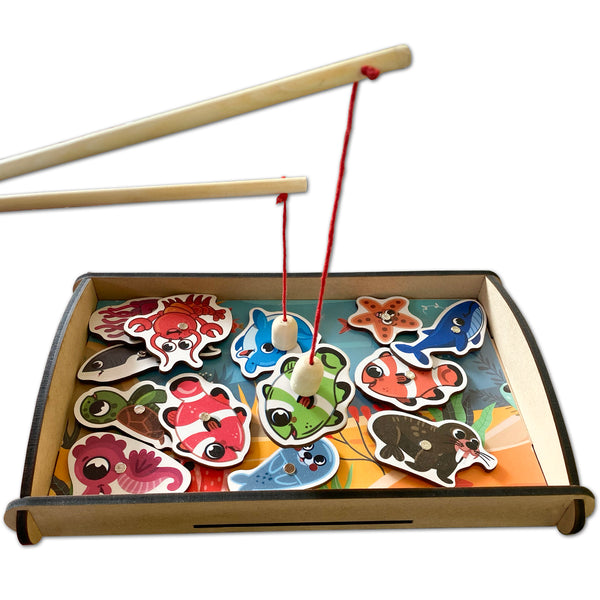
These workshops allow children to experiment, make mistakes, and find their own solutions — skills crucial for academic and life success. For example, a group creating a collective mural learns about spatial reasoning, collaboration, and how different ideas can harmoniously blend. Such workshops often provide varied activity kits that encourage this process-oriented learning, nurturing emotional expression, a point emphasized by The Times of India on activities that help children open up emotionally. The focus is on the joyful journey of creation, not just the perfectly painted picture.
Imagination Boosting Activities Outside Home: What to Look For
Choosing the right creative workshop requires a discerning eye, especially in a bustling city like Bengaluru. Look for programs that emphasize child-led exploration and open-ended activities rather than highly structured, “copy-the-teacher” projects. A low child-to-facilitator ratio ensures personalized attention, and facilitators who act as guides rather than instructors align with the Montessori philosophy of supporting a child's innate curiosity.
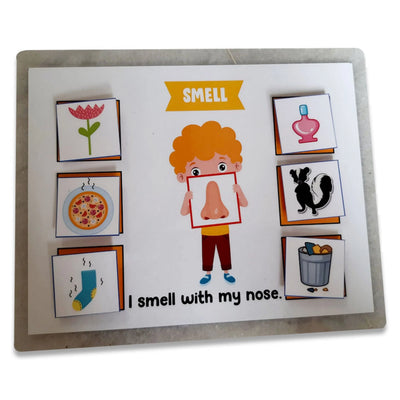
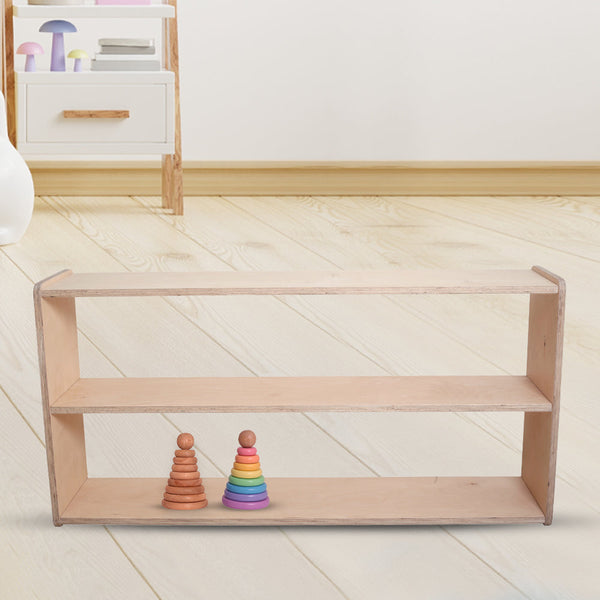
Consider the types of materials offered — natural, diverse, and stimulating. Are they easily accessible and presented invitingly, much like a Montessori “work” on a shelf? For parents navigating busy schedules and smaller living spaces, these external opportunities become invaluable, providing a dedicated creative zone that might be hard to carve out at home, especially with grandparents and other family members sharing space.
The Role of Peer Interaction and Mentorship
Workshops are unique because they place children in a community of peers with a shared purpose. Observing how another child approaches a problem, sharing ideas, or collaborating on a group project develops crucial social skills that extend beyond the family unit. The gentle guidance from a trained facilitator also differs from parental instruction; it’s often less emotionally charged and more focused on encouraging independent discovery.
Children learn to respect others’ creative processes and gain confidence in their own abilities by seeing a diverse range of outcomes. Even simple puzzles in a group setting can spark collaborative problem-solving, laying groundwork for more complex creative tasks. This collective exploration fosters a sense of belonging and expands a child's perspective.
Balancing Structure and Freedom in Creative Play
The beauty of a well-designed creative workshop lies in its paradox: it offers a structured environment that simultaneously provides immense freedom. The “structure” is in the prepared space, the available materials, and the gentle presence of a guide. The “freedom” is in the child’s choice of activity, pace, and creative direction. This “freedom within limits” is a cornerstone of Montessori education, allowing children to develop self-discipline and focus while nurturing their imagination.
A workshop isn't about telling a child “what to create,” but “here are wonderful tools; what will you imagine today?” This approach respects the child as an individual capable of self-direction, empowering them to truly own their creative journey and feel the pride of original accomplishment.
Bringing Montessori Creative Experiences Home After Workshops
The insights gained from creative workshops aren't meant to stay confined to the event space. Parents can extend and reinforce these imaginative leaps by fostering a similar environment at home. Provide open-ended materials like plain paper, safe paints, clay, or recycled items. Create a dedicated “art corner” — even a small one in a flat — where children have easy access to their creative tools. Encourage them to revisit ideas from the workshop or explore new ones.
Observe your child’s interests and follow their lead, just as a Montessori educator would. SkilloToys offers a wide range of authentic Montessori materials that complement this approach, providing high-quality, purposeful items that encourage focused, imaginative play. The goal is to cultivate an ongoing appreciation for the creative process and the joy of discovery.
In a world where children often face intense academic pressure from a young age, especially in India, creative workshops offer a vital space for balance and holistic development. They are not merely extracurricular activities but powerful catalysts for building hands-on imagination, critical thinking, and emotional resilience. By thoughtfully choosing such experiences, parents can equip their children to become innovative, adaptable thinkers — ready to shape their own vibrant future.