Educational Toys for Creativity: A Parent's Guide
Choosing the right educational toys for creativity is a pivotal step for Indian parents aiming to nurture innovative thinkers and imaginative spirits in their children. The key lies in selecting toys that act as catalysts for invention, encouraging a child to construct their own stories, roles, and worlds rather than dictating the play experience. Such purposeful choices empower children to develop critical thinking, problem-solving abilities, and emotional resilience through self-directed exploration.
Imaginative play is the spontaneous act of children creating scenarios, roles, and narratives, often using toys or everyday objects as props. This matters because it's foundational for cognitive development, social skills, and emotional regulation. Indian parents can foster this by providing a rich environment that invites open-ended exploration and storytelling.
The Power of Open-Ended Play: Igniting the Inner Architect
Child development experts agree that the most profound imaginative growth stems from toys that lack a single purpose. Unlike prescriptive toys that offer one way to play, open-ended materials invite endless possibilities, transforming a simple block into a phone, a car, or even a festival float. This flexibility is what truly cultivates a child's ability to think abstractly and creatively.
Research shows that children who engage with open-ended toys develop stronger executive function skills, including planning and flexible thinking. When a child, like three-year-old Anya in her Mumbai apartment, uses wooden blocks to build a towering structure, she's not just stacking; she's envisioning, problem-solving, and adapting her design based on stability and aesthetics. These are the crucial problem-solving muscles she'll use throughout her life, from school projects to navigating complex social situations.
Montessori Toys for Imagination: Freedom Within Structure
Maria Montessori's philosophy, deeply rooted in observing the child, offers profound insights into choosing Montessori toys for imagination. Montessori materials, while seemingly structured, are designed to be self-correcting and encourage focused, child-led activity. A child exploring a Montessori Pink Tower isn't just learning size; they're internalizing concepts of order and sequence, which then become tools for their imaginative constructs.
The emphasis on natural materials like wood, metal, and fabric in Montessori toys also appeals to a child's senses, enriching their imaginative world with tactile experiences. When a child plays with a wooden puzzle, the feel, weight, and sound of the pieces contribute to a richer sensory experience, feeding their internal imagery far more effectively than a screen might. This aligns with the recent news of Funskool bringing Hello Kitty to India; while branded toys can be fun, their potential for creativity often depends on how open-ended they truly are, rather than just brand recognition.
How to Choose Educational Toys: Qualities That Spark Genius
When considering how to choose educational toys for maximum creative impact, look for specific qualities. Toys that are versatile, durable, and invite multiple children to play simultaneously are invaluable. Consider sets of simple wooden blocks, building planks, or even a diverse collection of loose parts like stones, fabric scraps, and shells.
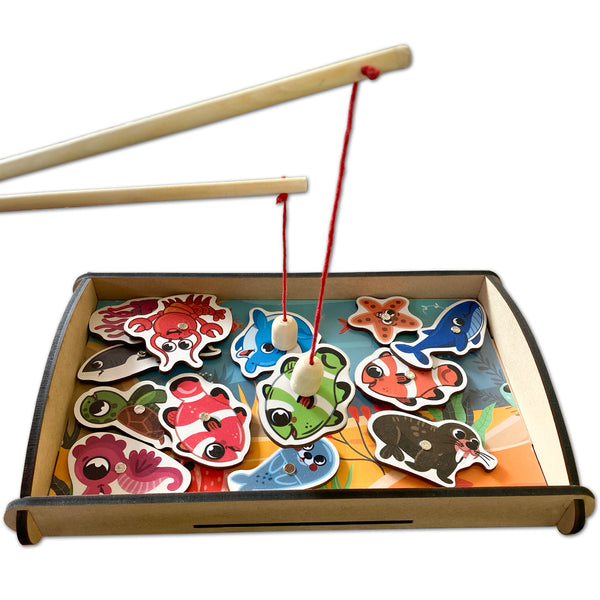
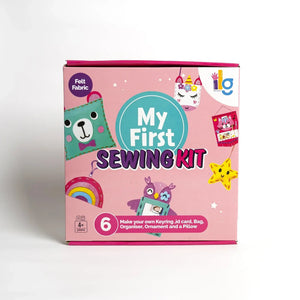
Another excellent choice are creative activity kits that provide materials for crafting, drawing, or sculpting without overly prescriptive instructions. These kits encourage children to express their unique vision, whether they're creating a miniature diorama of a village or designing patterns for Diwali rangolis. Similarly, well-designed puzzles, especially those that tell a story or represent real-world scenes, can inspire narrative play once completed.
Imaginative Play Toys: Beyond the Playroom Walls
The true magic of imaginative play toys is their ability to transport children to different worlds, regardless of their physical surroundings. For Indian families, where joint families are common and space might be compact, choosing toys that are easily stored or multi-functional is key. A play kitchen can transform into a doctor's clinic, and dolls can become characters in an elaborate wedding procession.
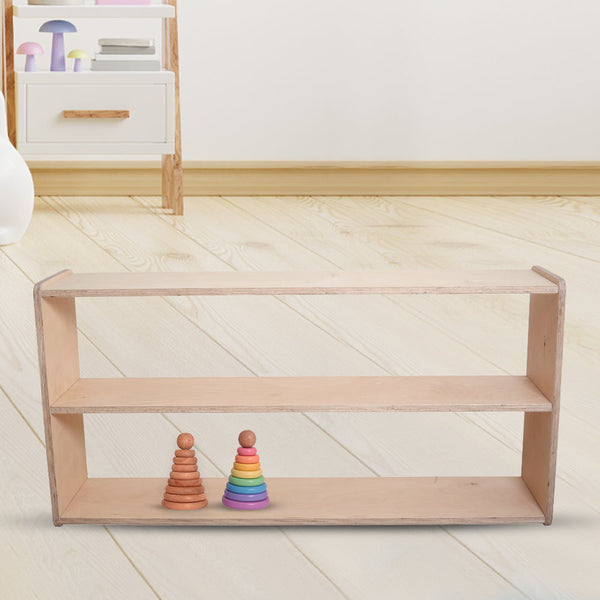
The recent focus on 'kids room design ideas that cleverly combine play, study and storage' in Architectural Digest India highlights the importance of creating dedicated, flexible zones for play. Even a simple corner with a mat and a basket of versatile toys can become a vibrant stage for endless imaginative adventures. These setups not only make play accessible but also provide a sense of ownership and autonomy for the child.
The Unseen Benefits of Creative Educational Toys
The benefits of creative educational toys extend far beyond mere entertainment. Children engaged in imaginative play are actively developing language skills as they narrate stories, social-emotional intelligence as they role-play different emotions, and problem-solving skills as they navigate their self-created challenges. For instance, when a child pretends to be a shopkeeper at the local kirana store, they're practicing negotiation, basic math, and social interaction.
A non-obvious insight here is that the real magic of educational toys for creativity isn't in what they *do*, but in what they *don't do*. They leave deliberate gaps, requiring the child's mind to fill in the details, to create stories, roles, and entire worlds from simple elements. This contrasts sharply with many modern toys that are designed to do all the imagining for the child. Much like traditional Indian storytelling, where a simple narrative sparks vivid mental imagery, these open-ended toys empower the child to be the true storyteller and director of their play.
In a world where children are often overscheduled and exposed to constant digital stimulation, providing opportunities for self-directed, imaginative play is more crucial than ever. It's about giving them the space and tools to think, dream, and innovate, preparing them not just for school, but for a lifetime of creative engagement.
- Open-ended toys are superior for fostering creativity and imagination in children.
- Montessori principles emphasize child-led exploration with natural, simple materials.
- Imaginative play builds essential cognitive, emotional, and social skills for life.
- The best creative toys leave ample room for a child's own storytelling and invention.
- Integrating play with cultural context, like Indian festivals, enhances imaginative depth.
- Simple, multi-purpose toys often offer more creative potential than complex, single-function ones.
What defines an educational toy for creativity?
An educational toy for creativity is typically open-ended, allowing for multiple uses and interpretations by the child. It doesn't have a single correct way to play, encouraging imaginative scenarios, problem-solving, and self-expression rather than rote learning or following instructions.
How do Montessori toys specifically support imagination?
Montessori toys foster imagination by providing realistic, tactile, and often natural materials that allow children to explore concepts concretely and then internalize them. This foundation in reality empowers children to build rich, believable imaginary worlds, promoting deep, focused imaginative play.
Are electronic gadgets good for imaginative play?
While some educational apps can offer creative prompts, most electronic gadgets are designed with predefined outcomes, limiting a child's independent imaginative input. Research consistently shows that physical, open-ended toys better stimulate the brain areas responsible for creative problem-solving and deep imaginative engagement.
How can I encourage imaginative play in a small Indian home?
Even in smaller spaces, designate a flexible 'play zone' using rugs or collapsible storage. Prioritize multi-functional toys like blocks or simple art supplies, and leverage everyday items for pretend play. Involve family members, especially grandparents, in storytelling to spark imagination without needing many physical toys.
At what age should I start focusing on creativity-boosting toys?
Focusing on creativity-boosting toys can begin from infancy. Even simple rattles and soft blocks for babies encourage exploration and sensory imagination. As children grow, the complexity of open-ended toys can increase, supporting their developing cognitive and social skills from early toddlerhood through school age.